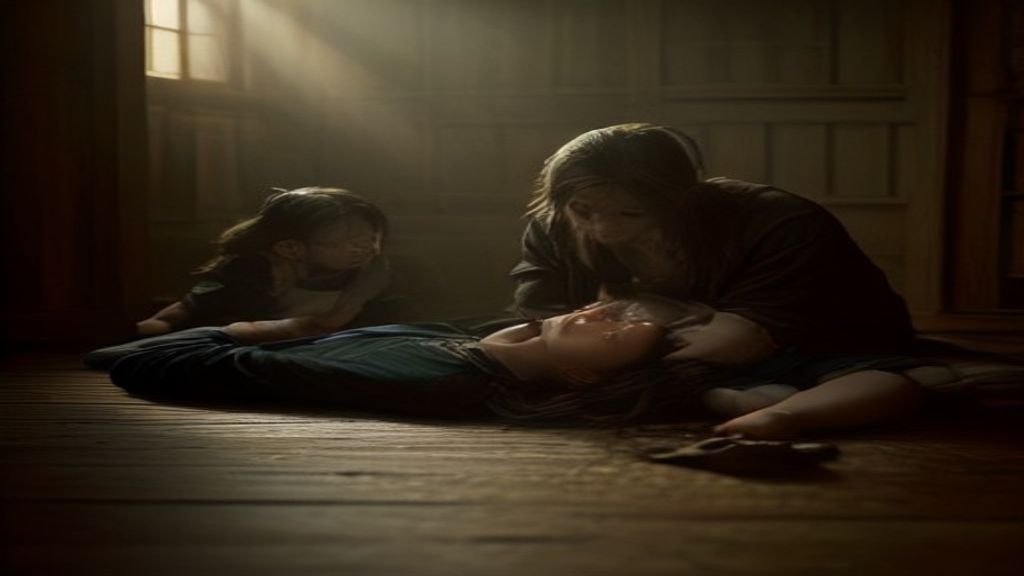
The Resurrection on Trial: How an 18th-Century Philosopher Is Still Rattling Believers Today

The Resurrection on Trial: How an 18th-Century Philosopher Is Still Rattling Believers Today · Avonetics
 shu uemura art of hair Ultimate
- Shu Uemura Ultimate Reset Extreme Repair Hair Mask: Strengthens and deeply conditions damaged hair with Japanese rice extract, providing intense hydration and nourishment to redu…
See it →
shu uemura art of hair Ultimate
- Shu Uemura Ultimate Reset Extreme Repair Hair Mask: Strengthens and deeply conditions damaged hair with Japanese rice extract, providing intense hydration and nourishment to redu…
See it →
Can human reason and ancient religious claims ever truly peacefully coexist, or are they locked in a perpetual battle for the human soul?
For centuries, theologians and skeptics have clashed over the physical reality of divine intervention. At the absolute center of this debate sits an eighteenth-century essay by Scottish philosopher David Hume. His argument was simple yet radical: no human testimony is strong enough to prove a miracle unless the falsehood of that testimony would be even more incredible than the miracle itself.
 Read nextSpiraling Headlines and Sacred Texts: Why Are Holy Books Silent on the Real Horrors?
When applied to the foundational claims of major world religions—such as the resurrection of Jesus—Hume’s principle forces a stark reckoning. Critics argue that an event violating the known laws of nature is, by definition, the least likely explanation for any historical report.
Reactions from modern seekers remain sharply divided. One commenter said that a violation of natural law requires ruling out every natural cause first, noting that ancient texts were written in ages steeped in superstition. Another argued that trusting claims made by groups seeking to establish new religions leaves endless room for doubt.
Yet defenders of faith push back forcefully against this cold rationalism. Another commenter argued that Hume’s reasoning is circular, effectively assuming that uniform natural experience rules out miracles before the evidence is even examined. Others point to the historical concept that faith and reason act as two distinct wings enabling the human spirit to seek truth, insisting that spiritual revelation operates in a dimension beyond empirical measurement.
This tension between dogma and critical thinking is far from academic. For millions of people raised in high-control religious environments, the struggle over authority and truth carries immediate physical consequences.
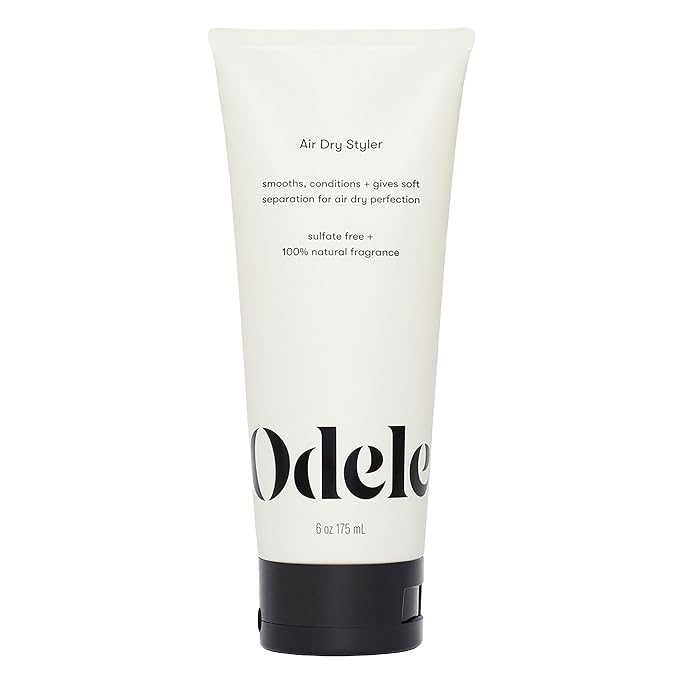 Odele Air Dry Styler
SKIP THE HEAT – Our salon-grade styling gel smooths frizz, conditions strands, and gives soft, touchable separation for air-dry perfection. NOURISHES - Formulated with amaranth and…
See it →
Odele Air Dry Styler
SKIP THE HEAT – Our salon-grade styling gel smooths frizz, conditions strands, and gives soft, touchable separation for air-dry perfection. NOURISHES - Formulated with amaranth and…
See it →
Consider the personal account of a young woman born into a strict religious household in South Asia. From the age of three, she was forced into a daily religious academy for nearly ten hours a day. She endured physical violence from instructors and unchecked abuse from older students. Even after her family relocated to Europe, daily mandatory attendance at a local house of worship continued to strip away her personal autonomy.
It was only through critical thinking that she found the strength to break free. At nineteen, she moved out, built an independent life, and severed ties with the rigid expectations of her past. She now lives in peace, holding onto the hope that her family will one day accept her independence.
Her story illustrates a profound truth: whether battling eighteenth-century philosophical maxims or modern institutional control, the search for truth often requires breaking away from enforced dogma.
The hosts of Holy Smoke dig deep into these explosive philosophical arguments and personal stories in the latest episode.
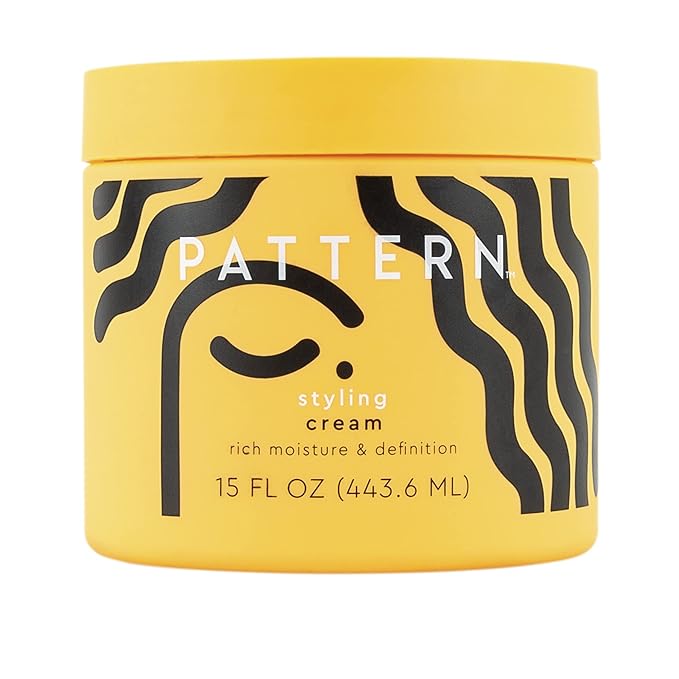 PATTERN Beauty by Tracee Ellis Ross
Lookin' like a jar of thick buttercream, our Styling Cream is the curly hair cream of your dreams. This curl defining cream provides superior moisture penetration & the ideal oil-r…
See it →
PATTERN Beauty by Tracee Ellis Ross
Lookin' like a jar of thick buttercream, our Styling Cream is the curly hair cream of your dreams. This curl defining cream provides superior moisture penetration & the ideal oil-r…
See it →