Left to Burn: The Desert Utopia Forgotten by Its Own Prophets
Left to Burn: The Desert Utopia Forgotten by Its Own Prophets · Avonetics
 Amazon Echo Spot
MEET ECHO SPOT - A sleek smart alarm clock with Alexa and big vibrant sound. Ready to help you wake up, wind down, and so much more.. CUSTOMIZABLE SMART CLOCK - See time, weather…
See it →
Amazon Echo Spot
MEET ECHO SPOT - A sleek smart alarm clock with Alexa and big vibrant sound. Ready to help you wake up, wind down, and so much more.. CUSTOMIZABLE SMART CLOCK - See time, weather…
See it →
In 1885, under explicit instructions from church leadership, hundreds of pioneer families crossed into the arid terrain of Northern Mexico to found Colonia Díaz. Envisioned as a self-sustaining sanctuary, the outpost offered refuge for plural families seeking to practice their faith beyond the reach of American anti-polygamy legislation. Within two decades, the settlement transformed into a bustling community of 800 residents, complete with sophisticated irrigation, brick homes, and a unique local culture where women largely governed daily civic life while men served foreign missions.
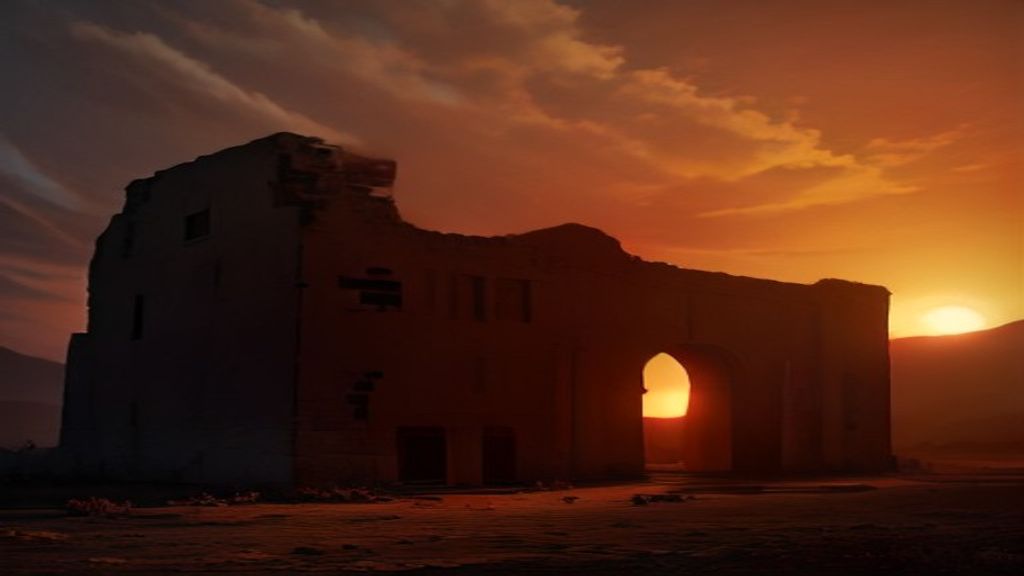
However, by 1912, the violence of the Mexican Revolution crept into the borderlands. Insurgent forces regularly raided the town, holding families at gunpoint to seize livestock and vital supplies. When the crisis reached its breaking point in July 1912, the entire population was forced to evacuate with only hours' notice, abandoning built homes, fertile fields, and personal belongings. By 1913, revolutionaries burned Colonia Díaz to the ground, leaving behind only foundation stones and scattered graves.
 Read nextSpiraling Headlines and Sacred Texts: Why Are Holy Books Silent on the Real Horrors?
What haunts descendants today is not simply the destruction caused by revolutionary forces, but the absolute silence from church headquarters in Utah. As refugees lived in primitive tent cities along the Texas and New Mexico borders, zero official aid, financial relief, or logistical rescue was dispatched. Critics and family historians emphasize that leadership actively distanced itself from the colony to sanitize its public history regarding polygamy, all while retaining valuable local water rights and tithes generated by the settlers.
This pattern of sacrifice without institutional support left lasting marks. Descendants report inherited hypervigilance and complex trauma, arguing that their ancestors were deployed as human shields in geopolitical power plays and forgotten once they became a public relations liability. As one commentator noted, setting up high-risk outposts and abandoning followers when tax or political liabilities arise was a recurring administrative habit during that era.
 Ring Floodlight Cam
Experience crisp clarity with Retinal 2K video — See all the crucial details across your home or business with wide-angle Retinal 2K. (Video quality may vary based on internet band…
See it →
Ring Floodlight Cam
Experience crisp clarity with Retinal 2K video — See all the crucial details across your home or business with wide-angle Retinal 2K. (Video quality may vary based on internet band…
See it →
This sense of institutional betrayal has led many deconstructing believers to re-examine core theological promises as well. Contemporary critics are turning a sharp eye toward traditional depictions of the afterlife, questioning whether promised heavenly utopias are merely cosmic mirrors of earthly control. Some argue that biblical descriptions of the millennium—featuring wiped personal memories, forced emotional euphoria, and endless labor—resemble high-control corporate structures rather than genuine spiritual freedom.
Whether examining historical desert ruins or ancient apocalyptic visions, the core question remains unchanged: what happens when paradise requires the total surrender of human autonomy?
On the latest episode of Holy Smoke, the hosts pull back the curtain on this forgotten frontier tragedy and debate the dark reality of promised paradises.