MY FIGHTER STABBED ME IN THE BACK: Inside Tabletop Gaming's Wildest Combat Meltdowns
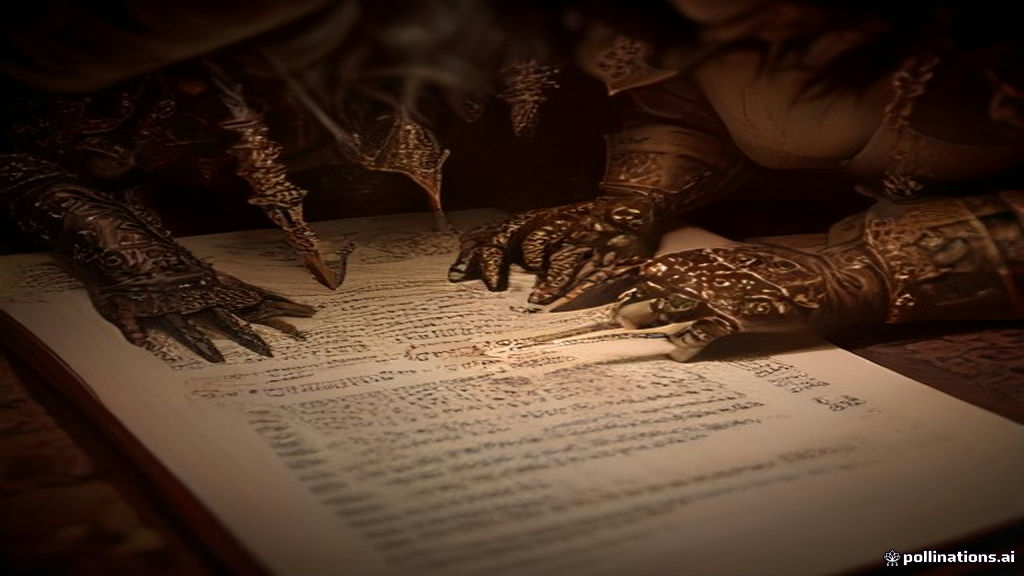
MY FIGHTER STABBED ME IN THE BACK: Inside Tabletop Gaming's Wildest Combat Meltdowns · Avonetics
 BLACKOO Women Graphic Sleeveless Sunshine Casual
 Tank Top · Home
See it →
There is a specific brand of heartbreak known only to fantasy gamers who show up to the table with a gorgeous concept, only to watch the rulebook grind it into dust. For one passionate fencer, the dream was simple and timeless: bring the authentic Florentine fighting style to life. Picture an agile duelist dancing through shadowed corridors, wielding a sharp rapier in the dominant hand and a swift parrying dagger in the off-hand to deflect incoming blows.
Yet the moment character creation begins, the fantasy hits a brick wall. In standard rules, dual wielding forces players into a suffocating mechanical trap where swinging an off-hand weapon completely devours their single bonus action each turn. Classes that feel naturally suited for a rapier artist—such as the charismatic bard, the mobile ranger, or the flashy swashbuckler—rely on that very same action to inspire allies, cast tracker spells, or slip out of harm's way. Instead of feeling like an agile master of blade and buckler, the combatant feels frozen in place.
Read nextHE WAS DISMEMBERED FOR TWENTY YEARS: NOW HE WALKS FREE IN SEARCH OF HIS OWN SOULThe gaming community immediately split into warring factions over the dilemma. One commenter said that the system flatly punishes anyone wanting a classic off-hand dagger, noting that without specialized weapon masteries, players have almost zero mechanical incentive to carry a smaller blade unless it holds magical properties. Another argued that players are better off building brute-force combinations, highlighting champion fighters and raging barbarians who fish for critical hits with relentless strikes rather than stressing over renaissance fencing elegance.
Yet, as one fighter pointed out, swashbucklers actually shine with paired weapons because simply taking a swing strips an opponent's ability to counter-strike, offering silky battlefield repositioning without burning resources. The tension between mechanical optimization and narrative flavor remains one of tabletop gaming's most heated rivalries.
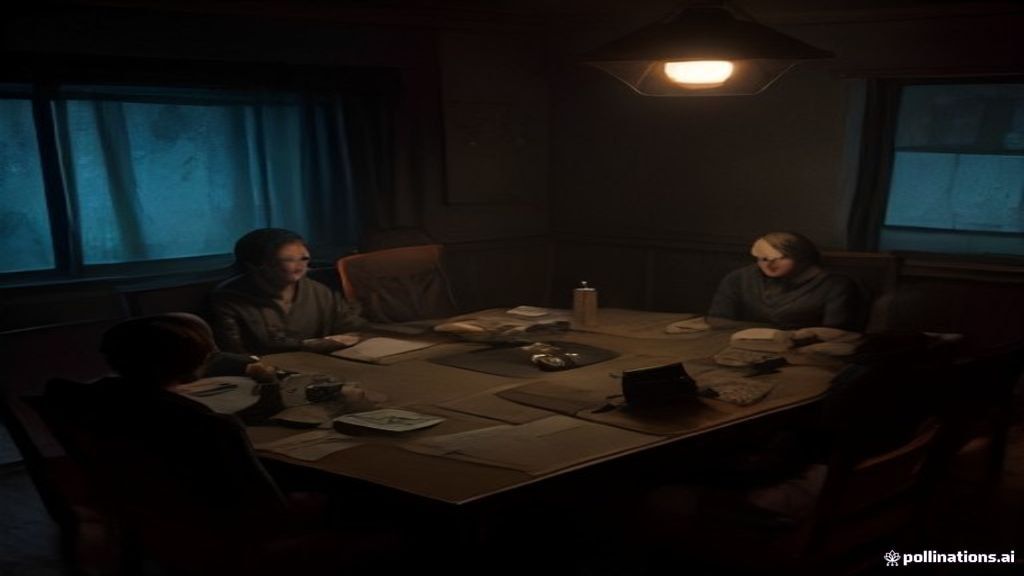
Nothing highlights that chaotic balance better than an unforgettable finale in an ancient dungeon crypt. Facing an arch-necromancer in the middle of a catastrophic summoning ritual, an entire party found themselves shut down when an unseen enemy in the dark snuffed out their cleric's fireball. The game master leaned back, fully expecting the party's scholarly wizard to exchange clever counterspells from the backline.
 Sony WH-1000XM5 headphones
Whether you work in a noisy office or travel often, Sony WH-1000XM5 headphones deliver outstanding noise cancellation and exceptional comfort. They are ideal for anyone who wants to stay focused or enjoy rich, detailed audio anywhere. Check out the link in the episode description.
Learn more →
Instead, the wizard threw every convention out the window. Armed with eighteen raw strength and a pair of plus-two brass knuckles looted from a defeated thug, the scholar used a pre-rolled portent die to guarantee a natural twenty, charged the altar, and punched the necromancer squarely in the mouth. The crushing blow dealt nineteen points of bludgeoning damage and knocked the boss flat on the stone floor.
Moments later, with the wizard straddling the villain and trading vicious blows down to a razor-thin three hit points, the party fighter sprinted from the shadows. In an unbelievable climax, the fighter did not strike the villain—he drove his blade directly through the wizard's back, delivering the ultimate table-flipping betrayal.
It is the kind of wild, unscripted storytelling that proves dice rolls and human mischief will always triumph over rigid combat spreadsheets. The hosts of Off Script unpack both of these explosive tabletop sagas and battle it out on the podcast.