Dungeon Master Admits Fudging 80% of Dice Rolls to Prevent Catastrophic Campaign Wipeout

Dungeon Master Admits Fudging 80% of Dice Rolls to Prevent Catastrophic Campaign Wipeout · Avonetics
 Hamnet
 - Kindle edition by O
See it →
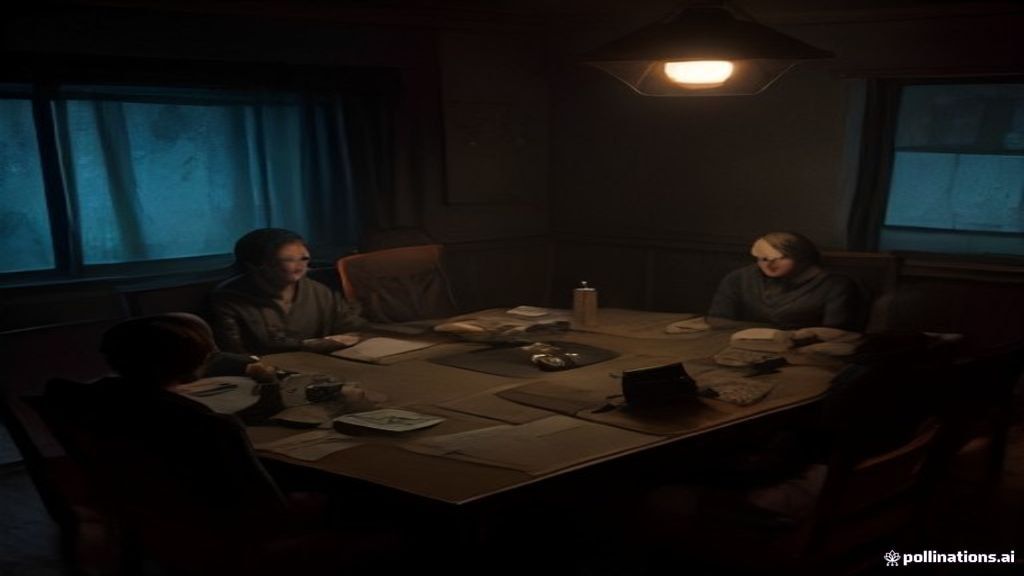
There is a sacred, unwritten pact at the gaming table: the players bring the passion, the referee sets the scene, and the polyhedral dice decide everyone's fate. But behind the cardboard fortress of the master screen, one storyteller is blowing the whistle on their own desperate cover-up.
In an astonishing admission that has sparked fierce debate across the tabletop gaming community, an active game master revealed they have been secretly manipulating nearly eighty percent of their combat rolls just to keep their adventuring party from being slaughtered in the Underdark. The campaign in question, the infamous Underdark survival adventure Out of the Abyss, has pushed the group to the brink of disaster—and pushed their referee into a corner of quiet deception.
 Read nextSparks Fly in the Forest: Inside the Emotional Wood Elf Milestone That Has Gamers Taking Sides
The crisis boiled over during a recent trek across the Silken Path, a treacherous subterranean crossing suspended over a bottomless chasm. As written in the official sourcebook, the referee is instructed to check for wandering horrors every five hundred feet. When the random encounter table unleashed a pack of giant spiders on the level three adventuring party, the encounter instantly spiraled into a near-fatal meat grinder. The players burned through every spell slot, healing resource, and defensive ability they possessed within rounds just trying to remain standing.
Fearing an unceremonious total party wipe on a routine rope bridge, the referee took matters into their own hands. Without telling a soul at the table, they slashed the arachnids' baseline claw damage to a flat six-sided die and cut their venom potency in half. Even with those massive, clandestine nerfs, the party barely crawled away with single-digit hit points. With deadly hook horrors and sinister tombs looming on the horizon, the distressed referee admits that continuing to roll behind the screen feels less like arbitrating an epic saga and more like running an intensive care unit.
The confession has polarized tabletop veterans into two passionate factions. One commenter said the real issue is simple math: running low-level characters through early Underdark chapters without milestone boosts is setting them up for failure, recommending an immediate free level to bring the party to level four. Another argued that the community needs to normalize pulling back the curtain mid-session, suggesting referees simply confess when an encounter is poorly balanced, drop an enemy from the initiative tracker, or award bonus hit points on the fly rather than carrying the burden alone.
 Lenovo 16 IPS FHD+ i7-13620H Office
Powerful Intel Core i7 Performance: Equipped with Intel Core i7-13620H processor featuring 10 cores (6 Performance + 4 Efficiency cores) and 16 threads, with P-core speeds up to 4.…
See it →
Other critics, however, placed the blame squarely on the adventure's dated structural design. One commenter pointed out that starting characters stripped of their gear in a subterranean slave pen robs player agency from the opening roll, while managing a small army of non-player escorts turns combat rounds into an agonizing crawl. They argued that fudging four out of five rolls proves the rules system is working against the story, suggesting referees take the best set pieces and run them inside lighter, sharper game engines.
That hunger for transparent, agile gaming has put a spotlight on indie releases like BOG: A Game of Frogs, a freshly launched standalone roleplaying game created by solo designer Marius Niezgoda. Featuring completely hand-drawn art and intuitive survival mechanics, the game places fragile frog knights in a haunted, perilous marsh where clever lateral thinking matters far more than bloated stat blocks.
The hosts of Off Script unpack this tabletop crisis on the latest episode, debating whether secret dice-fudging is an act of storytelling mercy or the ultimate betrayal of trust.