Can Dead Gods Rise Again? The Unholy War Over Ancient Pagan Rites and 'Christian Goth' Identity
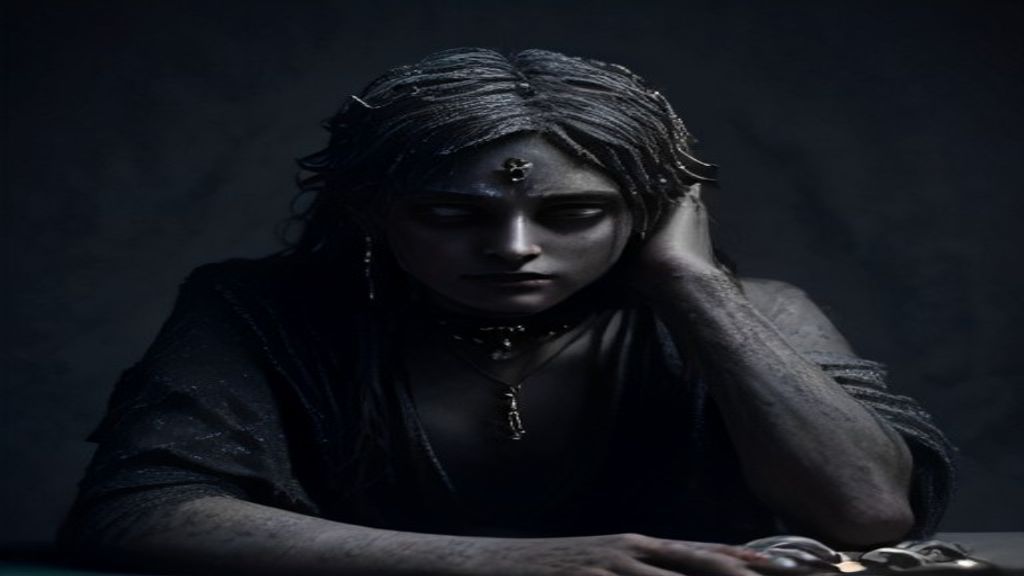
Can Dead Gods Rise Again? The Unholy War Over Ancient Pagan Rites and 'Christian Goth' Identity · Avonetics
 EASELAND King Size Mattress Pad Cotton
King Mattress Pad 78x80 inch,21 inch Deep Pocket, 63 oz Elastic & Hollow Down Alternative Microfiber.. Soft: With down alternative fillings,this pad will add great softness to your…
See it →
EASELAND King Size Mattress Pad Cotton
King Mattress Pad 78x80 inch,21 inch Deep Pocket, 63 oz Elastic & Hollow Down Alternative Microfiber.. Soft: With down alternative fillings,this pad will add great softness to your…
See it →
There is a quiet terror in contemplating the death of a god. Thousands of years ago, entire empires erected sprawling stone temples, conducted elaborate sacrifices, and offered fervent prayers to deities like Enlil, Ishtar, Chemosh, and Marduk. To the people of the ancient Near East, these figures were as tangible, powerful, and omnipresent as any divine figure worshipped in modern cathedrals or mosques. Yet today, those names echo mostly in silent museum corridors.
This reality has sparked a fierce debate over the nature of faith, memory, and authenticity. If a modern practitioner lights incense, recites translated cuneiform hymns, and offers prayers to Ishtar in a twenty-first-century apartment, are they practicing the same religion as the ancient Babylonians? Or are they merely executing a modern performance inspired by historical ghosts?
 Read nextSpiraling Headlines and Sacred Texts: Why Are Holy Books Silent on the Real Horrors?
For many traditionalists and historical scholars, the answer is a firm no. One observer noted that ancient pagan religions were not abstract personal philosophies, but were intricately tied to the political institutions, agricultural cycles, and civic structures of their specific eras. Without an unbroken lineage of tradition or an active society to sustain it, the original religion vanished long ago. Reconstructing those practices today, critics argue, creates an entirely new spiritual movement heavily influenced by modern occultism, regardless of how historically accurate the practitioner attempts to be.
However, others push back against this rigid standard. A counter-argument highlights that pre-Abrahamic religions rarely possessed standardized dogma or centralized clerical authority. In antiquity, faith was often decentralized, practiced uniquely within individual households and local communities. Furthermore, ancient pantheons were fluid; in ancient Egypt, regional gods like Amun of Thebes and Ra of Heliopolis were continuously merged, syncretized, and reinterpreted over centuries as political power shifted. From this perspective, modern reconstruction is not a fake imitation, but a continuation of religion's natural, evolving nature.
This tension over identity and co-optation extends far beyond ancient ruins and reaches straight into modern subcultures. A parallel conflict is currently boiling within alternative communities over the rise of self-proclaimed "Christian goths."
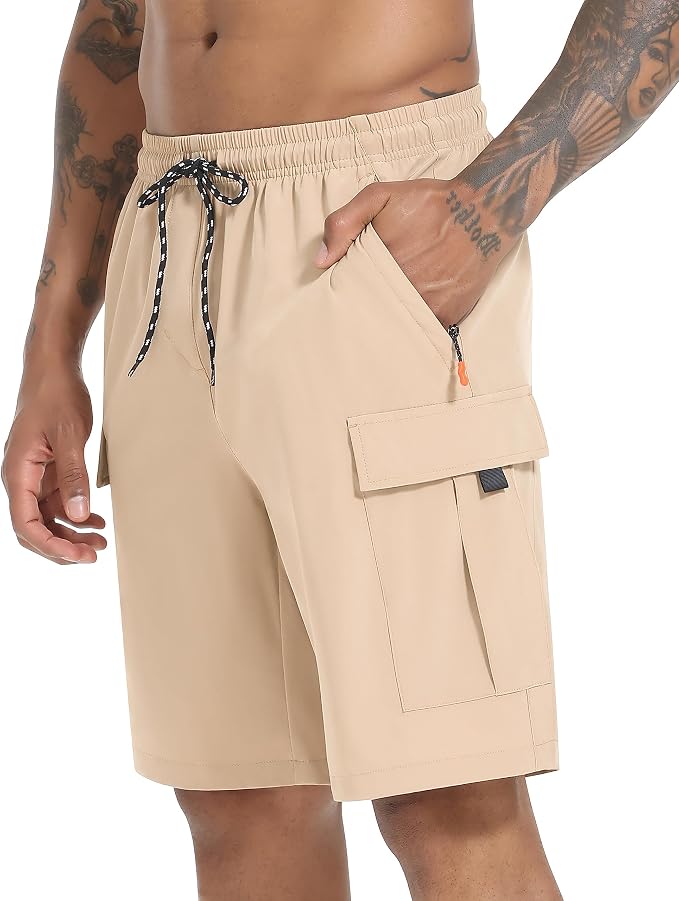 Men's Cargo Shorts Quick Dry Lightweight
 Stretch Hiking Shorts for Men with 5 Pockets No Lining · Outdoors
See it →
Men's Cargo Shorts Quick Dry Lightweight
Men's Cargo Shorts Quick Dry Lightweight Stretch Hiking Shorts for Men with 5 Pockets No Lining · Outdoors
See it →
For decades, the goth subculture operated as a bastion of countercultural defiance, artistic darkness, and anti-establishment rebellion. Sacred religious symbols like crucifixes and rosaries were adopted by goths not out of devotion, but as acts of irony, subversion, and aesthetic resistance against dominant societal norms. Critics within the scene argue that attempting to align Christian faith with gothic subculture is fundamentally contradictory, asserting that one cannot claim allegiance to a dominant, historically oppressive institution while claiming to embody countercultural rebellion.
Yet defenders of alternative expression argue that identity is not a monolith. They contend that individuals have the right to merge their personal spirituality with their visual and musical tastes, asserting that rigid gatekeeping stifles artistic and personal evolution.
Whether negotiating the altars of forgotten ancient gods or the aesthetic boundaries of modern subcultures, the central question remains the same: can sacred symbols retain their original meaning when transplanted into the modern world?
The hosts of Holy Smoke tackle this controversial clash of faith, history, and subculture on this week's episode.
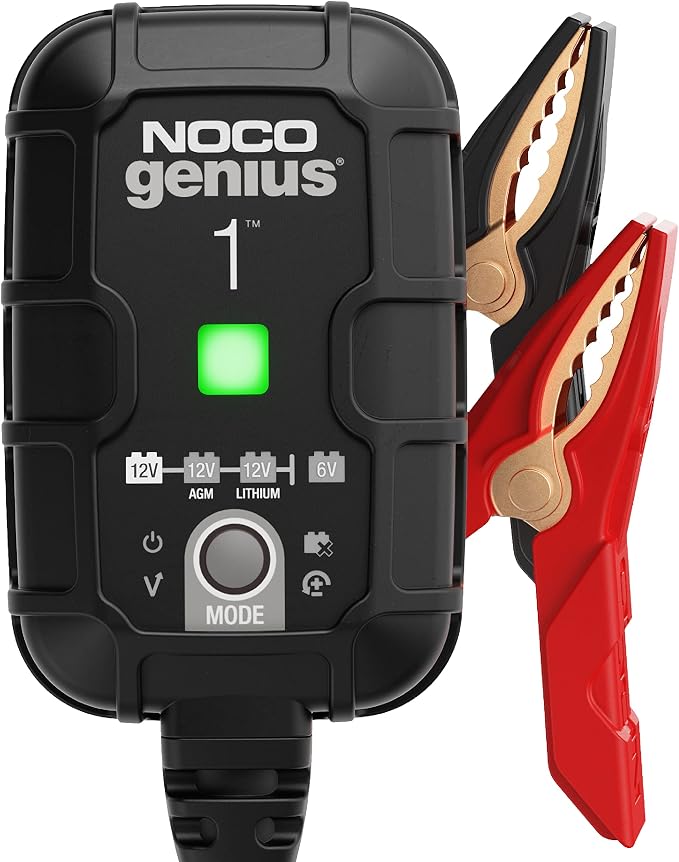 NOCO GENIUS1 1A 6/12V Smart Battery
MEET THE GENIUS1 — Similar to our G750, just better. It's 35% smaller and delivers over 35% more power. It's the all-in-one charging solution - battery charger, battery maintainer…
See it →
NOCO GENIUS1 1A 6/12V Smart Battery
MEET THE GENIUS1 — Similar to our G750, just better. It's 35% smaller and delivers over 35% more power. It's the all-in-one charging solution - battery charger, battery maintainer…
See it →