The Death Paradox: Why Some Bodies Refuse to Decay—and the Hidden Glitch Threatening Entire Ecosystems

The Death Paradox: Why Some Bodies Refuse to Decay—and the Hidden Glitch Threatening Entire Ecosystems · Avonetics
 Ninja Digital Air Fry Countertop Oven
Precision-controlled temperature, heat source, and airflow for ultimate versatility and optimum cooking performance.. 8-IN-1 VERSATILITY: The ultimate meal-making machine with 8-in…
See it →
Ninja Digital Air Fry Countertop Oven
Precision-controlled temperature, heat source, and airflow for ultimate versatility and optimum cooking performance.. 8-IN-1 VERSATILITY: The ultimate meal-making machine with 8-in…
See it →
We are taught in grade school that nature is a flawless recycling machine. An animal dies in the wild, scavengers arrive, bacteria finish the job, and the nutrients return to the earth in a seamless circle of life. But field researchers and evolutionary biologists know a dirty secret: nature breaks down far more often than it recycles.
Across the globe, field researchers report terrifying instances of organic matter refusing to rot. Dead birds sit pristine along forest floors, untouched by scavengers or blowflies for weeks. In the deepest trenches of the ocean, massive biological structures sink and remain intact for decades.
 Read nextFrom Volcanic Cliffs to the Unemployment Line: The Crisis in STEM Education
This resistance to decay isn't a miraculous miracle—it is an evolutionary glitch. As one researcher noted, species evolve defenses like antibacterial coatings and chemical toxins purely to keep themselves alive. When they die, those chemical shields remain active post-mortem. Nature didn't design these corpses to resist rot; it simply hasn't gotten around to evolving micro-organisms capable of breaking them down.
History proves how catastrophic this lag can be. During the Carboniferous period, early trees evolved a tough structural compound called lignin. For nearly sixty million years, no fungus or bacteria possessed the enzymes required to digest it. Ancient forests died and stacked up in gigantic, undecayed heaps, creating the massive peat beds that eventually formed modern coal reserves. For tens of millions of years, the earth’s biological engine was stuck in neutral.
Yet, some scientists argue that this delayed decay is actually a necessity. When a ninety-ton whale dies and sinks to the abyssal ocean floor, its decay-resistant skeleton creates what marine biologists call a 'whale fall.' The carcass acts as a slow-drip, time-release energy reactor, leaking vital nutrients into dark benthic deserts over fifty years. One commentator noted that without these slow-decaying deep-sea feeding stations, ocean currents and abyssal life networks would collapse entirely.
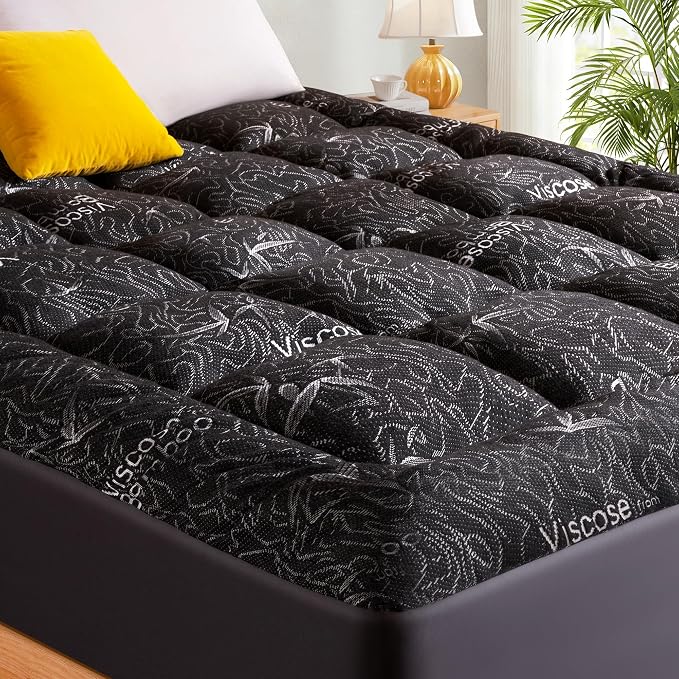 King Mattress Topper Viscose Made from
40% bamboo viscose & 60% polyester outer fabric offers breathable, moisture-wicking comfort. This 78 x 80 inch twin-size mattress topper is ultra-soft, stretch-friendly and kind to…
See it →
King Mattress Topper Viscose Made from
40% bamboo viscose & 60% polyester outer fabric offers breathable, moisture-wicking comfort. This 78 x 80 inch twin-size mattress topper is ultra-soft, stretch-friendly and kind to…
See it →
Now, this delicate balance faces a modern shockwave. In Australia, conservationists are raising alarms over the spread of avian influenza. Australian birds do not just occupy trees; they operate as the forest's primary engine. Species like brush-turkeys and malleefowl move thousands of pounds of soil and leaf litter every season, oxygenating the soil and accelerating plant breakdown.
If bird flu decimates these avian populations, canopy trees will choke on pests, soil turnover will grind to a halt, and leaf litter will pile up undecayed—mirroring the stagnant forests of ancient prehistory.
Our hosts dive straight into this ecological paradox on the latest episode of the podcast, debating whether nature is a self-healing masterpiece or an unpredictable disaster waiting for its next evolutionary patch.
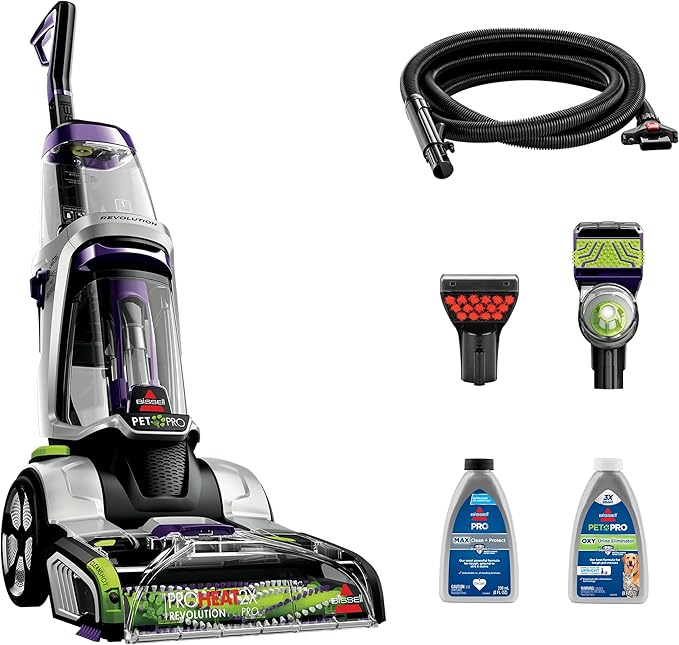 BISSELL ProHeat 2X Revolution Pet Pro
Removes the toughest pet stains & odors.. ATTACKS SPOTS & STAINS: The CleanShot Pretreater with OXY permanently removes pet stains and eliminates tough odors like cat urine and eve…
See it →
BISSELL ProHeat 2X Revolution Pet Pro
Removes the toughest pet stains & odors.. ATTACKS SPOTS & STAINS: The CleanShot Pretreater with OXY permanently removes pet stains and eliminates tough odors like cat urine and eve…
See it →