From Volcanic Cliffs to the Unemployment Line: The Crisis in STEM Education
From Volcanic Cliffs to the Unemployment Line: The Crisis in STEM Education · Avonetics
 ViscoSoft Memory Foam Mattress
Experience the ultimate in comfort, support, and value with the Select High Density mattress topper from Viscosoft. Crafted with superior memory foam that boasts a density of over…
See it →
ViscoSoft Memory Foam Mattress
Experience the ultimate in comfort, support, and value with the Select High Density mattress topper from Viscosoft. Crafted with superior memory foam that boasts a density of over…
See it →
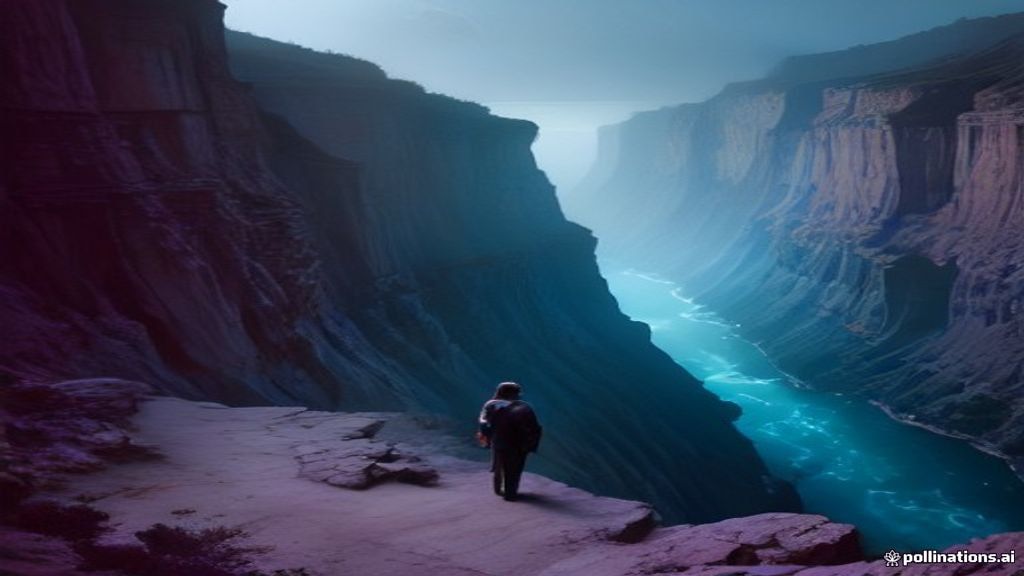
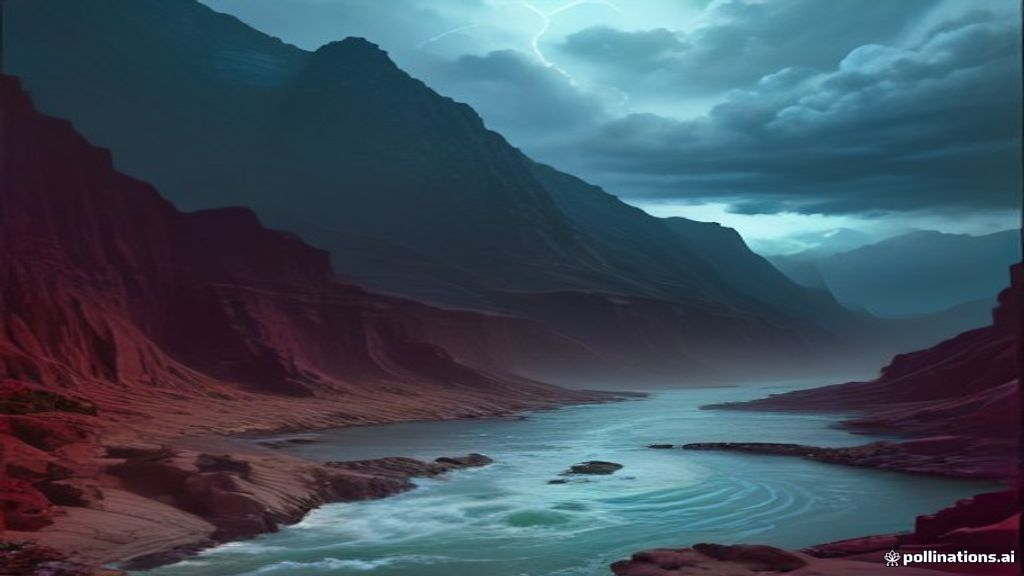
The Grand Canyon of the Stikine in British Columbia is one of the most hostile and inaccessible environments on Earth. For three years, a dedicated geologist mapped its sheer 1,500-foot volcanic cliffs and navigated its violent rapids, uncovering secrets of the Earth's crust. Yet, upon returning to the civilized world, they faced a challenge that made the roaring rapids of the Stikine look inviting: finding a job in the modern biotechnology sector.
After completing a Master's degree immediately following their undergraduate studies, the researcher specialized in structural biology, specifically utilizing cryo-electron microscopy (cryo-EM) and enzymology. Their research was highly technical, involving the transformation of E. coli cells and the purification of proteins using His-tag affinity chromatography. It was the kind of cutting-edge research that academic institutions celebrate.
 Read nextThe Specialization Trap: Why a Master's Degree in Science Might Leave You Unemployable
However, the commercial job market operates on a different set of rules. Today's biotech employers are looking for practical, high-throughput skills like human cell culture, flow cytometry, and ELISA—techniques that were never used in the researcher's academic lab. Because modern companies are increasingly unwilling to invest in training, the researcher found themselves in a frustrating paradox: over-qualified for entry-level positions, yet lacking the specific practical experience required for specialized industry roles.
This issue has sparked a heated debate within the scientific community. Some argue that deep, specialized research is a prestigious achievement that demonstrates a high capacity for complex problem-solving. One observer praised the geological mapping of the Stikine, calling it 'incredible country to work in,' representing those who believe that extreme field and lab skills are intrinsically valuable.
 CMF Buds Pro 2 Wireless Earbuds
50dB Adaptive Hybrid ANC: CMF Buds Pro 2 ANC earbuds automatically detect noise leakage between the earbuds and your ear canal to ensure optimal noise cancellation performance. Wit…
See it →
CMF Buds Pro 2 Wireless Earbuds
50dB Adaptive Hybrid ANC: CMF Buds Pro 2 ANC earbuds automatically detect noise leakage between the earbuds and your ear canal to ensure optimal noise cancellation performance. Wit…
See it →
Conversely, critics argue that the academic pipeline is fundamentally broken. They point out that universities often encourage students to specialize early to serve the immediate research goals of their principal investigators, with little regard for their future employability. Furthermore, legal and institutional barriers make it difficult for graduates to volunteer in other labs to gain the necessary skills, leaving them with no clear way to bridge the gap.
This gap between academic training and industry demands represents a growing crisis in STEM education, raising serious questions about how we train the next generation of scientists.
Our hosts explore this fascinating story of extreme research and career survival on the latest episode of the podcast.