Climbing Cliffs and Career Walls: The High-Stakes Double Life of a Modern Scientist
Climbing Cliffs and Career Walls: The High-Stakes Double Life of a Modern Scientist · Avonetics
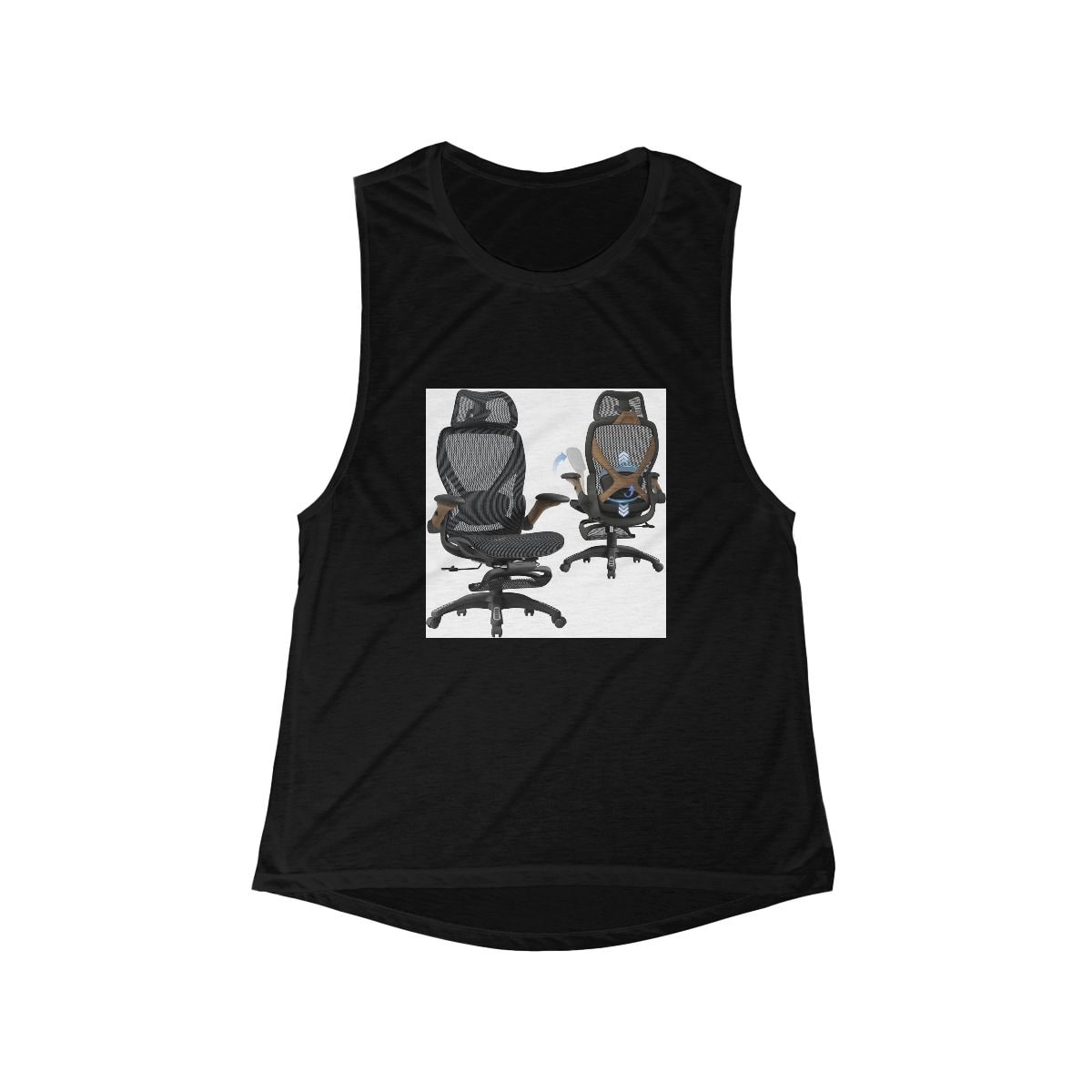 ELABEST X100 Ergonomic Mesh Office Chair
All-Day Comfort Solution: Premium Ergonomic Desk Chair with Footrest featuring dynamic 3D lumbar support, 5D Flip-Up Armrests, and extra-wide 3D breathable headrest, 2-position ang…
See it →
ELABEST X100 Ergonomic Mesh Office Chair
All-Day Comfort Solution: Premium Ergonomic Desk Chair with Footrest featuring dynamic 3D lumbar support, 5D Flip-Up Armrests, and extra-wide 3D breathable headrest, 2-position ang…
See it →
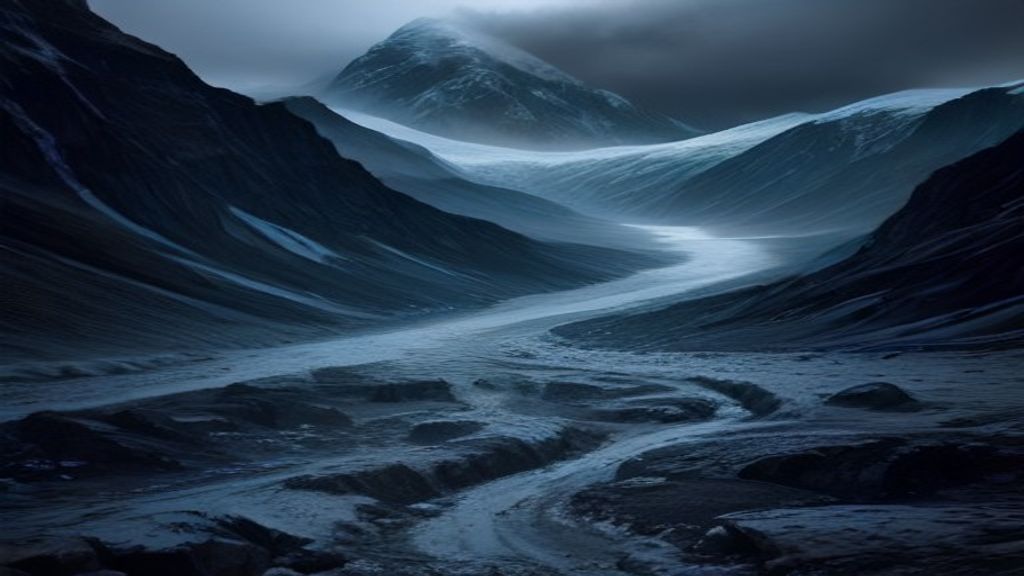
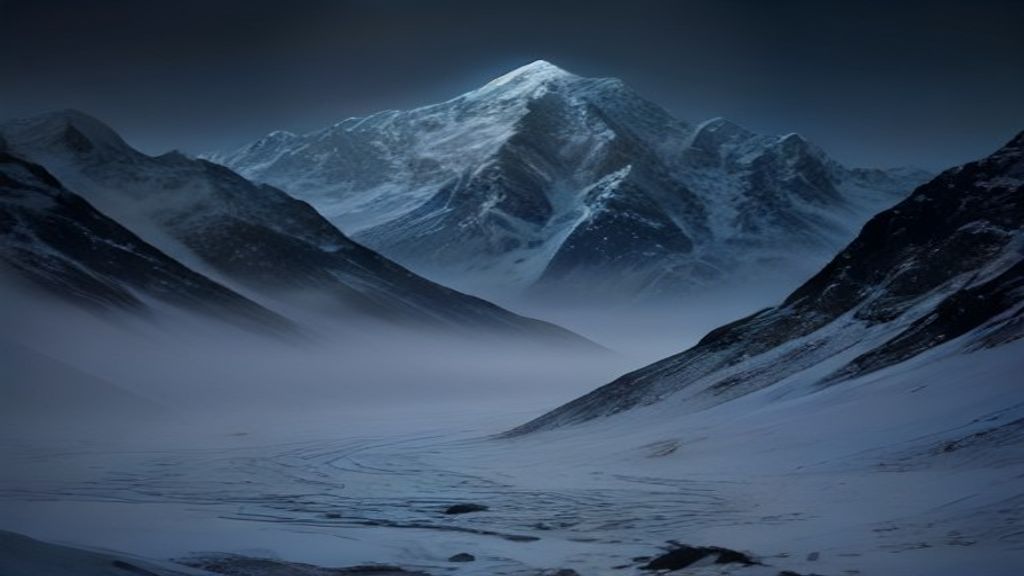
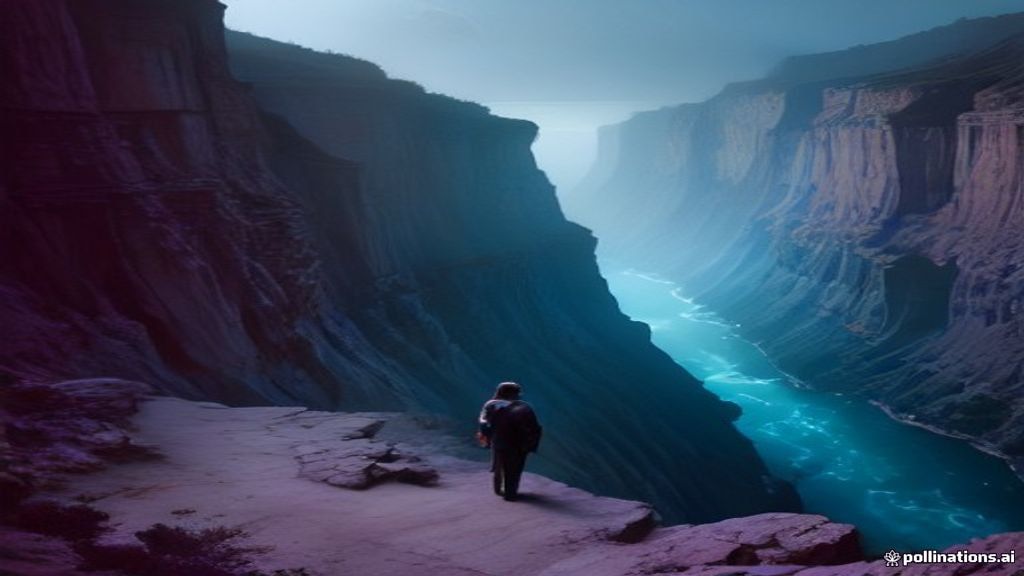
The Grand Canyon of the Stikine in British Columbia is not a place for the faint of heart. Slicing through the Canadian Cordillera on the north side of the Mt. Edziza volcanic complex, its sheer walls rise up to 1,500 feet, framing some of the most violent and unpredictable rapids on the planet. For three years, one geologist braved this extreme landscape to map its unique geomorphology and study its ultramafic rock formations, capturing stunning evidence of Earth's violent history, including ancient veins sheared by faults and pierced by new volcanic intrusions.
Yet, as many researchers discover, surviving the physical wilderness is only half the battle. The transition from the rugged cliffs of British Columbia to the sterile, fluorescent-lit environment of a structural biology laboratory brought a different, more insidious kind of danger: the career trap of hyper-specialization.
 Read nextThe Specialization Trap: Why a Master's Degree in Science Might Leave You Unemployable
After completing an undergraduate degree, the researcher jumped directly into a Master's program, focusing intensely on structural biology, utilizing cryo-electron microscopy (cryo-EM) and enzymology. The daily routine became a highly specific loop of transforming cells in E. coli, purifying proteins with His-tags, and performing size exclusion chromatography. While intellectually stimulating, this close look into molecular structures created an unexpected barrier when entering the job market.
Today's biotechnology industry increasingly demands a broad suite of practical skills, including human cell culture, flow cytometry, and immunosorbent assays—techniques that many academic labs do not utilize. As the researcher quickly realized, modern employers are highly risk-averse, showing little interest in training new hires when they can find candidates who already possess these specific industry-standard skills.
In online science communities, this dilemma sparked a fierce debate about the value of academic specialization versus broad, practical skills. One community member admired the geological photos of the Stikine, noting that 'X marks the spot' for complex geological intrusions, highlighting the incredible value of pure, observational fieldwork. Another echoed this sentiment, calling the Stikine incredible country to work in, representing those who believe that deep, specialized expertise is a rare and prestigious achievement.
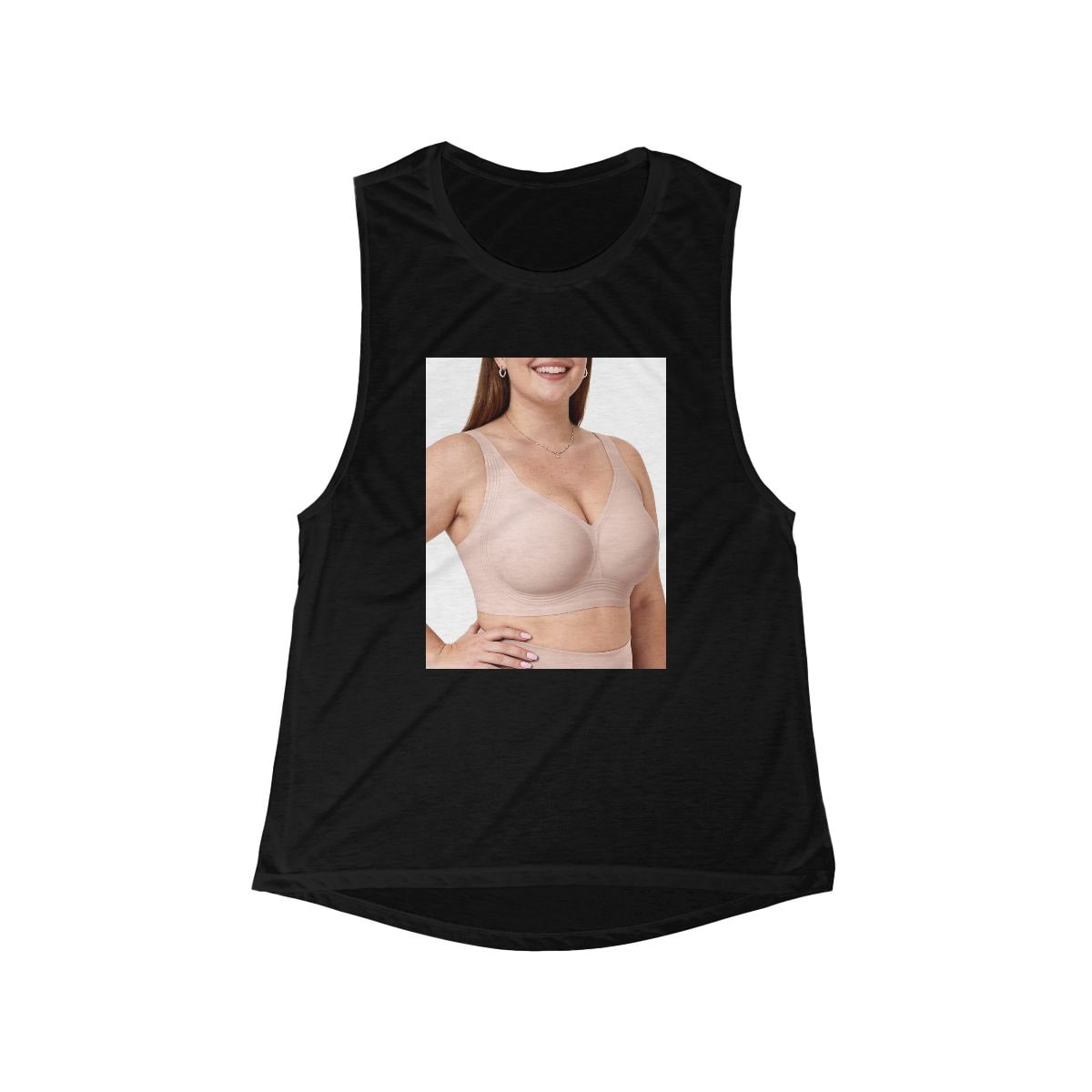 Vertvie Jelly Bras for Women No
 Underwire Minimizer Support · Home
See it →
Vertvie Jelly Bras for Women No
Vertvie Jelly Bras for Women No Underwire Minimizer Support · Home
See it →
However, others focused on the harsh realities of the laboratory career trap. Commenters pointed out the systemic issues within academic institutions, where principal investigators are often hesitant to allow volunteers to gain hands-on experience due to liability, safety regulations, and fair compensation concerns. This leaves many eager graduates stuck in an impossible position: they cannot get a job without experience, and they cannot get experience because they cannot find a laboratory willing to train them.
This division highlights a growing crisis in STEM education. While universities encourage students to specialize early to contribute to highly focused academic publications, the commercial market demands versatile, multi-disciplinary employees. The result is a generation of brilliant scientists who can navigate class-five rapids and map complex geological faults, but find themselves completely locked out of entry-level industry positions.
Our hosts explore this fascinating intersection of extreme fieldwork and career survival on the latest episode of the podcast.