Pond Poachers Exposed: Backyard Gardeners Are Raiding Public Streams to Fix 'Pea Soup' Algae Chaos
Pond Poachers Exposed: Backyard Gardeners Are Raiding Public Streams to Fix 'Pea Soup' Algae Chaos · Avonetics
 adidas Men's Food Pack Graphic T-Shirt
 · Fashion
See it →
adidas Men's Food Pack Graphic T-Shirt
adidas Men's Food Pack Graphic T-Shirt · Fashion
See it →
A quiet war is brewing in suburban backyards over the fate of local waterways, where desperate gardeners are turning to guerrilla tactics to fix failing backyard ponds.
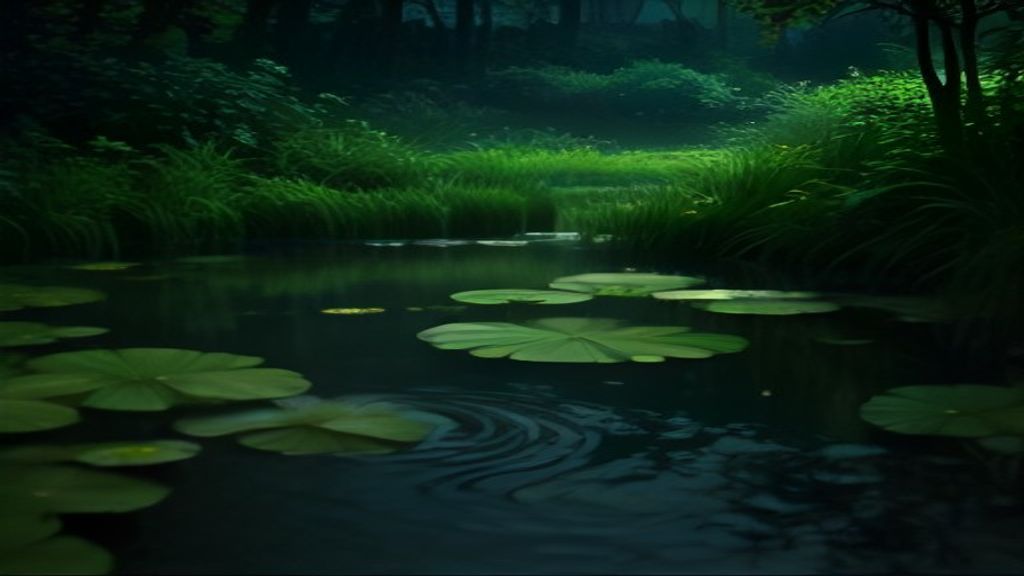
When a newly installed garden pond succumbs to its first major heatwave, the result is almost always a thick, opaque algal bloom known to hobbyists as 'pea soup.' Frustrated by murky green water and dying balance, a growing contingent of home landscapers is advocating for an illegal shortcut: grabbing five-gallon buckets, heading down to local public creeks, and plundering wild aquatic plants and bottom mud to jumpstart their private ecosystems.
 Read nextFrom Volcanic Cliffs to the Unemployment Line: The Crisis in STEM Education
Advocates of the bucket strategy argue that transferring a few handfuls of wild water milfoil or creek sediment introduces essential microfauna, beneficial bacteria, and native zooplankton capable of clearing algal blooms in days. They insist that taking small quantities from robust waterways causes no harm and ultimately expands habitat for frogs, dragonflies, and birds on private land.
However, professional ecologists and land management personnel are sounding the alarm over what they describe as a dangerous biosecurity threat masquerading as green thumb enthusiasm.
Critics point out that unpermitted harvesting strips delicate bank vegetation, destabilizes stream beds, and threatens vulnerable aquatic organisms. More dangerously, moving wild mud between water sources acts as a high-speed superhighway for invasive plant fragments, parasitic snails, and devastating amphibian pathogens like chytrid fungus.
"One person doing this might not seem like an issue, but if everyone did it, it would be," one environmental advocate warned. Others pointed out that official land management agencies offer clear frameworks—such as special forest products permits—that regulate the collection of wild resources to protect fragile habitats from being depleted.
 FNTCASE for Google Pixel 11 Pro
Strong Magnetic Attraction: Compatible for Magnetic chargers and other Qi Wireless chargers without signal influence. The Google Pixel 11 Pro XL magnetic case has built-in 38 super…
See it →
FNTCASE for Google Pixel 11 Pro
Strong Magnetic Attraction: Compatible for Magnetic chargers and other Qi Wireless chargers without signal influence. The Google Pixel 11 Pro XL magnetic case has built-in 38 super…
See it →
Defenders of the practice push back, claiming that strict conservation rules are meant to stop commercial over-harvesting, not an individual saving a backyard frog pond. One supporter argued that as long as the recipient garden pond offers genuine ecosystem services to local wildlife, taking non-threatened donor plants from non-reserved areas should be considered a net positive for urban biodiversity.
Yet, legal experts counter that nature reserves and public parks maintain strict mandates for a reason. Allowing uneducated collectors to self-regulate opens the door to severe ecological disruption, turning a well-meaning home project into a localized environmental tragedy.
Whether viewed as grassroots rewilding or reckless poaching, the debate highlights the fragile boundary between suburban hobby gardening and wild ecosystem protection.
The hosts of Chain Reaction lock horns over this exact controversy on this week's episode, debating whether guerrilla pond-building is a public service or ecological treason.