A Tourist Stumbled Into a Chicago Museum—and Triggered a Tearful Reaction in Front of a $10 Million Prehistoric Secret
A Tourist Stumbled Into a Chicago Museum—and Triggered a Tearful Reaction in Front of a $10 Million Prehistoric Secret · Avonetics
 King Size Comforter Set
Effortless Comfort: Premium filling covered in brushed microfiber offers exceptional softness in all seasons. Cozying up in a beautiful boho comforter set is one of the favorite li…
See it →
King Size Comforter Set
Effortless Comfort: Premium filling covered in brushed microfiber offers exceptional softness in all seasons. Cozying up in a beautiful boho comforter set is one of the favorite li…
See it →
It was supposed to be a standard tourist afternoon in Chicago. A family strolling through the cavernous marble halls of the Field Museum, checking off the usual travel bucket list items. But for one visitor, rounding a quiet corner in the fossil exhibit turned into a staggering emotional ambush.
There, resting inside an illuminated display case, sat an authentic Archaeopteryx specimen—the iconic transitional link between feathered dinosaurs and modern birds. Unknown to the visitor, this particular fossil is the only real Archaeopteryx on display anywhere in the Western Hemisphere.
 Read nextFrom Volcanic Cliffs to the Unemployment Line: The Crisis in STEM Education
Overwhelmed by the sight of the delicate feather imprints and 150-million-year-old rock structure, the visitor froze. As a tour group dispersed, he stepped up to the glass alone and broke down in tears. His family, baffled by his sudden disappearance, eventually pushed ahead without him while he remained motionless before the stone.
What the tearful guest discovered later was that the specimen’s path to Chicago reads like a high-altitude art heist. The Field Museum took an extraordinary multi-million-dollar gamble, purchasing an un-prepped block of limestone from a private collector. Scientists had no guarantee of what lay inside the slab until months of delicate lab preparation revealed one of the most complete avian dinosaur specimens ever unearthed.
Reaction to the story from natural history enthusiasts has been a mixture of shared passion and disbelief. One local museum-goer admitted to standing in front of the exact same display until companions had to physically drag them away, praising the museum's dynamic lighting setup that highlights every faint feather ridge. Another commenter expressed utter shock that anyone could walk into the facility without knowing about 'The Bird,' calling the institution's blind purchase of the un-prepped slab one of the greatest bets in modern paleontology.
This tension between passive surprise and active preparation isn't limited to paleontology halls. It's currently playing out on wilderness trails across the country.
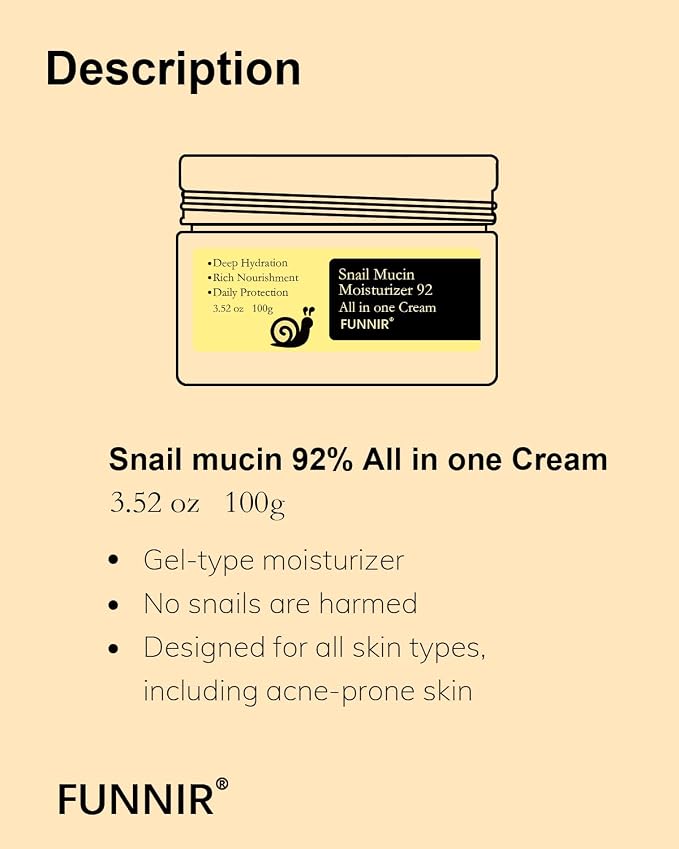 FUNNIR Snail Mucin Moisturizer 92%
Infused with 92% of snail mucin, FUNNIR cream builds a moisturizing barrier to plump and hydrate skin. It instantly soothes damaged skin and delivers moisture deep into your skin.…
See it →
FUNNIR Snail Mucin Moisturizer 92%
Infused with 92% of snail mucin, FUNNIR cream builds a moisturizing barrier to plump and hydrate skin. It instantly soothes damaged skin and delivers moisture deep into your skin.…
See it →
As outdoor enthusiasts flock to state parks, trail-side screen addiction has reached an all-time high. Hikers frequently stop mid-trail to pull out smartphones and run image recognition software to identify trees, insects, and wildflowers—a habit many feel completely ruins the point of escaping into nature.
In response, one developer created a widget-based application designed to shift scientific learning off the trail and onto the home screen. By pulling local, seasonally relevant wildlife data through public biodiversity APIs, the app serves passive digital flashcards throughout the workweek. The goal? To teach hikers local taxonomy while they glance at their phones during office hours, so the device can stay buried in a backpack once they reach the trail head.
Whether through an unexpected face-to-face encounter with a million-dollar fossil or passive biological flashcards on a phone screen, the debate remains the same: how do we best cultivate genuine wonder in the natural world?
Our hosts jump headfirst into this debate on the latest episode of the podcast.