The Night Orion's Shoulder Faded: Inside the Stargazer Chaos Behind the Great Betelgeuse Mystery
The Night Orion's Shoulder Faded: Inside the Stargazer Chaos Behind the Great Betelgeuse Mystery · Avonetics
 Sony WH-1000XM5 headphones
Whether you work in a noisy office or travel often, Sony WH-1000XM5 headphones deliver outstanding noise cancellation and exceptional comfort. They are ideal for anyone who wants to stay focused or enjoy rich, detailed audio anywhere. Check out the link in the episode description.
Learn more →
Sony WH-1000XM5 headphones
Whether you work in a noisy office or travel often, Sony WH-1000XM5 headphones deliver outstanding noise cancellation and exceptional comfort. They are ideal for anyone who wants to stay focused or enjoy rich, detailed audio anywhere. Check out the link in the episode description.
Learn more →
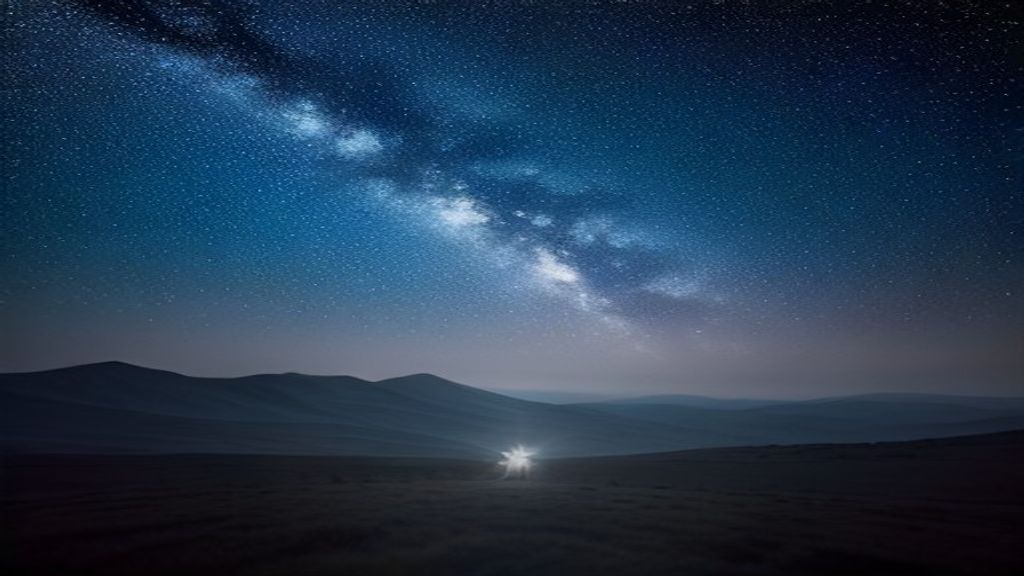
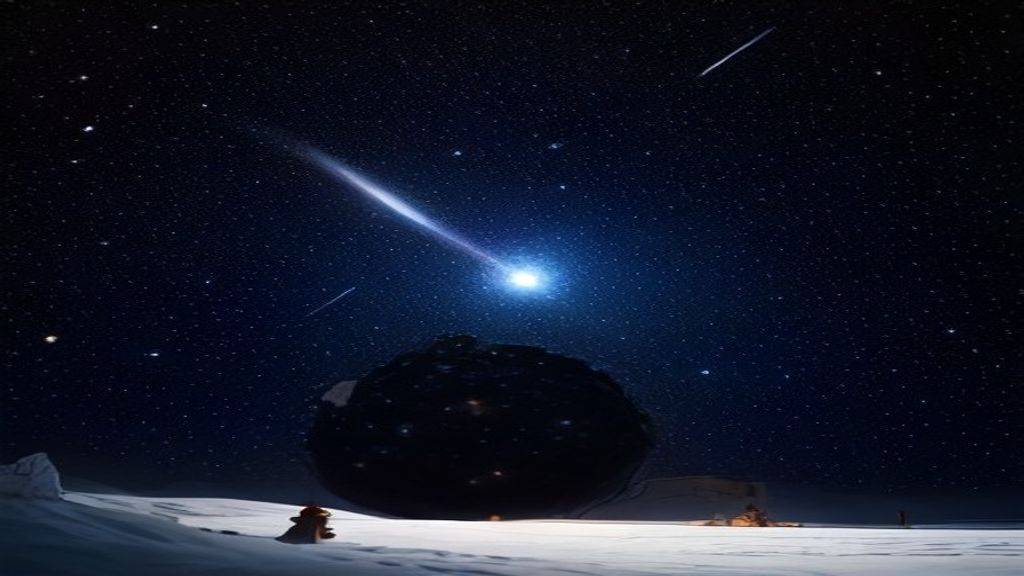
In late 2019, stargazers stepping into their backyards noticed something eerie about the constellation Orion. The star defining its upper left shoulder, Betelgeuse, looked sick. Normally a brilliant, glowing orange point of light ranking among the sky's absolute brightest, the colossal red supergiant was dimming at an alarming rate.
Within weeks, online stargazing communities turned into chaotic war rooms. Amateurs logged into observational databases to share visual reports that seemed impossible. The star was fading so fast that by early February 2020, it dropped past magnitude 1.6, reaching its faintest mark in modern history. The internet quickly seized on one terrifyingly awesome prospect: Betelgeuse was going supernova.
 Read nextCode, Stars, and Moonlit Scars: Inside the WebGL Rebuild of Asteria and the Viral Andromeda Stacking War
While academic observatories scrambled to secure emergency time on giant facilities like the Very Large Telescope in Chile, backyard astronomers rushed out into freezing sub-zero nights to keep eyes on the sky. The urgency sparked pure physical mayhem. One observer recalled cracking a high-end telescope lens after carrying a warm setup straight into a sub-zero yard. Another reported a drive gear snapping in two after cold grease froze solid inside an automated mount.
Despite the mechanical casualties, amateur observers kept pumping thousands of crucial photometric data points into scientific databases. While professional setups missed critical observational windows due to scheduling constraints, the global network of backyard rigs filled every gap.
Meanwhile, an intellectual battle raged across astronomy forums. One side insisted that the sudden drop in brightness meant internal core collapse was underway, arguing humanity was about to witness a historic, daytime-visible cosmic explosion. Others countered that stellar physics operates on long timescales, claiming the star was simply experiencing an enormous outer-atmosphere blowout.
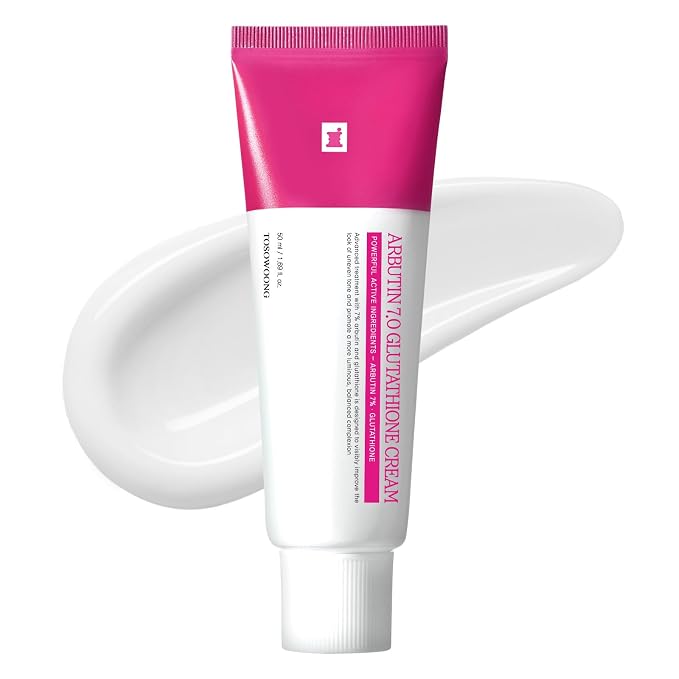 TOSOWOONG Arbutin 7% Glutathione Cream
Formulated with a powerful blend to help fade dullness, discoloration, uneven tone, and dark spots—even the most stubborn concerns—for skin that looks clearer, more balanced, and c…
See it →
TOSOWOONG Arbutin 7% Glutathione Cream
Formulated with a powerful blend to help fade dullness, discoloration, uneven tone, and dark spots—even the most stubborn concerns—for skin that looks clearer, more balanced, and c…
See it →
When space telescopes finally locked eyes on Betelgeuse, the data favored the dust-burp theory. A massive bubble of superhot plasma had blasted out of the star's churning interior, cooled as it pushed into deep space, and turned into a thick dust cloud that temporarily blocked the star's light from Earth.
Yet, the story does not end cleanly. Ever since Betelgeuse recovered its light, its natural rhythm has been completely broken. Its long-standing 400-day brightness heartbeat collapsed into a bizarre 200-day pulse, leaving astrophysicists guessing what the star will do next.
The hosts on Deep Space break down every freezing night, shattered mirror, and mind-bending astrophysical theory behind this cosmic drama in the latest episode.
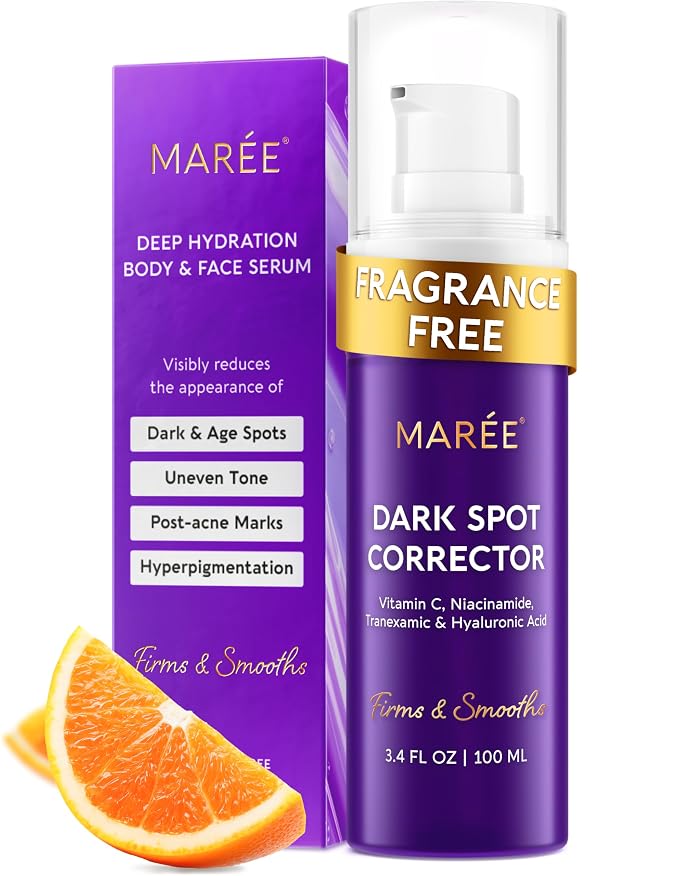 MAREE Dark Spot Remover for Face
Dark Spot Corrector for Face & Body – Lightweight, hydroquinone-free MAREE serum helps improve the look of black & brown spots, melasma-prone areas, freckles, and uneven tone for a…
See it →
MAREE Dark Spot Remover for Face
Dark Spot Corrector for Face & Body – Lightweight, hydroquinone-free MAREE serum helps improve the look of black & brown spots, melasma-prone areas, freckles, and uneven tone for a…
See it →