Code, Stars, and Moonlit Scars: Inside the WebGL Rebuild of Asteria and the Viral Andromeda Stacking War
Code, Stars, and Moonlit Scars: Inside the WebGL Rebuild of Asteria and the Viral Andromeda Stacking War · Avonetics
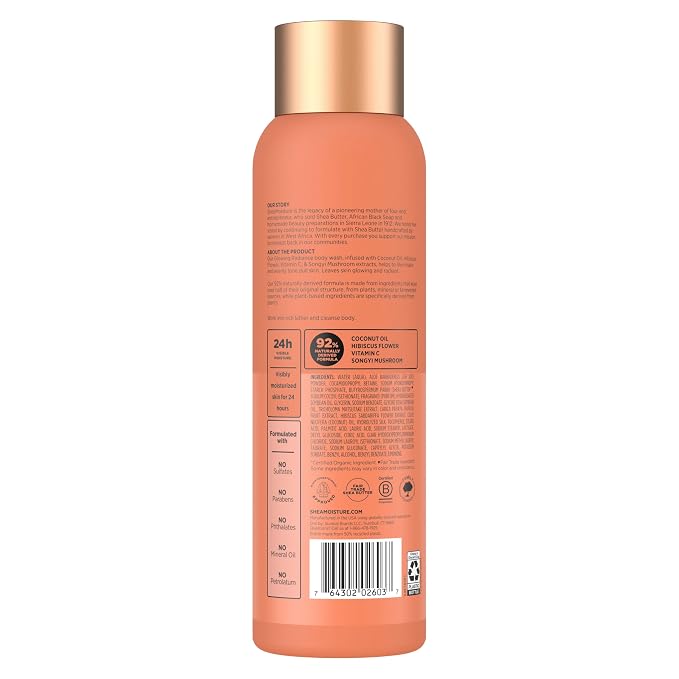 Shea Moisture Coconut Hibiscus Body Wash
SheaMoisture's Glowing Radiance Coconut & Hibiscus Body Wash, designed for melanin-rich skin, provides visibly moisturized skin for 24 hours.. Infused with Coconut Oil, Hibiscus Fl…
See it →
Shea Moisture Coconut Hibiscus Body Wash
SheaMoisture's Glowing Radiance Coconut & Hibiscus Body Wash, designed for melanin-rich skin, provides visibly moisturized skin for 24 hours.. Infused with Coconut Oil, Hibiscus Fl…
See it →
Building software for night-sky observers is a ruthless test of efficiency. When indie developer and skygazer Asteria first launched a browser-based stargazing map, the goal was simple: make real-time celestial tracking accessible to anyone with a smartphone. But rendering thousands of stars through traditional vector SVG graphics quickly proved disastrous. On budget mobile devices, frame rates plunged, panning stuttered, and field usability vanished.
Refusing to let the project die, the developer initiated a complete ground-up rewrite, jettisoning SVG graphics in favor of a high-performance WebGL engine. The results were instantaneous. Smooth, high-frame-rate star charts began running effortlessly across low-spec phones, unlocking a massive set of advanced features for night-sky enthusiasts.
 Read nextFrom Failed Meteor Hunts to Ocean Space Salvage: When Cosmic Plans Go Off-Script
The overhauled app now renders over 17,500 stars down to magnitude 7.5, along with more than 300 double star systems. To assist stargazers fighting unpredictable cloud cover, the developer introduced a unique weather analysis engine. Asteria aggregates and compares four independent meteorological forecast models in real time, plotting average, best-case, and worst-case cloud coverage graphs alongside dynamic object visibility scores.
Yet, while software can calculate perfect observing windows, real-world astrophotography presents compromise-filled dilemmas that no algorithm can easily solve. Alongside the software update, a high-stakes capture debate has captured the attention of deep-sky imaging communities.
An astrophotographer using an unmodified Nikon D3400 and an Askar FMA180 Pro refractor captured 11 hours and 22 minutes of crisp exposure data on the Andromeda Galaxy (M31) from a Bortle 6 location. However, they hold an additional three nights of data captured under a glaring full moon. The dilemma? Whether blending those moon-flooded, high-gradient exposures into the stack will lower image noise or permanently ruin the contrast of Andromeda's faint dust lanes.
The community has split into two passionate factions over how to handle compromised photon data.
 DAE Signature Beaming Body Wash
BENEFITS - This energizing body wash softens, nourishes, and leaves skin looking radiant. Infused with Cactus Water, desert botanical AHAs and a healthy dose of vitamins and antiox…
See it →
DAE Signature Beaming Body Wash
BENEFITS - This energizing body wash softens, nourishes, and leaves skin looking radiant. Infused with Cactus Water, desert botanical AHAs and a healthy dose of vitamins and antiox…
See it →
One commenter argued strongly in favor of stacking all available data, asserting that modern digital tools can isolate and remove heavy background glow. With advanced background gradient extraction software, extra integration hours significantly reduce background thermal noise, allowing faint outer galaxy structure to emerge cleanly.
Another observer vigorously disagreed, advocating for strict quality control over raw exposure time. They argued that moonlit skies severely wash out faint contrast that no mathematical extraction tool can restore. Blending high-sky-glow frames into pristine dark-sky exposures dilutes overall signal-to-noise ratios, often introducing blotchy color casts and unnatural artifacts around delicate dust clouds.
Whether working with WebGL code or fine-tuning galaxy exposures under light-polluted skies, modern stargazing sits squarely at the intersection of technological power and raw natural observation.
Our podcast hosts unpack both sides of this cosmic imaging debate and deliver their final verdict on this week's episode of Deep Space.