The Green Bubble War Finally Ends: Inside Apple’s New Messaging Upgrade

The Green Bubble War Finally Ends: Inside Apple’s New Messaging Upgrade · Avonetics
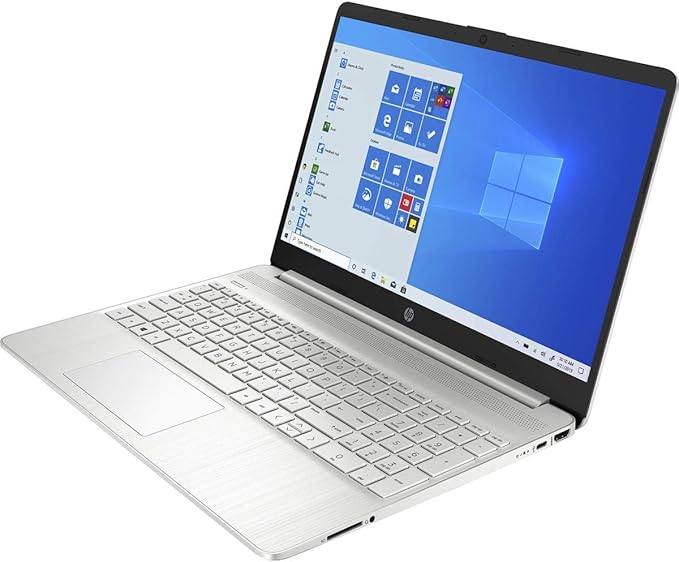 HP 15-inch Touchscreen Laptop
BIOS Recovery and Protection: Automatically checks the health of your PC, protects against unauthorized access, secures local storage and recovers itself from bootup issues. Fast b…
See it →
HP 15-inch Touchscreen Laptop
BIOS Recovery and Protection: Automatically checks the health of your PC, protects against unauthorized access, secures local storage and recovers itself from bootup issues. Fast b…
See it →
For over a decade, few things in mobile technology have caused as much social friction as the humble green text bubble. iPhone users attempting to communicate with Android friends have endured broken group chats, missing video quality, and frustrating plain-text alerts like 'Liked an image' instead of clean emoji reactions. Next month, that legacy friction officially takes a major step backward as the upcoming system update introduces real inline replies and native tapback reactions for green chat threads.
With the upcoming software release, responding to a text from a non-Apple device becomes as smooth as typing inside a native blue thread. Users can simply press and hold a message, select reply, or swipe right across the text to initiate a direct inline response. Emoji reactions will now display as intended icons on both ends of the conversation rather than generating annoying automated text notifications.
 Read nextXiaomi Drops 3nm Chip Bombshell as Waymo Parked Cars Trigger Neighborhood Surveillance Alarm
While everyday phone owners are celebrating the end of broken group messages, the announcements have ignited a fierce debate within the technology community regarding who is actually responsible for the long delay.
Critics argue that the slow evolution of cross-platform messaging was a deliberate business strategy designed to protect corporate ecosystem boundaries. One commenter noted that it feels absurd for basic messaging features to take over a decade to reach parity, arguing that platform lock-in was prioritized over consumer convenience until external pressure forced change.
Defenders of the platform contend that the narrative ignores technical realities. Another insider pointed out that the new features rely directly on the RCS 3.0 specification, an industry standard that was only finalized last year. Because RCS features require cellular carriers to upgrade their individual network infrastructure before mobile software can support them, advocates argue that device manufacturers were simply bound by industry timelines.
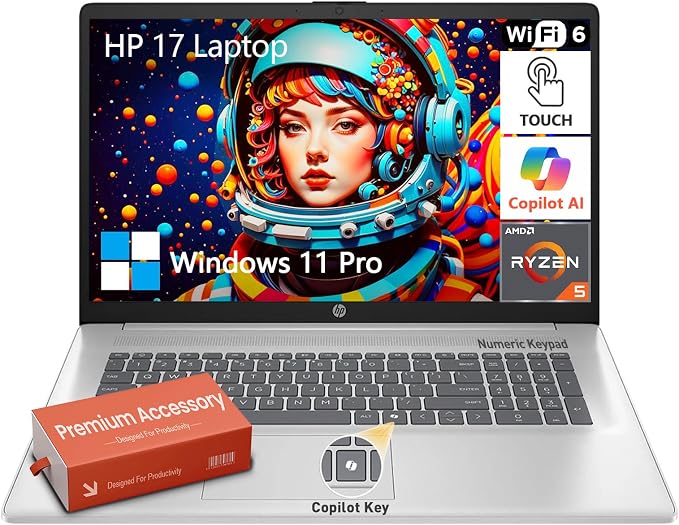 HP 17 Laptop Touchscreen
The HP touchscreen laptop packs an AI-enhanced AMD Ryzen 5 processor with 6 cores to handle gaming, video editing, coding, and more—perfect for business, college students, creators…
See it →
HP 17 Laptop Touchscreen
The HP touchscreen laptop packs an AI-enhanced AMD Ryzen 5 processor with 6 cores to handle gaming, video editing, coding, and more—perfect for business, college students, creators…
See it →
Meanwhile, international observers view the entire dispute with amusement, noting that outside North America, third-party messaging platforms solved cross-platform compatibility years ago without reliance on carrier SMS systems.
Adding to the dynamic week in mobile hardware, surprise leaks of the unreleased Honor Turbo 5G have also surfaced online, giving tech enthusiasts an unexpected early look at upcoming high-performance mobile devices before their official reveal.
Our podcast hosts unpack every layer of this messaging showdown and hardware leak on this week's episode of Circuit Breaker.
 HP 15.6" FHD Touchscreen Laptop Computer
Powerful Performance: Features an AMD Ryzen 7 7730U processor and 16GB DDR4 RAM for enhanced speed, multitasking, and creative work.. Vibrant Display: Equipped with a 15.6-inch Ful…
See it →
HP 15.6" FHD Touchscreen Laptop Computer
Powerful Performance: Features an AMD Ryzen 7 7730U processor and 16GB DDR4 RAM for enhanced speed, multitasking, and creative work.. Vibrant Display: Equipped with a 15.6-inch Ful…
See it →