Xiaomi Drops 3nm Chip Bombshell as Waymo Parked Cars Trigger Neighborhood Surveillance Alarm

Xiaomi Drops 3nm Chip Bombshell as Waymo Parked Cars Trigger Neighborhood Surveillance Alarm · Avonetics
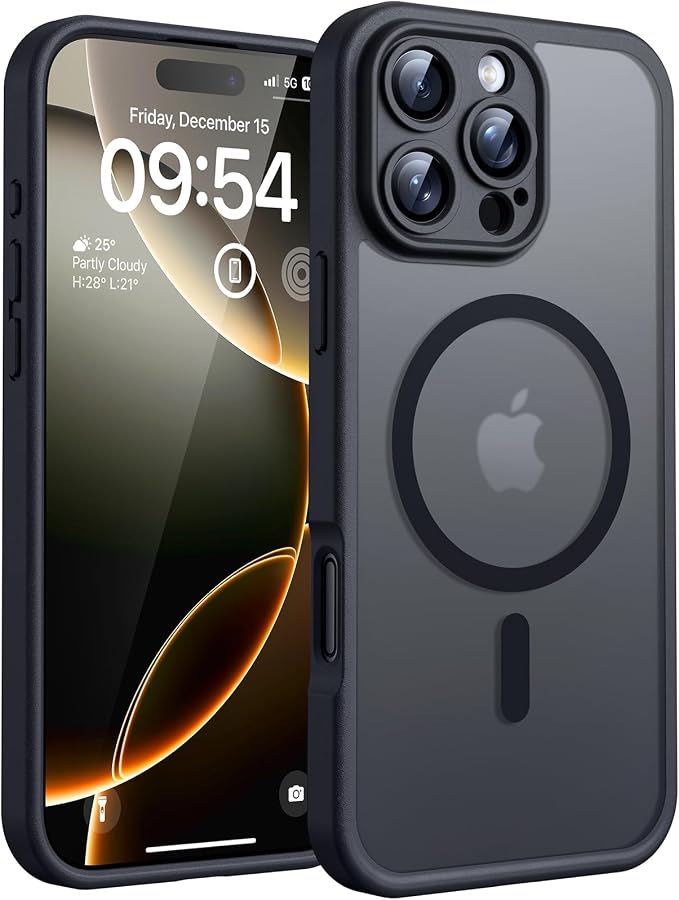 TOCOL for iPhone 16 Pro Case
Strong Built-in Magnets: Built-in 18N ultra-strong magnets (for iPhone 16 Pro, 6.3-inch). Its magnetic attraction reaches 2500 gf, which is almost 7.5X stronger than ordinary. Neve…
See it →
TOCOL for iPhone 16 Pro Case
Strong Built-in Magnets: Built-in 18N ultra-strong magnets (for iPhone 16 Pro, 6.3-inch). Its magnetic attraction reaches 2500 gf, which is almost 7.5X stronger than ordinary. Neve…
See it →
Tech giant Xiaomi has officially stunned the mobile industry by pulling back the curtain on its flagship custom processor, the Xring O3. Scheduled to debut inside the upcoming Xiaomi 18 Fold release window, this bleeding-edge system-on-chip represents a massive leap forward for non-traditional silicon designers. Built on TSMC's acclaimed 3-nanometer manufacturing node, the processor features a ten-core CPU architecture running up to 4.35 gigahertz, a 16-core graphics engine, and a 200 TOPS Neural Processing Unit tailored explicitly for running local AI models on-device.
Initial performance claims are sending shockwaves through the hardware community, with preliminary figures topping 5 million points on the AnTuTu Version 11 benchmark suite. The chip also holds the distinction of being the first mobile platform designed to support LPDDR6 memory standards. Industry observers note that the move signals a direct challenge to established silicon giants, providing consumer devices with heavy-duty local machine learning compute power that operates entirely offline.
Read nextRedaction Wars: How to Safely Erase PDFs and Photos—and Why One Company's Mass Surveillance Network Just Lost Its War on PrivacyHowever, the rollout has sparked intense debate among hardware analysts and power users. Skeptics have raised immediate questions regarding the location of the previously rumored O2 processor, as well as the missing details regarding cellular modem integration. More critically, industry observers are pointing out a growing scandal regarding evaluation units. Critics claim that mobile manufacturers frequently send carefully curated golden silicon samples to tech reviewers and online influencers, yielding benchmark figures that retail consumers rarely experience on mass-production units.
One industry commentator pointed out that without third-party retail verification, benchmark numbers mean very little if real-world thermal throttling degrades everyday performance. Others argued that regardless of benchmark controversy, establishing a viable 3nm alternative in the market forces much-needed price and innovation competition across the mobile sector.
 Ailun Screen Protector + Camera Lens
It is 100% brand new, High Definition, preserve the way of stunning HD Display, but also with maximum protection! Protect the Screen against dust, scratches and shocks by coating t…
See it →
Ailun Screen Protector + Camera Lens
It is 100% brand new, High Definition, preserve the way of stunning HD Display, but also with maximum protection! Protect the Screen against dust, scratches and shocks by coating t…
See it →
Meanwhile, high-tech hardware tension has migrated from mobile devices directly into quiet residential neighborhoods. In Nashville, local residents raised alarm over autonomous Waymo vehicles parked for extended durations along suburban curbsides. Parents expressed deep concern over high-definition cameras, lidar sensors, and optical arrays mounted on parked driverless cars, fearing continuous recording of families, license plates, and children playing in front yards.
Representatives for Waymo responded to public pushback by insisting that parked data collection is strictly constrained and not engineered to monitor pedestrians or private homes. Despite those assurances, civil liberty advocates argue that passive sensor collection in residential neighborhoods creates unprecedented surveillance exposure without public consent.
On the latest episode of Circuit Breaker, our hosts square off over whether Xiaomi's benchmark numbers are marketing illusion or real innovation, and whether autonomous vehicle companies have gone too far in neighborhood mapping.