TELESCOPE EXPLODES IN DESERT: Stargazer’s $30,000 Nightmare Uncovers Impossible Deep-Space Flash!
TELESCOPE EXPLODES IN DESERT: Stargazer’s $30,000 Nightmare Uncovers Impossible Deep-Space Flash! · Avonetics
A routine midnight stargazing run turned into an absolute nightmare high in the mountain air of West Texas when a massive custom-built telescope primary mirror literally exploded due to sudden freezing temperatures.
Astronomer Marcus Vance spent four years hand-polishing and constructing his dream 28-inch deep-sky telescope. But as a freezing arctic air mass swept across his desert observing site, dropping temperatures by nearly 40 degrees in minutes, catastrophic thermal stress took over. The high-end glass substrate cracked under the violent contraction of its metal support frame, shattering $30,000 worth of precision engineering into sharp shards.
 Read nextCode, Stars, and Moonlit Scars: Inside the WebGL Rebuild of Asteria and the Viral Andromeda Stacking War
Yet, as Vance collected the ruins of his custom rig, he realized his camera recorder was still intact. What he found on the very last exposure shot right before the explosion has ignited a massive debate across the global astronomy community.
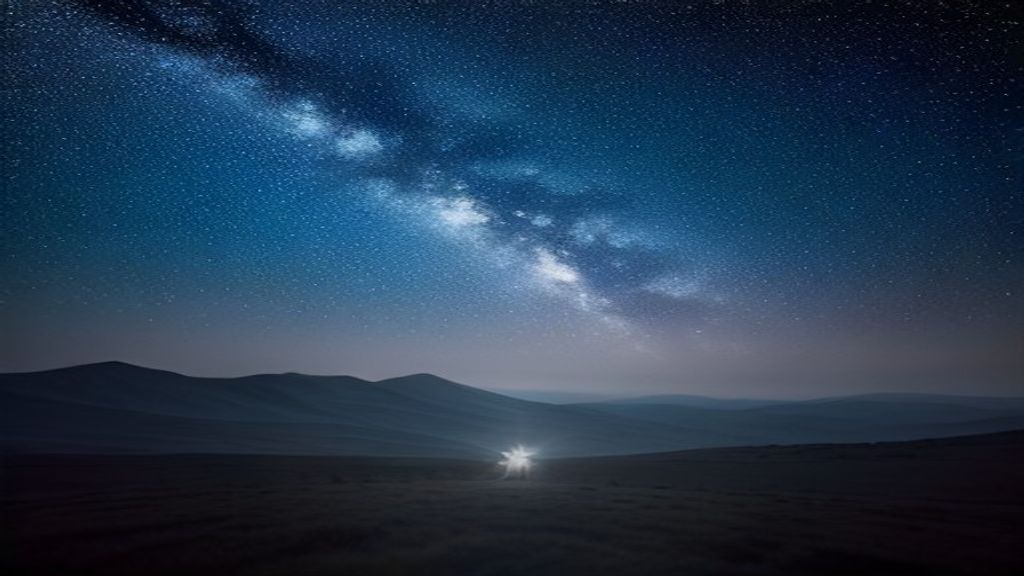
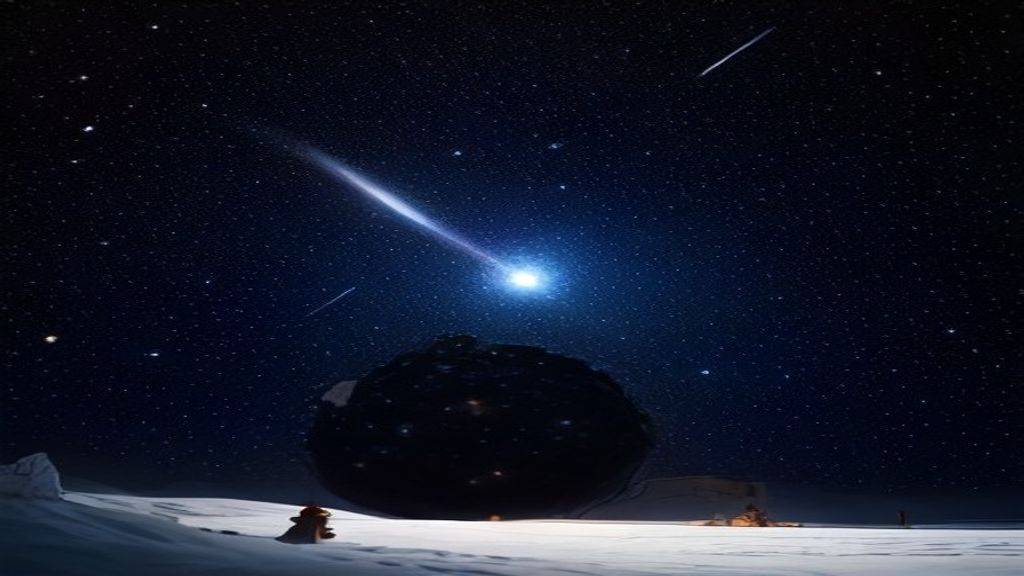
The final frame captured a dazzling, ultra-rare light flash right near the Cygnus Loop nebula. The object flared up from complete pitch-black darkness to a bright magnitude 13.8 point of light, held steady for just over 40 seconds, and vanished into thin air.
When Vance posted his raw image files online to seek answers, stargazing forums went into absolute meltdown. Hundreds of digital image specialists and backyard observers immediately began forensic analysis on the computer files to prove whether the photo was real or an optical ghost.
One commenter noted that the lack of light streaks completely rules out standard space junk or tumbling satellites, which leave long smears on long-exposure photos. Another argued that the light curve matches an exotic gamma-ray burst or a rare deep-space optical transient, suggesting the exploded telescope caught a once-in-a-lifetime cosmic explosion.
Some skeptics still wonder if the micro-fractures forming in the glass mirror just before it imploded created a strange refraction artifact that faked the light flash. However, secondary calibration logs from a smaller tracking scope mounted on the side showed the exact same mysterious light flash at the precise target coordinates.
With professional observatories now reviewing their own archival data for the Cygnus region, backyard observers are hailing the event as proof that amateur stargazers are capturing history.
The hosts on Deep Space roll up their sleeves to debate whether this was a true deep-sky explosion or the ultimate hardware optical illusion on this week's episode.