Suburban Stargazer Captures Jaw-Dropping Nebulae—While Fuel Debate Reshapes Future Spaceflight

Suburban Stargazer Captures Jaw-Dropping Nebulae—While Fuel Debate Reshapes Future Spaceflight · Avonetics
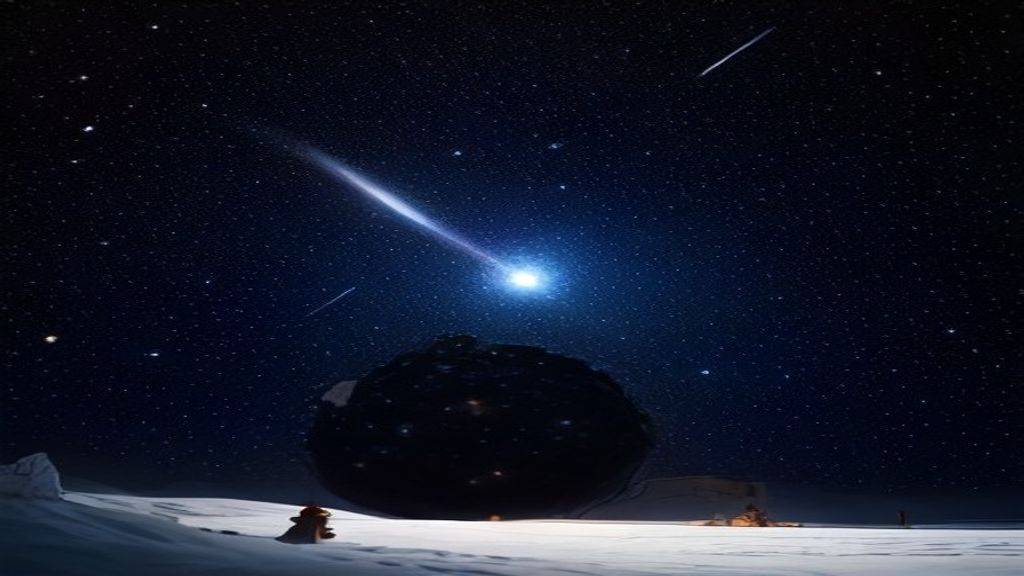
In the humid night air of Fort Mill, South Carolina, an amateur astronomer pulled off a remarkable feat of backyard space imaging, capturing the vast North America and Pelican Nebulae from a suburban yard inundated with light pollution.
Using a compact refractor telescope and a specialized dual-narrowband filter, the stargazer logged over three and a half hours of exposure time on the Cygnus constellation. Through precise calibration and digital processing, the raw astronomical data was transformed into a stunning visual landscape, featuring custom gold and rose filaments of ionized gas.
 Read nextCode, Stars, and Moonlit Scars: Inside the WebGL Rebuild of Asteria and the Viral Andromeda Stacking War
Rather than adhering strictly to standard color mapping, the astronomer synthesized specific wavelengths of Hydrogen-alpha and Oxygen-III light. This custom technique highlights delicate structural details within the distant stellar nurseries while keeping the foreground stars in their natural color palette.
One observer noted that this creative processing brings an almost cinematic depth to deep-sky photography, showing how modern equipment allows suburban observers to rival professional observatories. Another viewer pointed out that while artistic color choices enhance visual appeal, retaining traditional scientific color standards remains crucial for true data representation.
Yet, looking at these light-years-wide gas clouds raises a fundamental question: how will humanity ever travel far enough to explore such celestial wonders up close? For decades, science fiction literature has championed Helium-3 fusion as the ultimate rocket propellant for deep space travel.
In reality, theoretical physicists and aerospace engineers are locked in a debate over whether Helium-3 is a practical goal or an overhyped sci-fi trope. While Helium-3 fusion produces clean energy without dangerous neutron radiation, the isotope is virtually non-existent on Earth. Harvesting it would require colossal, multi-billion-dollar mining operations on the surface of the Moon.
Many scientists argue that Deuterium-Tritium fusion represents a far more achievable milestone. Deuterium can be easily extracted from ocean water, and the technology to achieve its ignition temperature is vastly closer to commercial reality, despite requiring heavier radiation shielding for spacecraft.
Our podcast hosts unpack this exact debate on the latest episode, weighing artistic deep-sky imaging against the harsh engineering realities of reaching the stars.