Desert Chases and 30-Hour Exposures: Inside the Wild World of Extreme Astronomy
Desert Chases and 30-Hour Exposures: Inside the Wild World of Extreme Astronomy · Avonetics
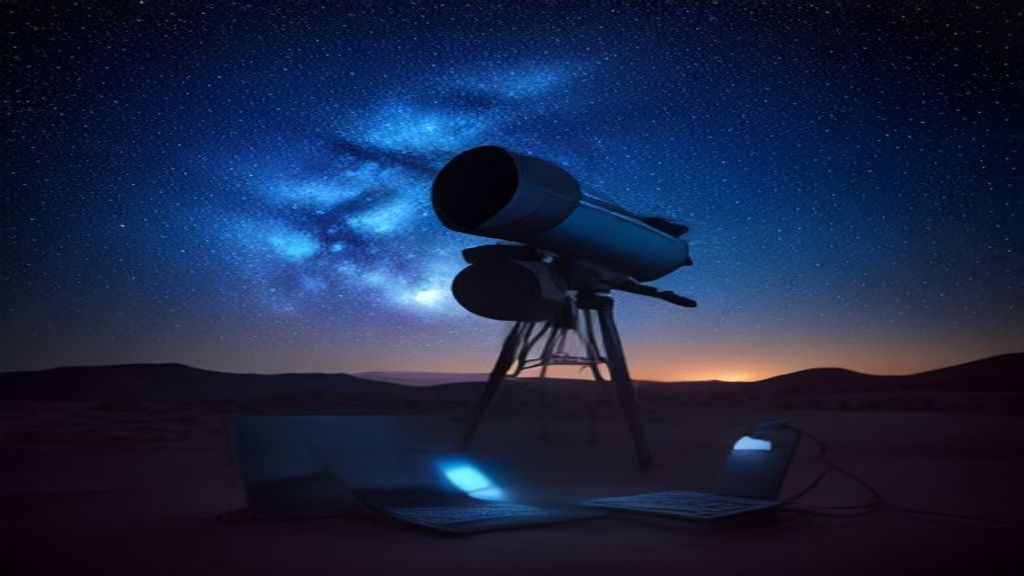
There is a fine line between passion and obsession, and the amateur astronomy community walks it every single night. Right now, stargazers are packing their cars with high-end tracking mounts and solar filters, setting course for the arid desert expanses of Spain. Their goal is absolute perfection: positioning themselves along the path of totality for an upcoming solar eclipse, far removed from urban light pollution and unpredictable weather.
For these dedicated observers, getting the shot means leaving nothing to chance. Driving hundreds of miles into remote scrublands around Burgos is simply the cost of doing business when you want a guaranteed view of cosmic alignment. Yet, as eclipse chasers map out their desert itineraries, others are reminded of how unevenly distributed cosmic luck can be. Local residents living directly in the path of totality report that their entire preparation involves taking a brisk walk up a nearby hill to enjoy an unobstructed 180-degree horizon.
 Read nextCode, Stars, and Moonlit Scars: Inside the WebGL Rebuild of Asteria and the Viral Andromeda Stacking War
This stark divide between extreme effort and casual luck extends far beyond solar eclipses. In the realm of deep-sky astrophotography, the quest for perfection often takes on a life of its own. Consider the recent saga of an imager targeting the Veil Nebula, an intricate supernova remnant drifting through deep space.
Capturing the Veil in all its subtle glory required ten full nights of exposure time. Operating a specialized setup featuring a William Optics RedCat 51 scope, a cooled color camera, and dual-band narrowband filters, the photographer accumulated nearly thirty hours of raw data across 356 individual five-minute sub-exposures.
Collecting the data was only half the battle. What followed was a complex digital marathon using advanced processing software. The imager ran background extractions, specialized star-stripping algorithms, spectrophotometric color calibration, and separate enhancements for hydrogen-alpha and oxygen-III gas channels. The resulting image reveals glowing red and turquoise tendrils of galactic debris with staggering clarity.
Yet, despite holding a near-masterpiece on screen, the creator faces the ultimate astronomer's dilemma: is thirty hours enough, or should another twenty hours be poured into the target? Community members remain divided. One commenter argued that extreme integration times are necessary to capture the faintest wisps of interstellar dust, while another insisted that after thirty hours, additional exposure time yields diminishing returns that few viewers will ever appreciate.
Whether chasing shadows across Spanish deserts or spending ten nights capturing a single gas cloud, the passion driving these cosmic pursuers is undeniable.
The hosts of Deep Space get into it this fiery debate on the podcast, weighing extreme technical pursuit against pure astronomical joy.