Beyond Borders: The Great Global Book Hunt - Are You Reading Wide Enough?
Beyond Borders: The Great Global Book Hunt - Are You Reading Wide Enough? · Avonetics
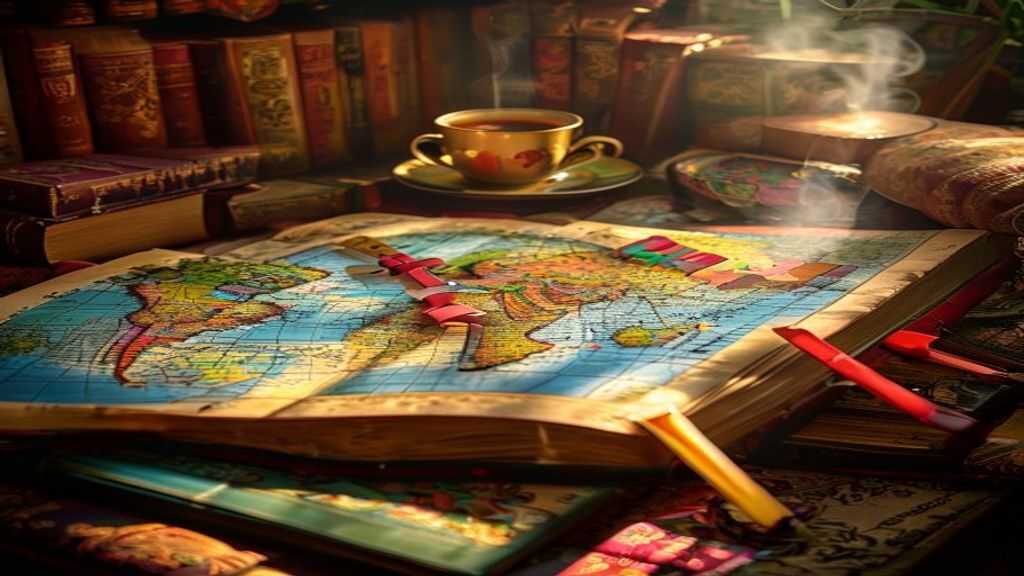
A reader embarks on an ambitious literary journey, aiming to expand their reading beyond US authors and stories. The goal is clear: discover books by authors from countries other than the United States, ideally with the narrative taking place in the author's home country. This quest is driven by a desire for authenticity and a hunger for diverse perspectives, particularly from Indigenous voices and lesser-known writers.
"I'm open to any genre, but especially enjoy nonfiction," the reader states, emphasizing a preference for books that offer a window into different cultures and experiences. After finding existing book communities' recommendations outdated, the reader seeks fresh suggestions for authors, titles, and their countries, tribes, or First Nations.
 Read nextIs 'Piranesi' Ruined by Modern Theories? Readers Clash Over Fantasy's Boldest Twist
The community's response is immediate and overwhelming, showering the reader with a cascade of global literary treasures. From Argentinian surrealism to Scottish family sagas, Irish queer narratives, and Canadian Indigenous tales, the suggestions span continents and genres. "I love that you have recommended authors and books from around the world," the grateful reader comments, their reading list undoubtedly expanding at an exponential rate.
However, this surge of recommendations quickly illuminates two distinct approaches to global reading.
One camp enthusiastically embraces the challenge of unearthing truly obscure, geographically diverse, and culturally aligned authors. They champion the spirit of discovery, highlighting writers like Conceição Evaristo, a Black Brazilian author whose fiction offers profound social critique, or Chantal T Spitz, an Indigenous Tahitian writer whose work is based on real historical events. "No book has so perfectly captured the experience of being queer in small town Ireland as Sunburn by Chloe Michelle Howarth," one commenter raves, emphasizing the unique cultural snapshot these books provide.
This group argues that the purest form of diversification comes from stepping entirely outside the comfort zone of mainstream or even well-known international literature. They advocate for voices such as Jessica Johns (nehiyaw) and Waubgeshig Rice (Anishinaabe), whose stories offer vital Indigenous perspectives, and unique narrative styles like Catherine Chidgey's "The Axeman's Carnival," told from the point of view of a tame Australian Magpie.
Your brand, right here.Reach story-obsessed listeners in 45+ languages → advertise on AvoneticsOn the other side, a second camp, while fully supporting global reading, suggests a broader definition of "non-US" literature. They argue that impactful and important international works, even if more widely recognized or covering historical events, should not be excluded. This camp highlights the value of powerful historical non-fiction, like Ursula von Kardorff's "Diary of a Nightmare: Berlin, 1942-1945" or Agnès Humbert's "Résistance: A Woman's Journal of Struggle and Defiance in Occupied France."
"Anne Frank: The Diary of a Young Girl" and "First They Killed My Father" are cited as essential reads that transcend strict criteria, offering invaluable insights into global history and human experience. This perspective also includes celebrated international authors like Gabriel García Márquez with "100 Years of Solitude" or Manuel Puig's "Kiss of the Spider Woman," arguing that their profound contributions to world literature make them indispensable additions to any diverse reading list.
The core of the discussion revolves around what truly constitutes a diverse reading list: Is it about discovering the absolute newest and most niche international voices, or about embracing a wider spectrum of impactful global literature, including some that might already be widely acclaimed? The community grapples with balancing the thrill of discovery against the enduring power of established international works.
Our hosts dig into this very question on the show, debating the best path to literary global citizenship.