Is 'Piranesi' Ruined by Modern Theories? Readers Clash Over Fantasy's Boldest Twist
Is 'Piranesi' Ruined by Modern Theories? Readers Clash Over Fantasy's Boldest Twist · Avonetics
 Amazon Physical Gift Card
 · Home
See it →
Amazon Physical Gift Card
Amazon Physical Gift Card · Home
See it →
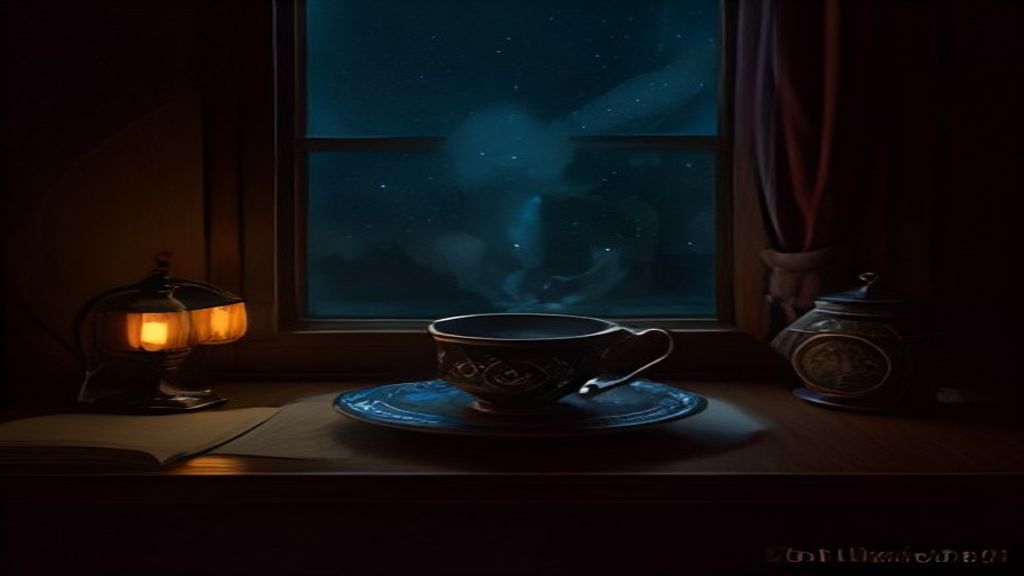
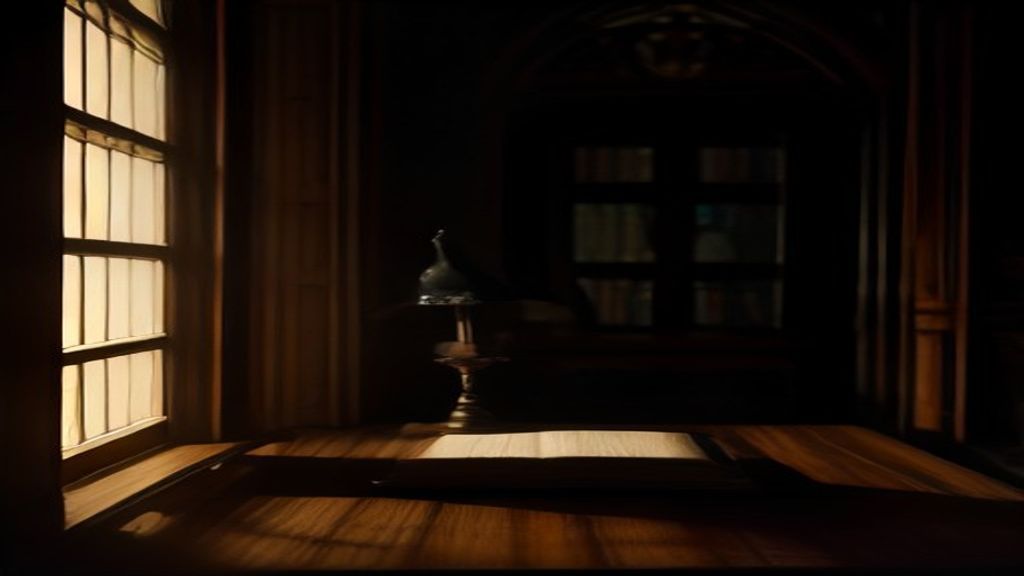
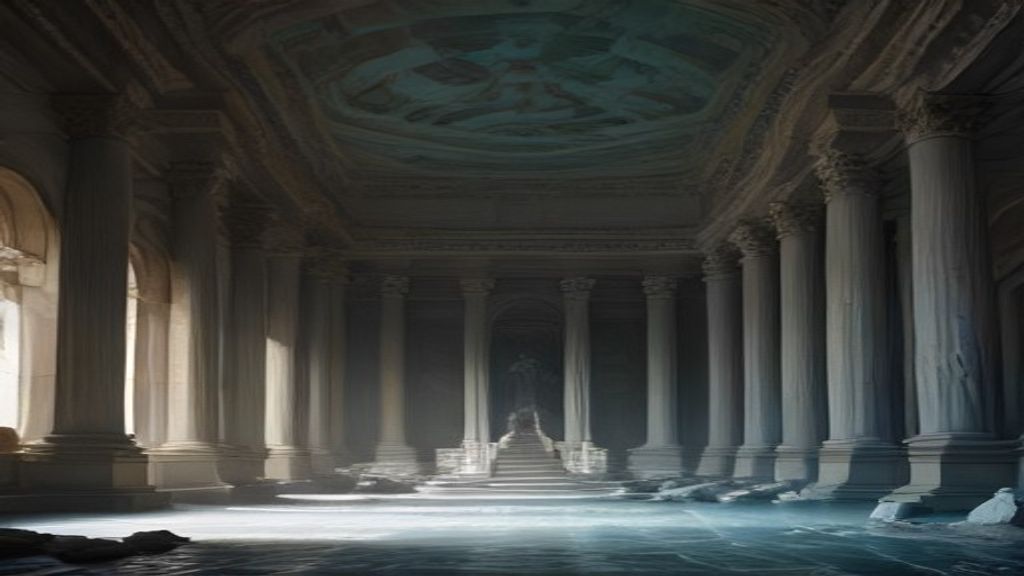
Few modern novels have captured the literary imagination quite like Susanna Clarke’s Piranesi. Set in an infinite, hall-filled House where ocean tides crash through lower levels and clouds drift through upper vestibules, the story follows a gentle protagonist who cares for the dead, tracks the tides, and lives in complete harmony with his surroundings. But as reading communities continue to analyze the text, a fierce debate has broken out over how to interpret the novel's core mystery.
On one side of the divide stand readers who view the House as a genuine, literal alternate dimension or spiritual sanctuary. For these fans, the narrative is an exploration of wonder, divine peace, and pre-Enlightenment innocence. They express mounting frustration with theories that reduce the setting to a psychological coping mechanism or a hallucination born from trauma.
 Read nextHe Hated 'The Hobbit' as a Preteen — Until He Read It to His Toddler and Realized He Was Completely Wrong
One reader argued that labeling the House as a mental health metaphor is among the laziest interpretations of modern fiction. They noted that turning a sacred, magical realm into an imaginary mental retreat flattens the narrative into a glorified 'it was all a dream' twist. Another commenter added that the House functions much like a non-denominational spiritual presence—indifferent, terrifying, and vast—offering Piranesi a state of oneness and ego death that modern society denies us.
However, a second group of readers pushes back, asserting that grounding the story in physical reality renders it far more moving. Many point to Clarke’s personal journey with myalgic encephalomyelitis/chronic fatigue syndrome (ME/CFS), an illness that left her housebound for years during the writing of the book.
One reader bedridden with ME shared that reading the novel felt like seeing their own daily reality reflected on the page. For this group, viewing the House as an allegory for chronic illness or psychological recovery does not rob the story of its magic. Instead, it highlights the immense, quiet resilience required to build a meaningful life inside a constricted, overwhelming world.
 Amazon Gift Card Balance Reload
 · Home
See it →
Amazon Gift Card Balance Reload
Amazon Gift Card Balance Reload · Home
See it →
This tension between pure magical escapism and real-world resonance isn't unique to fiction. It reflects our broader human need to find meaning within isolation—a theme that echoes sharply in non-fiction masterpieces like Patrick Radden Keefe’s The Snakehead. Keefe’s detailed account of human smuggling and the 1993 Golden Venture disaster similarly examines how human beings navigate, survive, and adapt to terrifyingly vast, indifferent structures.
Whether readers choose to view Clarke's marble halls as a literal realm of gods or a profound reflection of human endurance, one thing remains clear: Piranesi continues to provoke deeply personal responses.
Our podcast hosts get into it both sides of this literary showdown in today's episode of Plot Twist.
 SUPFINE Magnetic for iPhone SE Case
Super Magnetic Attraction: Powerful built-in magnets, easier place-and-go wireless charging and compatible with MagSafe. Compatibility: Only compatible with iPhone SE/8; precise cu…
See it →
SUPFINE Magnetic for iPhone SE Case
Super Magnetic Attraction: Powerful built-in magnets, easier place-and-go wireless charging and compatible with MagSafe. Compatibility: Only compatible with iPhone SE/8; precise cu…
See it →