Basement Nightmare: Renter Discovers Secret Mouse Dungeon Behind Cracked 1870 Wooden Door
Basement Nightmare: Renter Discovers Secret Mouse Dungeon Behind Cracked 1870 Wooden Door · Avonetics
Living in a historic home often comes with charming architectural details, but for one renter in Wisconsin, moving into an 1870s rental house yielded a terrifying surprise behind the basement bedroom wall.
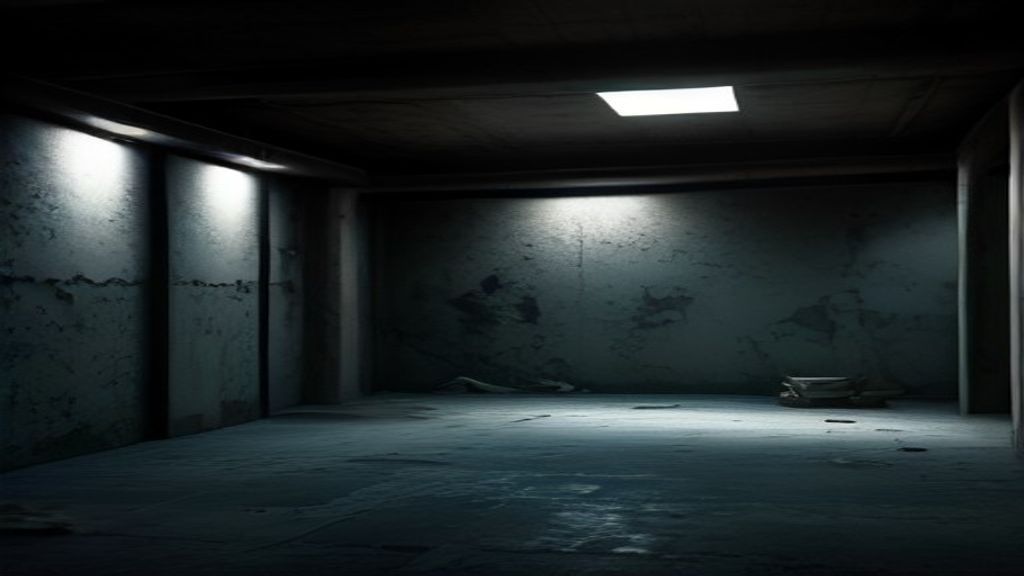
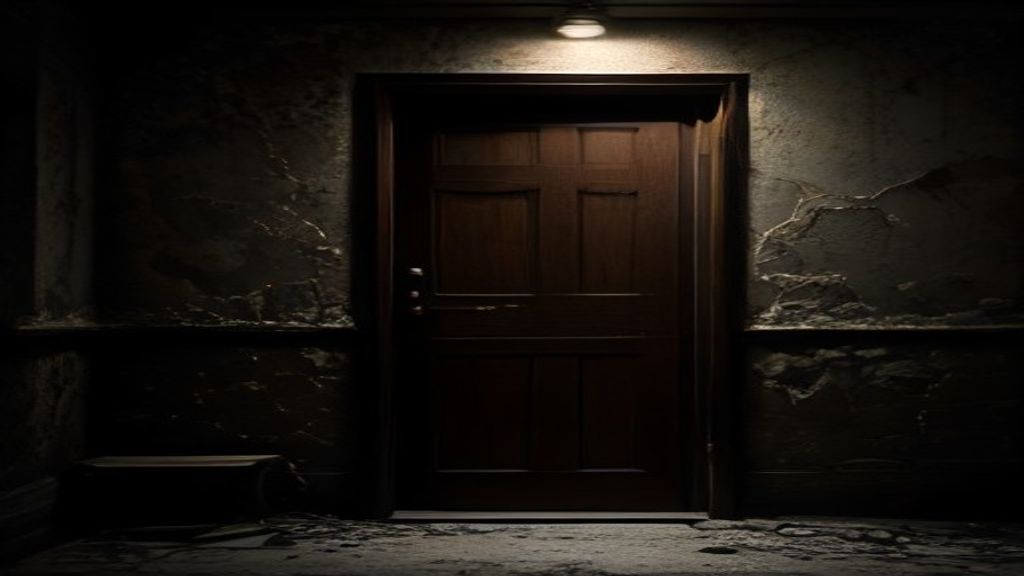
Connected directly to the sleeping quarters sits a massive, decaying wooden door riddled with deep structural cracks. Beyond the door lies an abandoned concrete room overflowing with rodent droppings, discarded furniture, and wall-to-wall graffiti left by years of former fraternity tenants. With exterior fissures rendering the concrete chamber impossible to fully seal, mice have been freely migrating through the cracked door straight into the tenant's living space.
 Read nextUnderground Nightmare: Homeowner Unearths Shattered, Ant-Infested Irrigation System on One-Third Acre Property
Desperate for a solution that keeps rodents out without forfeiting a security deposit under an indifferent landlord, the tenant sought practical advice on how to secure an ancient door against persistent pests.
Community members quickly split on the best course of action. One observer urged the renter to bypass quick fixes entirely and contact state regulatory authorities, noting that housing laws mandate rodent-free premises and recommending formal legal filings through consumer protection portals. Another practical builder suggested installing aluminum soffit panels or metal kickplates along the bottom of the frame alongside heavy weatherstripping to physically block teeth and claws.
Other experienced DIYers pushed for immediate tactical measures, advocating for dense steel wool stuffed tight into every crevice, reinforced with wire mesh and covered by removable weather-seal tape to create an instant physical barricade.
As if subterranean pest control were not enough, the environmental chaos escalated further when the same tenant battled a bizarre indoor climate disaster. After enduring years of mysterious illnesses, a digital hygrometer revealed bedroom moisture levels soaring between 70 and 85 percent.
The tenant responded by running a heavy-duty dehumidifier continuously for a full year, pulling up to four liters of water out of the air daily. However, after shutting the unit off five months ago, the indoor climate swung violently in the opposite direction. Moisture levels plunged to a bone-dry 25 percent in the peak of summer, leaving the occupant with a dry cough, irritated throat, and sleepless nights while running the air conditioner.
Indoor air quality specialists note that running high-capacity dehumidifiers non-stop for extended periods can thoroughly desiccate structural lumber, drywall, and subflooring, causing the building itself to act as a giant sponge that absorbs all remaining ambient moisture.
On the latest episode of Rough Cut, our hosts debate whether tenants should rely on official legal channels or trust guerilla DIY hardware hacks when home improvement turns into a full-blown survival exercise. Hear the full breakdown on the podcast.