From Painted Caps to Oily Garage Timber: Crafters Face Down High-Stakes DIY Disasters
From Painted Caps to Oily Garage Timber: Crafters Face Down High-Stakes DIY Disasters · Avonetics
 DREO Fan for Bedroom
𝙐𝙡𝙩𝙧𝙖 𝙋𝙤𝙬𝙚𝙧𝙛𝙪𝙡 𝘼𝙞𝙧 𝘾𝙞𝙧𝙘𝙪𝙡𝙖𝙩𝙤𝙧 𝘽𝙮 𝙐𝙥𝙜𝙧𝙖𝙙𝙚𝙙: Compared with previous DREO fan for bedroom, the 2026 upgraded air circulator fan for whole room powered by DREO's advanced airflow tech…
See it →
DREO Fan for Bedroom
𝙐𝙡𝙩𝙧𝙖 𝙋𝙤𝙬𝙚𝙧𝙛𝙪𝙡 𝘼𝙞𝙧 𝘾𝙞𝙧𝙘𝙪𝙡𝙖𝙩𝙤𝙧 𝘽𝙮 𝙐𝙥𝙜𝙧𝙖𝙙𝙚𝙙: Compared with previous DREO fan for bedroom, the 2026 upgraded air circulator fan for whole room powered by DREO's advanced airflow tech…
See it →
It begins with a pristine white baseball cap, a fine-tip paintbrush, and a high-stakes dream of razor-sharp graphic design. But as any seasoned maker or weekend crafter knows, the leap from a clean paper sketch to wearable custom art is riddled with unexpected material hazards.
A dedicated creator recently set out to transfer a clean, single-color lineart logo directly onto the front panel of a stiff twill cap. Skirting around chunky, store-bought fabric markers that lack sharp precision, the artist planned to lay down a faint pencil outline and hand-brush standard acrylic paint. However, the unforgiving reality of textile physics quickly sparked a wave of project panic.
 Read nextUnderground Nightmare: Homeowner Unearths Shattered, Ant-Infested Irrigation System on One-Third Acre Property
Unlike smooth paper or stretched canvas, baseball cap fabric possesses a distinct woven texture—known in the textile world as nap—that catches fine paintbrushes, disrupts fluid movement, and causes sharp lines to feather outward into fuzzy disasters. Furthermore, without specialized additives, raw acrylic paint dries into a hard, brittle plastic shell. The moment the cap flexes on a wearer's head, or the moment an unexpected rainstorm hits, the unconditioned paint risks cracking, flaking, or running straight down the brim.
A wave of community feedback quickly offered crucial material science advice. One experienced artist stressed that incorporating a dedicated fabric medium is non-negotiable because it preserves paint flexibility after drying, ensuring the design can handle outdoor exposure without flaking. Another veteran painter pointed out that cotton twill absorbs paint moisture at an alarming rate, shortening brushstrokes and ruining long, fluid lines. The overwhelming recommendation? Grab a throwaway hat from a local thrift store to practice brush technique and moisture control before risking the real project.
Yet, this obsession with precision crafting is not limited to textiles. In an equally ambitious weekend saga, a woodworker embarked on constructing a custom balance bike from scratch for his young daughter. The chosen lumber was anything but ordinary: salvaged old-growth pine harvested directly from the rafters of a 1960s garage roof tear-out, complete with half a century of steeped motor oil aroma and garage fumes.
The intricate build process kicked off in digital space. The maker mapped out the bike frame in CAD software, printed full-scale paper templates, and glued them directly onto the rough-cut roof timber. What followed was a masterclass in power-tool geometry: slicing curves with a small bandsaw, grinding down the tank and body on a heavy disc sander, and drilling precise pivot holes with a pillar drill.
 Ring Battery Doorbell 4K Pro
Capture it all with Retinal 4K video — From wide views to tighter focus, it’s easy to see your home or business in the ultimate clarity with Retinal 4K.. Zoom in up to 10x — Catch…
See it →
Ring Battery Doorbell 4K Pro
Capture it all with Retinal 4K video — From wide views to tighter focus, it’s easy to see your home or business in the ultimate clarity with Retinal 4K.. Zoom in up to 10x — Catch…
See it →
To seal the ancient wood, the maker applied standard polyurethane and coated accent details in ultra-durable coach enamel paint. Despite the stunning visual outcome, finishing tasks remain—including grinding down exposed bolt ends, crafting a custom leather seat, and painting a custom frame logo.
While observers marveled at the incredible CAD-to-workshop translation, the build sparked intense debate over material safety. Critical voices questioned whether standard polyurethane is truly capable of permanently locking in fifty years of petroleum residue, or if the vintage garage smell signals chemical off-gassing right beneath a toddler's leather saddle.
From stiff cotton twill nap to oily vintage pine, both projects showcase the razor-thin line between DIY perfection and catastrophic material miscalculation.
Our hosts unpack all the drama, technique debate, and workshop chaos on this week's episode of Rough Cut.
 Albott Mini Split Air Conditioner
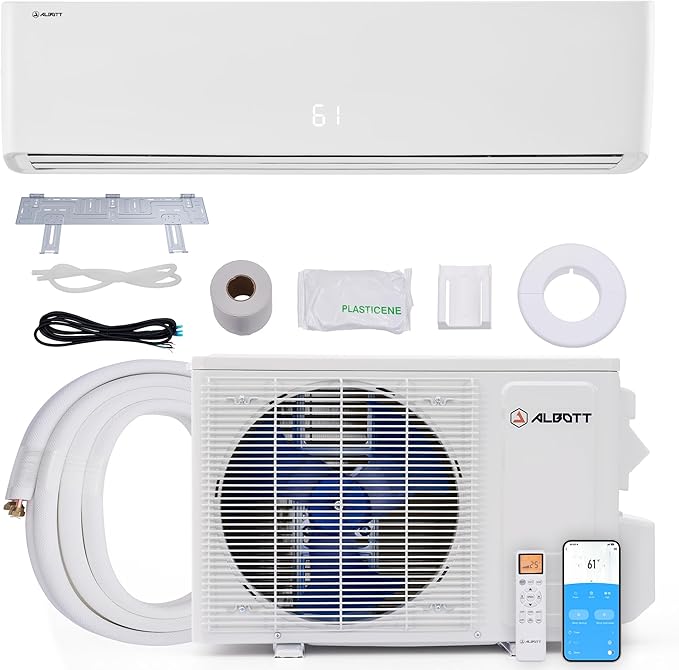
All-in-One Comfort Control: This mini split AC/heating system offers cooling, heating, dehumidifying, and fan modes with adjustable 61°F–90°F temperature settings, along with a 24…
See it →
Albott Mini Split Air Conditioner
All-in-One Comfort Control: This mini split AC/heating system offers cooling, heating, dehumidifying, and fan modes with adjustable 61°F–90°F temperature settings, along with a 24…
See it →