Basement DIY Meltdown: How a Simple Laundry Drain Sparked a Heavy Machinery War
Basement DIY Meltdown: How a Simple Laundry Drain Sparked a Heavy Machinery War · Avonetics
 COOFANDY Men's Summer Beach Outfits 2
COOFANDY Men
See it →
COOFANDY Men's Summer Beach Outfits 2
COOFANDY Men
See it →
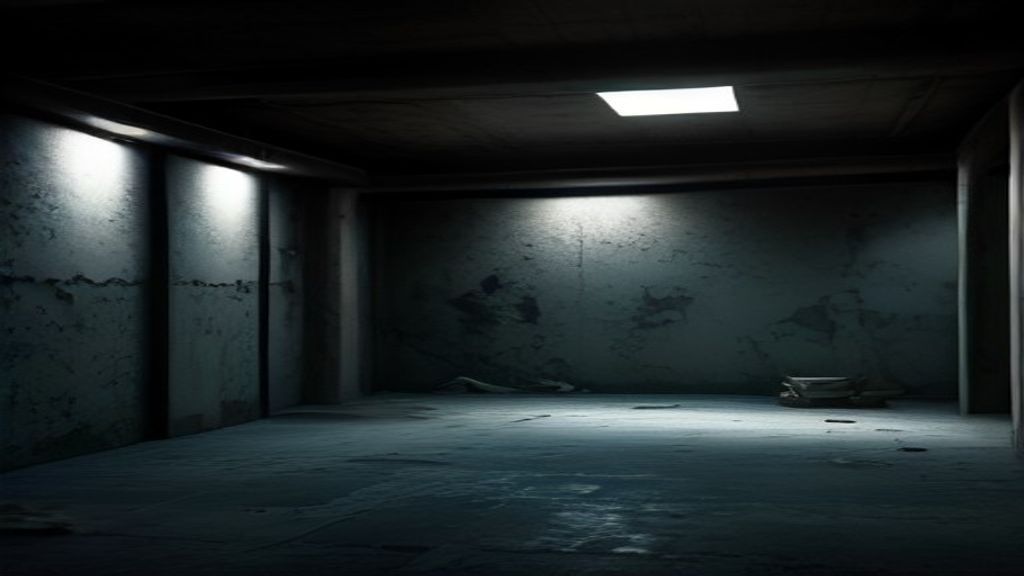
It started as a modest weekend goal: move the laundry room from the main floor down to an unfinished basement to reclaim valuable square footage upstairs. A local plumber gave the homeowner a clear assignment to save on labor costs—cut a six-foot trench into the concrete slab floor for the new drain lines, then prepped the walls for insulation. What seemed like a routine DIY task quickly descended into an paralyzing standoff between mechanical brute force and safety over-analysis.
The initial plan was straightforward enough: rent a concrete saw to score neat boundaries, bust up the middle with a demolition hammer, and patch the floor with fresh cement. But after digging into modern safety guidelines, the project suddenly felt like a biohazard containment operation. Guidance warned of toxic crystalline silica dust clouds requiring industrial HEPA extractors, air scrubbers, negative pressure window fans, and extreme caution around load-bearing foundation footings.
 Read nextUnderground Nightmare: Homeowner Unearths Shattered, Ant-Infested Irrigation System on One-Third Acre Property
Community opinion quickly fractured into two wildly different schools of thought. One experienced builder urged the homeowner to throw away the concrete saw entirely, calling dry-sawing an absolute dust nightmare inside a residence. The solution? Rent a heavy-duty jackhammer, bypass the saw dust altogether, and break the slab into manageable chunks. While the edges would be jagged and irregular, fresh concrete could easily be feathered into the trench later. As for structural footings, this camp insisted residential foundations are overbuilt and capable of taking a few hits.
However, another faction of seasoned renovators strongly disagreed, advocating for surgical precision. They argued that a wet concrete saw completely suppresses airborne dust while delivering straight, professional borders. By scoring lines and prying up neat eight-inch blocks with a wrecking bar, a DIYer maintains full control over the job without risking damage to nearby footings or creating an uneven patching disaster.
 Men's 2 Piece Outfit Textured Short
Babioboa Men
See it →
Men's 2 Piece Outfit Textured Short
Babioboa Men
See it →
To make matters worse, the project hit a second roadblock at the basement walls. Facing an 85-year-old poured concrete foundation showing minor efflorescence and peeling sealer, the homeowner planned to glue two-inch rigid foam board directly against the concrete before framing 2x4 stud walls. While standard building science recommends direct contact to eliminate air gaps where humid air condenses against cold masonry, critics warned this strategy creates a blind spot. On an antique foundation, direct-glued foam can trap subtle moisture leaks, concealing rot and mold behind fresh drywall for years before it is discovered.
Whether brute force triumphs over delicate precision remains one of the most fiercely debated dilemmas in home improvement.
On the latest episode of Rough Cut, our hosts square off over concrete saws versus jackhammers and reveal whether direct-contact wall insulation is a smart upgrade or a ticking mold bomb.
 Plaud NotePin S Wearable AI Voice
Plaud Intelligence: Capture conversations in 112 languages and generate accurate transcripts with the Plaud App and Web. Plaud Intelligence uses leading models like GPT-5.5, Claude…
See it →
Plaud NotePin S Wearable AI Voice
Plaud Intelligence: Capture conversations in 112 languages and generate accurate transcripts with the Plaud App and Web. Plaud Intelligence uses leading models like GPT-5.5, Claude…
See it →