Ancient Fungal Curses and Superbug Myths: Inside the Wild Biological Hazards Threatening Public Health
Ancient Fungal Curses and Superbug Myths: Inside the Wild Biological Hazards Threatening Public Health · Avonetics
 Fahrenheit 451
 · Home
See it →
Fahrenheit 451
Fahrenheit 451 · Home
See it →
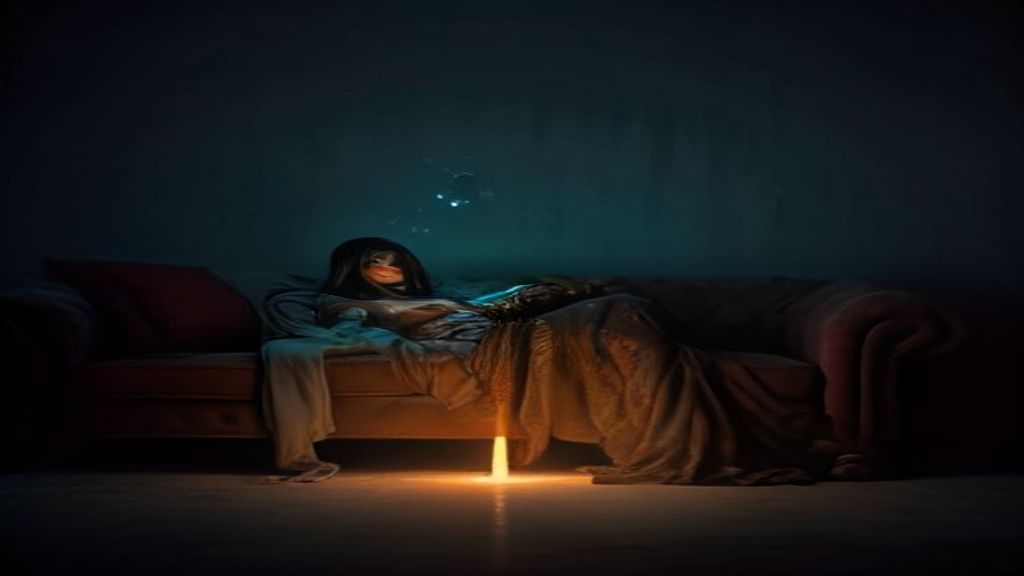
A shocking intersection of illegal artifact trading and public health ignorance is sparking heated debate across the scientific community. Uncontained ancient human mummies are appearing on public e-commerce sites and social media marketplaces, bought by wealthy collectors who display them in unventilated living rooms without protective glass casings.
Microbiologists are raising the alarm that these unsealed human remains harbor dormant fungal spores like Aspergillus, capable of surviving thousands of years in sealed tombs. Inhaling these revived spores can cause severe aspergillosis, a deadly pulmonary infection that historical researchers believe was the true cause behind the legendary 'Mummy's Curse' that claimed the life of Lord Carnarvon after opening King Tutankhamun's tomb.
 Read nextLab Drama Unleashed: Veteran Scientist’s 50-Year Stem Cell Claim Sparks Fiery Online Backlash!
One researcher noted that seeing ancient human remains kept in uncontrolled private indoor climate settings is a biosecurity nightmare. Without proper containment, airborne fungal spores circulate freely, posing infection risks to buyers, shipping couriers, and anyone breathing the surrounding air.
At the same time, discussions surrounding microbial threats have highlighted a startling gap in public science literacy, even among future medical professionals. A pre-med student recently sparked widespread debate by asking how bacteria could develop antibiotic resistance if an antibiotic was taken for a viral infection where no target pathogen was present.
Science communicators were quick to clarify the mechanics of selection pressure. When an individual takes an antibiotic for a viral illness like the cold or flu, the drug travels through the bloodstream and destroys millions of harmless, commensal bacteria living in the gut microbiome.
 Verity
 · Home
See it →
Verity
Verity · Home
See it →
However, any naturally resistant bacteria surviving the antibiotic sweep now have unlimited space and resources to thrive. Through horizontal gene transfer, these resistant microbes can share their survival genes with incoming pathogenic bacteria, turning an innocent gut into a training ground for dangerous superbugs.
While some experts argue that mold risks from artifacts are overblown compared to everyday airborne microbes, others insist that both black-market mummies and antibiotic misuse reflect a dangerous disregard for microbial evolution.
Our podcast hosts unpack this exact biological showdown on this week's episode of Culture Shock, debating whether ancient spores or modern medical misunderstandings pose the bigger threat to our future.