The Great Rot Mystery: Why Nature Refuses to Clean Up Its Own Mess
The Great Rot Mystery: Why Nature Refuses to Clean Up Its Own Mess · Avonetics
 UNBREAKcable 2-Pack Screen Protector for iPhone
Compatible Design: Designed for iPhone 12 and iPhone 12 Pro with open edge design that does not interfere with the front camera and Face ID. These protectors are slightly smaller t…
See it →
UNBREAKcable 2-Pack Screen Protector for iPhone
Compatible Design: Designed for iPhone 12 and iPhone 12 Pro with open edge design that does not interfere with the front camera and Face ID. These protectors are slightly smaller t…
See it →
Walk into any introductory biology lecture, and you will hear a comforting story about the natural world. Ecosystems are self-regulating machines. Every leaf that falls, every animal that dies, and every scrap of biological tissue is promptly devoured by bacteria, fungi, and scavengers to be recycled back into the grand wheel of life.
Except when it doesn't.
 Read nextThe Great Lab Exodus: When Academic Mentorship Turns Into Unpaid Therapy
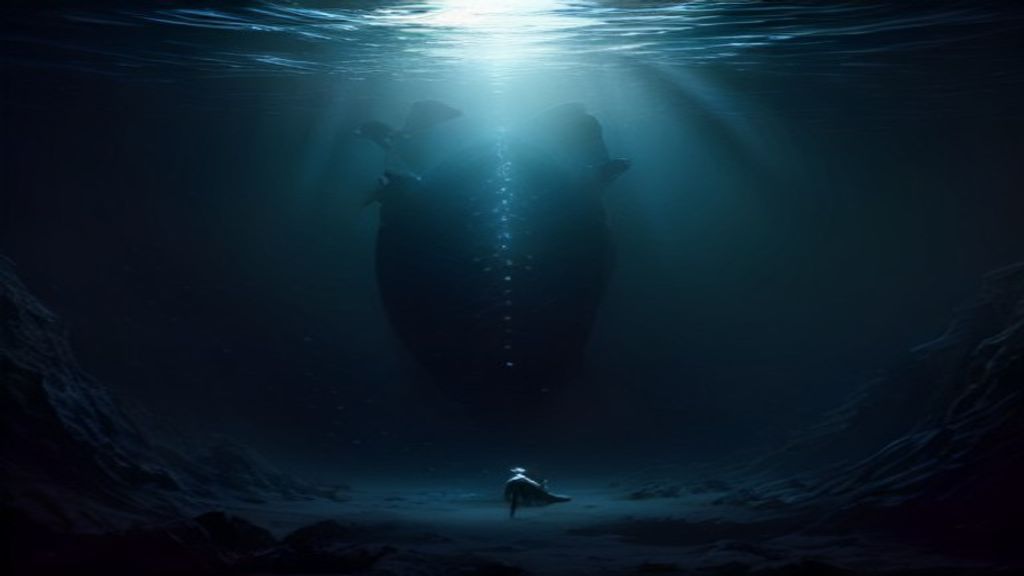
Across the globe, field biologists and geneticists are running into stubborn anomalies that challenge our romantic visions of ecological harmony. Certain bird carcasses sit untouched in forest clearings for weeks while scavengers actively avoid them. Massive whale falls sink miles into the oceanic abyss, lingering for decades as decay crawls at a snail's pace. Entire plant species build chemical structures so tough that local microbes refuse to digest them.
This gap between biological theory and reality raises a provocative question: Is nature actually self-balancing, or are we confusing delayed decay with grand design?
One scientific perspective suggests that delayed decomposition is not a mistake, but a crucial feature of planetary health. One observer noted that when a massive whale dies and sinks to the abyssal plain, its slow decay creates a time-released energy duster for deep-sea creatures that receive no sunlight. Without these slow-dripping carbon oases, entire benthic ecosystems would collapse, altering ocean currents and global nutrient transport.
However, a sharper evolutionary counter-argument suggests we are misinterpreting simple accidents as master plans. Someone else argued that living organisms evolve tough cell walls, dense bones, and antimicrobial chemicals purely to survive while alive. When they die, those protective traits linger as post-mortem leftovers. Decay resistance isn't an intentional ecological service; it is just a leftover defense mechanism that decomposers haven't figured out how to crack yet.
History supports this chaotic view. During the Carboniferous period, early trees evolved lignin, a tough organic polymer that gave wood its strength. For nearly sixty million years, no fungus or bacterium possessed the enzymes needed to digest it. Forests died, stacked up, and sat un-decayed for millions of years, eventually compressing into the coal deposits we burn today. Nature wasn't balanced—it was stuck in an evolutionary traffic jam.
 SKYLMW Compatible with iPhone 12/13 Pro
Magnetic O-Ring Kickstand - Made of Aerospace-grade aluminum, the O-stand is practical and multifunctional for daily use. It can be adjusted between 40°-120° for a stable, hands-fr…
See it →
SKYLMW Compatible with iPhone 12/13 Pro
Magnetic O-Ring Kickstand - Made of Aerospace-grade aluminum, the O-stand is practical and multifunctional for daily use. It can be adjusted between 40°-120° for a stable, hands-fr…
See it →
This same unpredictability extends right down to human inheritance. Geneticists working with polygenic traits—like skin pigmentation, hair texture, and eye color—frequently observe stunning phenotypic variations between full siblings born to the same parents.
Because complex physical traits are governed by dozens of distinct genetic loci, meiotic recombination acts like a wild card deck. Two Black parents with no recent mixed-race ancestry can pass down completely different combinations of ancestral alleles to their children. One child may inherit a combination of alleles resulting in deep, rich skin tone and tightly coiled hair, while a full sibling receives a combination yielding light skin and loose waves.
Far from following a simple blending model, human inheritance highlights the same lesson found in forest floors and ocean trenches: nature is a messy, historical lottery rather than a neat, predictable formula.
Our podcast hosts dig into this exact story and battle over nature's missing balance on this week's episode.