72-Hour Work Weeks in the Lab? Inside the Controversial '996' Push Shaking Up Biotech
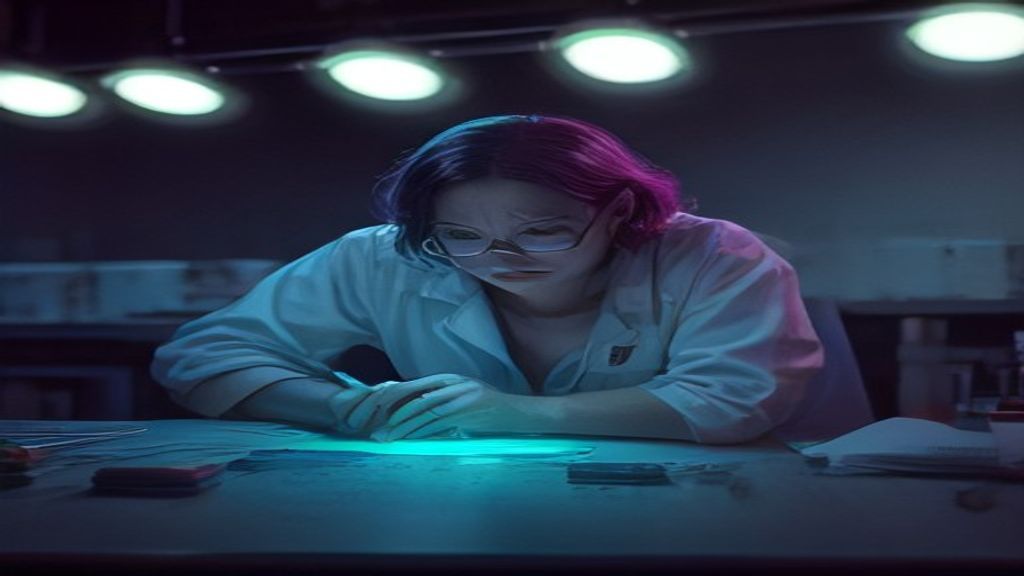
72-Hour Work Weeks in the Lab? Inside the Controversial '996' Push Shaking Up Biotech · Avonetics
 TOSHIBA Rice Cooker & Steamer Simple
Family Size Capacity: This rice cooker with 5.5 cups rice capacity is perfectly suited for a family. It can serve a family gathering for 1-5 people, ensuring everyone gets a delici…
See it →
TOSHIBA Rice Cooker & Steamer Simple
Family Size Capacity: This rice cooker with 5.5 cups rice capacity is perfectly suited for a family. It can serve a family gathering for 1-5 people, ensuring everyone gets a delici…
See it →
Imagine sitting through a routine job interview for a life sciences research position, expecting standard questions about assay protocols and cell culture maintenance, only to hear the hiring manager present a staggering requirement: a 996 schedule.
For those unfamiliar with the term borrowed from overseas tech giants, 996 demands that employees work from 9:00 AM to 9:00 PM, six days a week. That totals 72 hours every week—demanding nearly half of a worker's total awake existence. While tech executives historically championed the grind to ship software code faster, its creeping arrival in biotechnology has sparked severe pushback from bench scientists and research professionals.
 Read nextLab Drama Unleashed: Veteran Scientist’s 50-Year Stem Cell Claim Sparks Fiery Online Backlash!
Critics point out an obvious flaw in applying tech productivity metrics to wet labs: biological organisms do not care about corporate timelines. A three-day cell incubation or in vivo study cannot be accelerated by forcing a researcher to sit at a desk until late Saturday evening. Instead, forced overtime in a laboratory setting creates a far more dangerous hazard: acute human fatigue.
In complex bench science, tired workers make catastrophic mistakes. A single moment of brain fog caused by sleep deprivation can lead a technician to leave expensive reagents at room temperature overnight or mistitle a batch of samples, instantly wiping out months of painstaking progress and hundreds of thousands of dollars in venture backing.
Furthermore, industry veterans warn that extreme workplace pressure historically correlates with an uptick in compromised data. When overworked researchers face harsh penalties for mistakes made while exhausted, the temptation to cover up errors or fabricate clinical trial data rises dramatically—a pattern previously documented in large-scale regulatory audits of high-pressure research environments.
 Le'raze Glass Microwave Splatter Cover
Use this pure glass splatter guard lid to cover your food plate, bowl, or meal prep container in the microwave and avoid any dirt or mess.. KEEP YOUR FOOD SAFE: This borosilicate g…
See it →
Le'raze Glass Microwave Splatter Cover
Use this pure glass splatter guard lid to cover your food plate, bowl, or meal prep container in the microwave and avoid any dirt or mess.. KEEP YOUR FOOD SAFE: This borosilicate g…
See it →
Despite these risks, the pressure to demonstrate total devotion remains intense in early-stage startups scrambling to survive against aggressive international competitors. Some industry insiders argue that while formal 996 mandates remain rare in Western companies, an implicit version exists where scientists are expected to answer late-night communications and monitor ongoing assays through weekends without additional compensation.
This grueling culture creates a daunting landscape for newcomers attempting to enter the field. Career-switchers—such as educators earning advanced degrees in environmental science—often struggle to navigate entry-level opportunities, wondering if healthcare lab experience translates into environmental engineering or if they must subject themselves to startup meat-grinders just to build a credible resume.
Ultimately, experts suggest that foundational lab skills like bench chemistry, sample preparation, and rigorous data recording transfer well across disciplines, meaning aspiring researchers do not need to sacrifice their health to establish a solid career.
On the latest episode of Culture Shock, the hosts get into it into this growing workplace divide, debating whether extreme lab hours drive breakthroughs or simply destroy good science.