THE SUNBEAM OF DOOM: How a $250M Luxury Skyscraper Started Melting Jaguars in Broad Daylight
THE SUNBEAM OF DOOM: How a $250M Luxury Skyscraper Started Melting Jaguars in Broad Daylight · Avonetics
It starts with a soft smell of burning plastic wafting through the morning smog of London's financial district. Then come the smoke wisps rising off the dashboard of a sleek, parked Jaguar XJ. Within hours, rubber weather stripping is dripping down car doors like hot candle wax, and local shop owners are watching their entrance carpets char under a blinding beam of light.
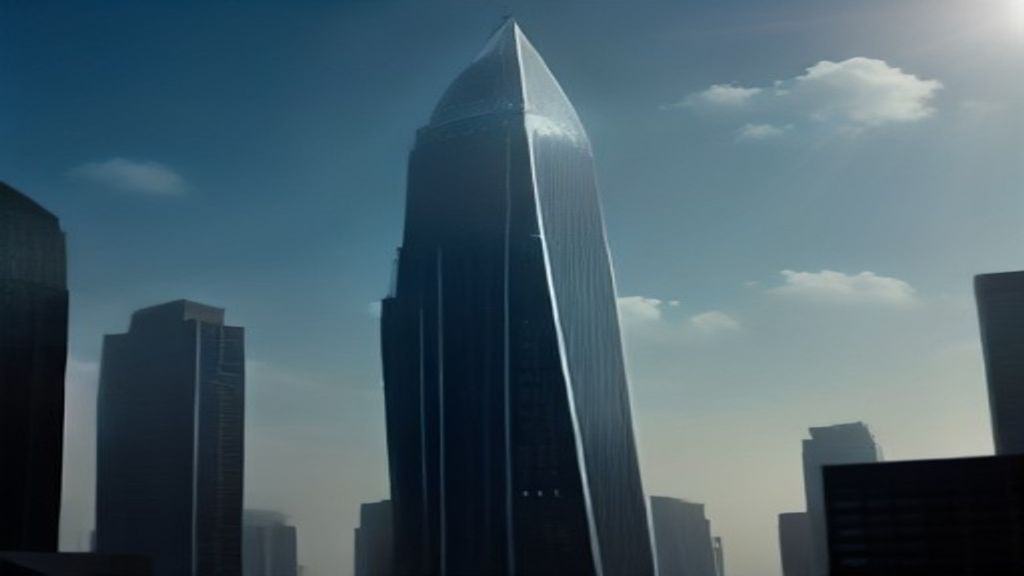
Welcome to the reality of 20 Fenchurch Street, a thirty-seven story glass tower designed by a world-famous architecture firm that accidentally built a high-altitude solar death ray.
 Read nextDEATH RAYS & EXPOSED SKIRTS: Inside the $120 Million Architectural Disaster That's Terrorizing Downtown!
The tower's distinct shape—curving outward as it reaches into the skyline—was supposed to be a bold stylistic statement. Instead, the south-facing concave glass acted like a colossal magnifying glass. On sunny summer days, sunlight bounced off the polished panes and focused into a concentrated beam on the streets below. At its focal point, temperatures reached a searing two hundred and forty-three degrees Fahrenheit.
Commuters stopped on the street to stare as the light beam slowly tracked across the pavement, scorching everything in its path. One restaurant manager recounted watching tiles on his floor crack under the sudden heat blast. A television reporter famously arrived on site with a frying pan and cooked a raw egg on the pavement in front of a live camera crew.
Car owners were far from amused. One driver returned to his parked luxury vehicle to discover the side mirror housing melted into slag and the side panels permanently warped. Building management settled the claim immediately, but the public relations nightmare was already in full swing.
Local authorities scrambled for answers while city residents renamed the building "The Walkie-Scorchie." Architecture experts pointed out that this wasn't even the first time the design team built a concave glass building that scorched ground-level objects. A luxury hotel in Las Vegas designed by the same firm experienced identical thermal beam issues years prior, leaving poolside guests nursing singed hair and melted plastic cups.
Why do these expensive mistakes keep slipping through the cracks? Industry insiders argue that modern developers rely heavily on gorgeous, static three-dimensional renders to sell multi-million dollar projects to city councils. These renders capture beautiful sunset colors, but they completely ignore real-world physics, microclimates, and dynamic solar patterns.
When starchitects prioritize dramatic aesthetic profiles over basic ergonomics and localized weather patterns, everyday citizens end up paying the price. In London, fixing the problem required retrofitting the skyscraper with a massive network of permanent horizontal sunshades, spending millions of dollars just to tone down the building's unexpected heat laser.
Yet, this is just one example of modern blueprints turning into real-world disasters. Across the globe, high-end design trends continue to sacrifice basic usability for shiny exterior visuals—from slippery glass footbridges that break pedestrians' bones to fire exit doors opening into mid-air.
On the latest episode of Bad Blueprint, the podcast hosts take a hilarious and sharp look at the absolute worst architectural failures in recent history and debate whether modern designers have lost their minds.