Death Ray Architecture: When Multi-Million Dollar Luxury Towers Start Melting Local Traffic

Death Ray Architecture: When Multi-Million Dollar Luxury Towers Start Melting Local Traffic · Avonetics
 The Ordinary Hyaluronic Acid 2% +
Provides immediate, long-lasting hydration for smoother, plumper, and healthier-looking skin.. SUPPORTS SKIN BARRIER: Ceramides lock in moisture and support the skin’s protective b…
See it →
The Ordinary Hyaluronic Acid 2% +
Provides immediate, long-lasting hydration for smoother, plumper, and healthier-looking skin.. SUPPORTS SKIN BARRIER: Ceramides lock in moisture and support the skin’s protective b…
See it →
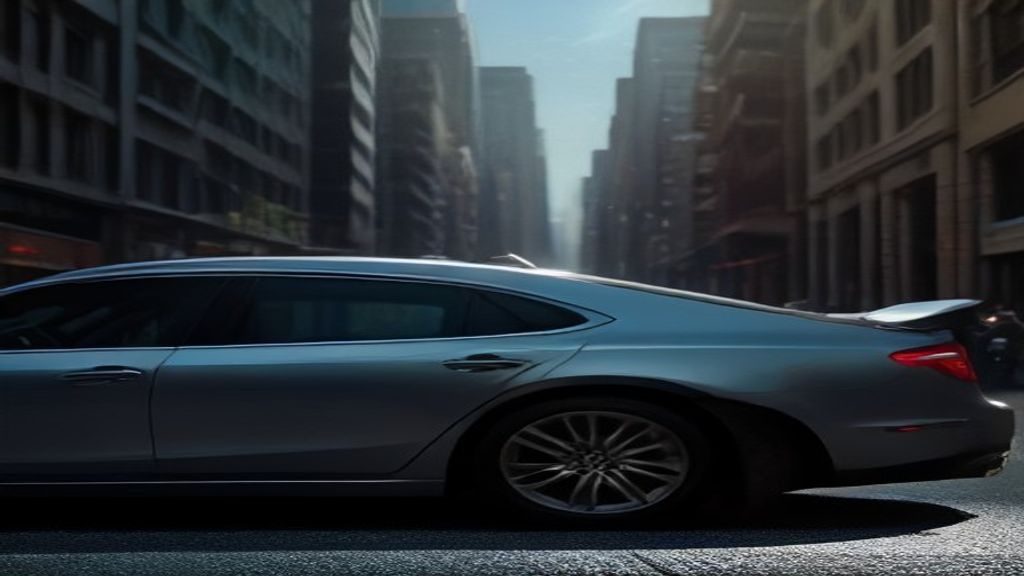
Imagine walking down a busy city street on a bright afternoon, minding your own business, when you suddenly smell burning plastic. You glance over at a sleek luxury sports car parked along the curb and watch in horror as its side mirror literally deforms, bubbles, and drips onto the pavement.
This isn't a scene from a science fiction movie. It actually happened in central London, and the villain wasn't a alien force—it was a brand-new, 37-story luxury skyscraper.
 Read nextDEATH RAYS & EXPOSED SKIRTS: Inside the $120 Million Architectural Disaster That's Terrorizing Downtown!
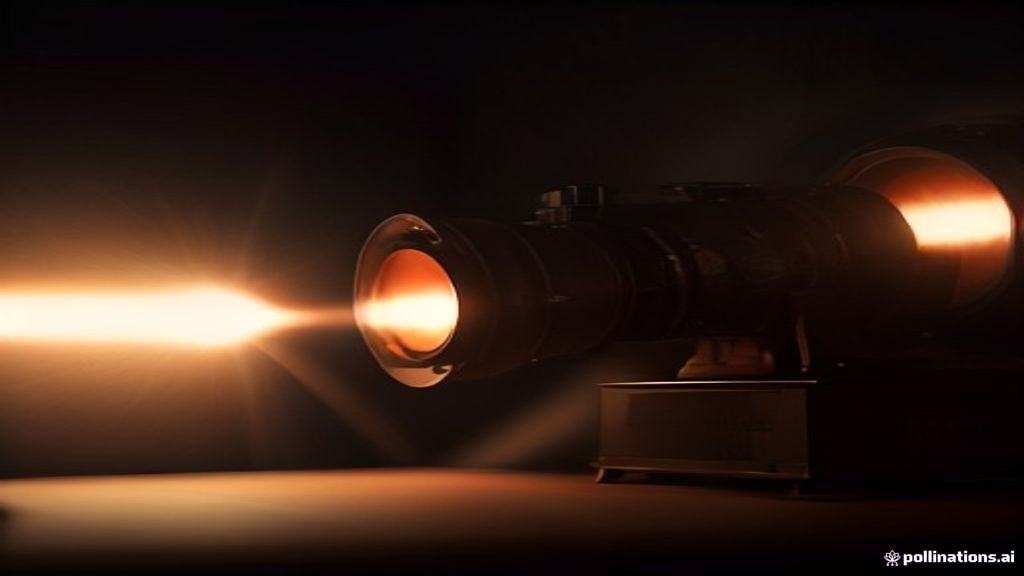
The tower at 20 Fenchurch Street, affectionately dubbed "The Walkie Talkie" by locals due to its flared top, became notorious long before its grand opening. Thanks to its sweeping concave glass facade, the building acted as a colossal parabolic mirror. For roughly two hours every afternoon, it gathered the sun's rays and bounced a focused beam of light straight onto the streets below.
The result was utter chaos. Temperatures within the beam soared past 240 degrees Fahrenheit. Local business owners reported scorched carpets and cracked doorway tiles. News reporters scrambled to the scene, successfully frying eggs in frying pans set directly on the sidewalk. Owners of high-end vehicles returned to find their body panels warped and plastic trim completely melted.
One onlooker recalled feeling an intense wave of radiant heat that felt like standing directly in front of a blast furnace, while another noted that walking through the light beam felt like stepping into an industrial sunlamp.
What makes this architectural catastrophe even more mind-boggling is that it wasn't even the first time this exact design mistake had occurred. Just three years prior, a luxury hotel and spa in Las Vegas featuring a remarkably similar curved glass profile created its own localized death ray over the resort's outdoor pool deck. Guests relaxing by the water found themselves subjected to intense heat spots that singed hair, melted plastic drinking cups, and delivered instant severe sunburns.
How do projects backed by hundreds of millions of dollars make such a fundamental blunder? Experts point to a dangerous gap between digital design software and real-world physics. While modern architectural software makes it easy to generate breathtaking, dramatic curves, early rendering programs rarely modeled how reflected heat and light would interact with the surrounding neighborhood.
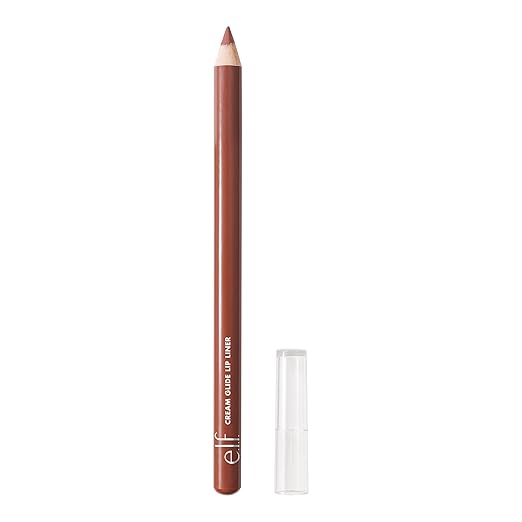 e.l.f. Cream Glide Lip Liner
Meet your new glide-or-die lip liner. This creamy lip pencil glides on like a dream (no tugging here!) to precisely line, define, and sculpt your lips with a smooth-as-e.l.f. appli…
See it →
e.l.f. Cream Glide Lip Liner
Meet your new glide-or-die lip liner. This creamy lip pencil glides on like a dream (no tugging here!) to precisely line, define, and sculpt your lips with a smooth-as-e.l.f. appli…
See it →
When confronted with the roasting London streetscape, the building's lead architect infamously suggested that uncharacteristically sunny weather was partly to blame—a statement that drew immediate sharp criticism from engineers who pointed out that sun trajectories are entirely predictable mathematical facts.
To fix the problem in London, developers were forced to spend millions installing a massive system of horizontal shade louvers across the building's glass front, scattering the light beam and ending the neighborhood's reign of heat terror.
While the city streets are finally safe from melting car parts, the legacy of these scorching sky-monsters lives on as a cautionary tale for designers everywhere.
The hosts of Bad Blueprint dig into the hilarious hubris, physics fails, and starchitect drama behind this story on this week's episode.
 Vanicream Gentle Facial Cleaner with Pump
Created for sensitive skin : We select ingredients that are effective, suitable for our customers, and are tested and monitored for quality. Mild & gentle formula: Ideal for dry sk…
See it →
Vanicream Gentle Facial Cleaner with Pump
Created for sensitive skin : We select ingredients that are effective, suitable for our customers, and are tested and monitored for quality. Mild & gentle formula: Ideal for dry sk…
See it →