‘The Sky Turn Black and Started Screaming’: Storm Chasers Survive Terrifying Direct Hit by Invisible EF4 Tornado
‘The Sky Turn Black and Started Screaming’: Storm Chasers Survive Terrifying Direct Hit by Invisible EF4 Tornado · Avonetics
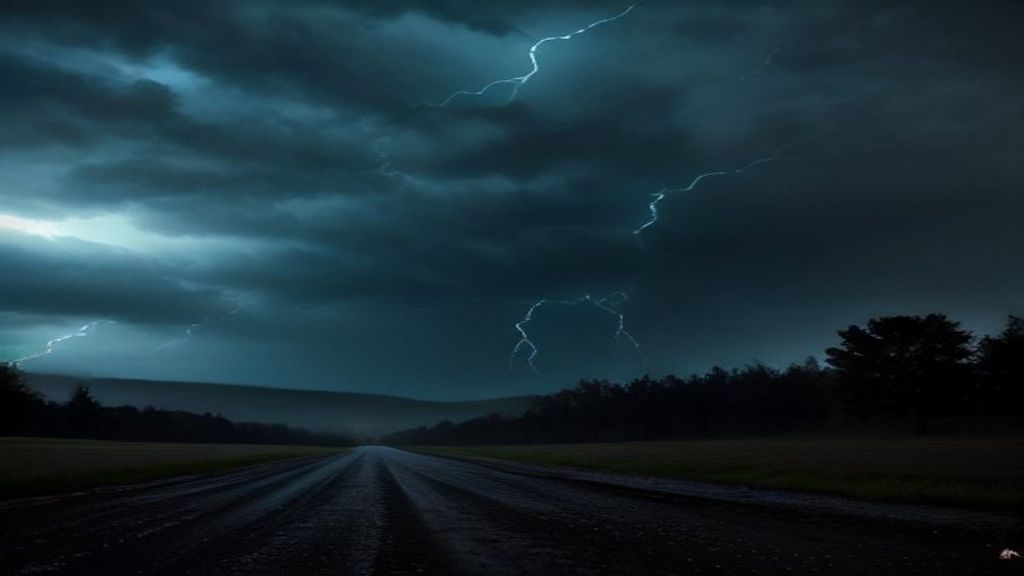
A routine scientific mission turns into absolute terror when an atmospheric research crew finds itself locked inside the path of an invisible EF4 tornado.
The team, equipped with advanced mobile Doppler radar and pressure sensors, drives down a remote rural highway to record low-level wind velocities. They expect to stay at a safe distance from the rotating storm core. But within minutes, the storm morphs from a classic rotating supercell into a High-Precipitation atmospheric monster.
 Read nextShocking Study Reveals: Clouds Offer Little UV Protection! Are You REALLY Safe on Overcast Days?
Torrential rain dumps over four inches an hour, blocking all light and reducing visibility to zero. The radar screens inside the truck flicker as ambient surface pressure plummets by nearly 40 millibars in seconds. The crew realizes too late that the tornado is no longer a distinct funnel on the horizon—it is everywhere, completely wrapped in a wall of falling water.
When the vehicle loses traction on a waterlogged dirt road, the winds jump instantly from moderate gusts to terrifying gale speeds exceeding 170 miles per hour. A secondary suction vortex—a concentrated whip of wind spinning inside the larger tornado—grazes the side of the truck, instantly blowing out the reinforced glass windows.
With no escape route open and wind threatening to flip the multi-ton vehicle, the team dives into a narrow drainage culvert along the side of the road, pressing themselves against the mud as debris flies overhead at lethal speeds.
Online storm watchers and professional atmospheric scientists are actively debating the terrifying incident. One severe weather analyst notes that rain-wrapped wedge tornadoes represent the ultimate field trap because visual cues disappear entirely, leaving chasers reliant on radar sweeps that lag behind real-time atmospheric shifts. Another veteran meteorologist argues that growing crowds on narrow country roads are creating dangerous traffic jams that prevent chasers from escaping when a storm suddenly shifts direction.
The incident leaves the severe weather community grappling with tough questions about field safety, mobile radar limits, and how much risk humans should take to harvest atmospheric data.
The hosts of Fault Line break down the terrifying Doppler radar logs, wind velocity mechanics, and atmospheric science behind this near-fatal encounter on this week's episode.