THE SECRET MIDNIGHT HEIST: HOW FRANCE SLIPPED A 900-YEAR-OLD TREASURE INTO LONDON UNDER COVER OF NIGHT
THE SECRET MIDNIGHT HEIST: HOW FRANCE SLIPPED A 900-YEAR-OLD TREASURE INTO LONDON UNDER COVER OF NIGHT · Avonetics
For over seventy years, British royalty and foreign diplomats begged France for a single favor: let the Bayeux Tapestry come to London. The response from Paris was always an emphatic refusal. When Queen Elizabeth II was crowned in 1953, British officials requested the 220-foot-long medieval masterpiece depicting the 1066 Norman Conquest as the ultimate coronation loan. French art experts claimed it was far too fragile to move.
When the 900th anniversary of the Battle of Hastings arrived in 1966, the answer was still no. Requests in 1980 met the same fate. For generations, the priceless embroidery remained anchored in Normandy, deemed entirely untouchable by international conservators.
 Read nextThe Great Blue Mystery: Why Ancient Greeks Described the Sea as 'Wine-Dark'
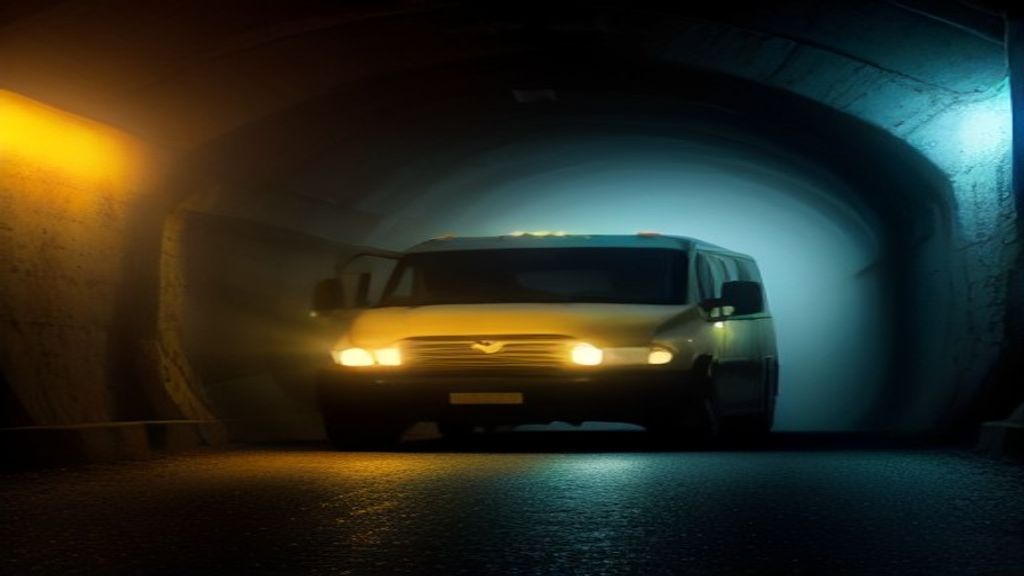
That nine-century streak ended in complete secrecy at 6:15 p.m. on July 9. A bright yellow transport truck, flanked by elite French security personnel, rolled quietly away from the museum in Bayeux. Sealed inside a state-of-the-art, vibration-dampened, climate-controlled container was the historic textile. The convoy headed straight for the Channel Tunnel, loading onto a Eurostar train and gliding beneath the seabed into England. By the following morning, the Bayeux Tapestry was safely inside the British Museum.
This high-stakes transfer has reignited a fierce debate over how we preserve and present historical truth. On one side, museum curators and modern historians celebrate the operation as a triumph of preservation science. One commenter noted that modern engineering has eliminated the catastrophic risks of artifact transit, allowing the world to experience shared heritage firsthand.
On the other side, heritage purists view the midnight move as an irresponsible gamble. Another observer argued that moving a delicate, nine-hundred-year-old embroidery across international borders for high-profile exhibitions puts irreplaceable human history at risk for political spectacle.
This debate over historical reality versus dramatic narrative echoes through military history as well. Scholars routinely fight over how modern media represents complex conflicts like the Vietnam War. While popular memory imagines the conflict exclusively through the lens of jungle traps and hidden punji stakes, major conventional clashes like the defense of the Thanh Hóa Bridge or the assault on Đắk Tô Airfield relied on regular NVA heavy artillery, anti-aircraft emplacements, and mass infantry maneuvers.
When we simplify history into easily digested tropes—whether by treating every Vietnam battlefield like a guerrilla ambush or assuming medieval tapestries can never leave home—we lose the intricate truth of what actually happened.
Our podcast hosts take a close look into both sides of this clash between myth, reality, and national pride on this week's episode of History Uncut.