STALIN’S BIGGEST SECRET: Why the Kremlin Tried to Hide Its First Atomic Bomb
STALIN’S BIGGEST SECRET: Why the Kremlin Tried to Hide Its First Atomic Bomb · Avonetics
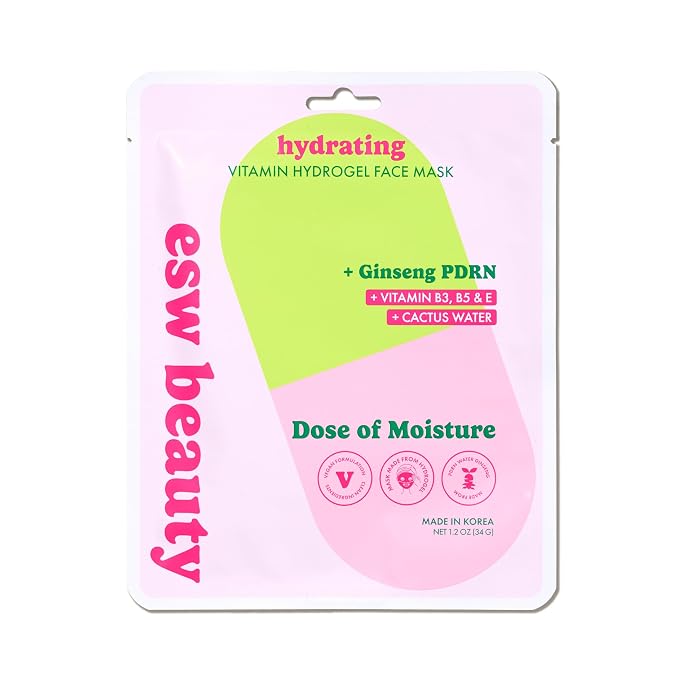 ESW Beauty PDRN Face Mask
, Dose of Moisture, Korean Skin Care, 1 Pack | Hydrogel Sheet Face Mask, Vitamin PDRN Mask with B Vitamins, Cactus Water & Vitamin E for Hydrating & Moistu…
See it →
ESW Beauty PDRN Face Mask
ESW Beauty PDRN Face Mask, Dose of Moisture, Korean Skin Care, 1 Pack | Hydrogel Sheet Face Mask, Vitamin PDRN Mask with B Vitamins, Cactus Water & Vitamin E for Hydrating & Moistu…
See it →
In August 1949, deep within the remote steppes of Kazakhstan, a blinding flash illuminated the sky. The Soviet Union had successfully detonated its very first atomic bomb, codenamed RDS-1. For Soviet scientists and military commanders, it was a moment of sheer relief and triumph. They had broken the American nuclear monopoly years ahead of Western predictions.
Yet back in Moscow, Joseph Stalin did something astonishing: he said absolutely nothing.
 Read nextThe Great Blue Mystery: Why Ancient Greeks Described the Sea as 'Wine-Dark'
There were no victory parades, no front-page headlines in Pravda, and no triumphant speeches to the international community. For weeks, the Kremlin maintained radio silence, leaving world leaders completely unaware that the global balance of power had shifted forever.
Why would a superpower spend vast fortunes to develop a ultimate deterrent, only to keep it a secret?
Historians point to a chilling strategic reality. Detonating a single test device did not mean the Soviets possessed an operational nuclear arsenal. Moscow had used almost its entire supply of refined plutonium for RDS-1. They had no stockpiled bombs, no strategic long-range bombers ready for deployment, and no way to defend against an American counterstrike.
One commenter noted that bragging about a single bomb when your enemy holds dozens is an invitation to destruction. Pentagon strategists had already drawn up contingency war plans detailing preemptive strikes against Soviet industrial centers. Had Stalin boasted of his new weapon, he risked provoking a nervous Washington into launching a war before Moscow could build a true nuclear stockpile.
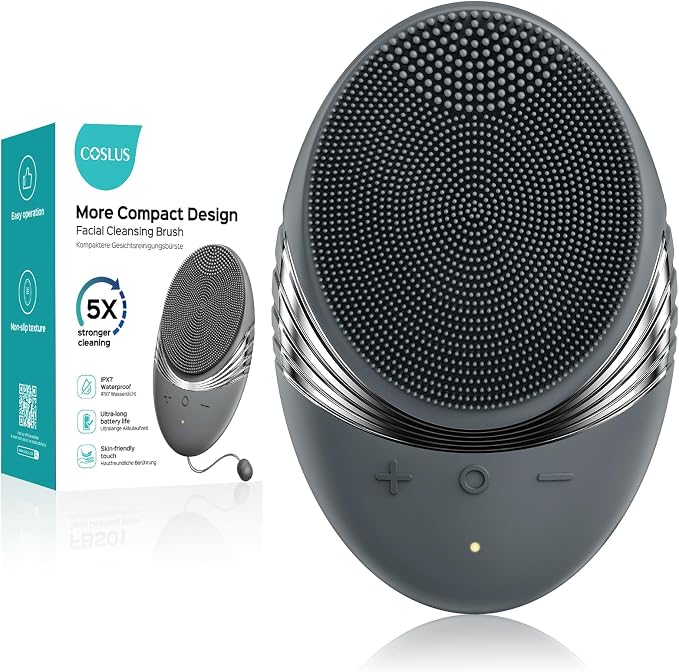 COSLUS FBS01 Facial Cleansing Brush Face
The COSLUS FBS01 portable silicone face scrubber features advanced deep cleansing upgrade technology approved by a team of American dermatologists. This silicone facial cleansing b…
See it →
COSLUS FBS01 Facial Cleansing Brush Face
The COSLUS FBS01 portable silicone face scrubber features advanced deep cleansing upgrade technology approved by a team of American dermatologists. This silicone facial cleansing b…
See it →
Stalin chose strategic ambiguity instead, buying critical months to manufacture additional weapons in total secret. The silence was only broken when American reconnaissance aircraft flying over the North Pacific detected high-altitude radioactive debris, prompting President Harry Truman to publicly announce the Soviet detonation to a shocked world.
This tension between elite self-preservation and institutional control echoes through another historical puzzle: how British imperial expansion overseas unintentionally bolstered democratic rights at home. Wealthy 18th-century merchants used fortunes made in Atlantic trade to check the authority of the Crown, demanding protected property rights and judicial independence to protect their private fortunes.
Another scholar argued that while colonial plunder was brutal, the resulting economic power shift gave non-royal citizens the leverage needed to build inclusive financial institutions in London.
Our podcast hosts take a fresh look at both of these fascinating historical power plays on this week's episode of History Uncut.
 S'well 9 Fl Oz-London Chimney-Triple Stainless
S’well London Chimney 9oz stainless steel water bottles feature triple-layered, vacuum-insulated construction, designed to keep beverages cold for up to 27 hours or hot for up to 1…
See it →
S'well 9 Fl Oz-London Chimney-Triple Stainless
S’well London Chimney 9oz stainless steel water bottles feature triple-layered, vacuum-insulated construction, designed to keep beverages cold for up to 27 hours or hot for up to 1…
See it →