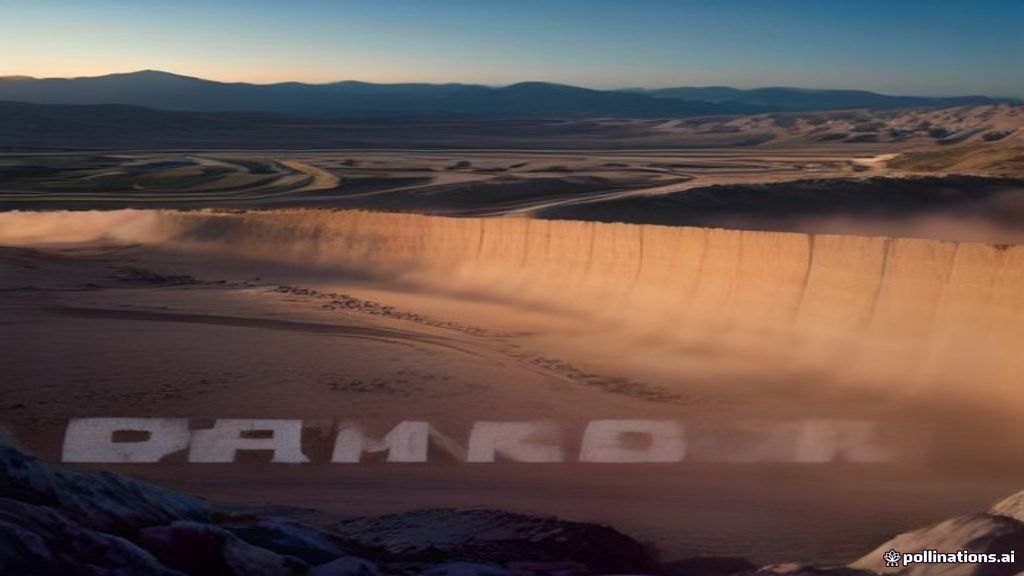
Built for 32 Minutes in Hell: How a Soviet Space Tank Conquered Venus
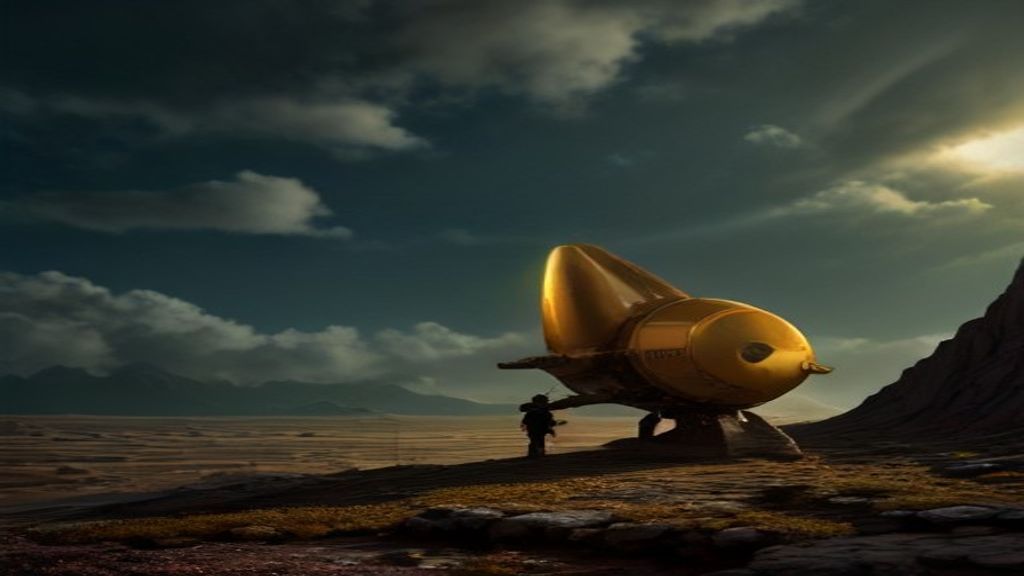
Built for 32 Minutes in Hell: How a Soviet Space Tank Conquered Venus · Avonetics
 HP Printer Paper
HP Papers is sourced from renewable forest resources and has achieved production with 0% deforestation in North America. Each ream is wrapped in a polyurethane coated paper wrapper…
See it →
HP Printer Paper
HP Papers is sourced from renewable forest resources and has achieved production with 0% deforestation in North America. Each ream is wrapped in a polyurethane coated paper wrapper…
See it →
On March 1, 1982, a titanium sphere the size of a small car dropped through the sulfurous clouds of Earth's closest planetary neighbor and slammed into the basaltic crust. The world was Venus, but it looked less like a twin planet and more like Dante’s Inferno. With surface temperatures hovering around 457 degrees Celsius (855 degrees Fahrenheit) and atmospheric pressure equivalent to sitting nearly a thousand meters beneath the ocean, Venus is the most hostile planetary environment in the solar system.
The probe was Venera 13, a crown jewel of the Soviet space program. Engineered at the height of the Cold War, the lander was built with a simple, brutal ethos: make it thick, make it heavy, and treat it like a submarine going into a furnace. Soviet scientists calculated that the lander’s internal electronics would survive for perhaps 32 minutes before the intense thermal energy melted the solder and crushed the casing into scrap metal.
 Read nextThe Great Blue Mystery: Why Ancient Greeks Described the Sea as 'Wine-Dark'
Instead, Venera 13 delivered one of the most astonishing operational overruns in spaceflight history.
Upon touchdown in the Phoebe Regio region, the lander immediately deployed its suite of scientific instruments. A mechanical drill bored into the Venusian bedrock, vacuuming soil samples into an pressurized internal chamber for chemical analysis. Simultaneously, color cameras popped their protective caps and began sweeping the landscape, streaming raw data upward to a relay satellite passing overhead.
Thirty-two minutes came and went. Venera 13 kept screaming data back across the void. Sixty minutes passed. Then ninety. By the time the internal systems finally succumbed to the overwhelming heat and pressure, Venera 13 had functioned on the surface for 127 minutes—nearly four times its design lifespan.
 EXPO Low Odor Dry Erase Markers
Dry erase markers in bold black. Fine tip perfect for accurate, detailed lines. Low odor ink, ideal for home, classroom, and office use. Erase cleanly and easily with an EXPO erase…
See it →
EXPO Low Odor Dry Erase Markers
Dry erase markers in bold black. Fine tip perfect for accurate, detailed lines. Low odor ink, ideal for home, classroom, and office use. Erase cleanly and easily with an EXPO erase…
See it →
During its brief, heroic life, Venera 13 captured some of the rarest photographic artifacts in modern science. Out of all the planetary missions ever launched, only six images of the surface of Venus have ever been successfully transmitted back to Earth. Venera 13’s snapshots revealed a haunting, golden-hued world of cracked volcanic slabs, fine dark soil, and dense, hazy skies.
The mission has long sparked lively debate among space history enthusiasts. One observer noted that early space exploration operated on a "full send" philosophy, launching probes into the unknown long before scientists understood the sheer hostility of the Venusian atmosphere. Another described Venera 13 as the ultimate symbol of peak Soviet design: heavy, austere, slightly clumsy, but utterly indestructible when it counted.
Critics, however, suggest that sending suicide probes into an acid furnace was an expensive Cold War flex. Some point out that throwing immense scientific budgets at a mission designed to die within hours yielded far less long-term scientific value than modern Mars rovers, which have spent decades traversing the Red Planet.
Yet, for fans of deep-space drama, Venera 13 remains an iconic moment when human ingenuity stared down absolute destruction and held its ground. The hosts of History Uncut get into it the wild engineering debate behind this infernal space mission on this week's episode.
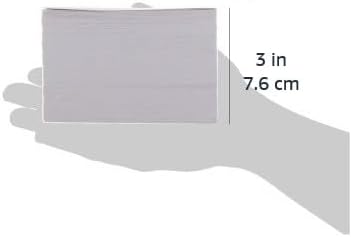 Amazon Basics Heavy Weight Ruled Index
300-count pack of white heavy-weight index cards; ruled on one side for easy note taking. Made from top-quality heavy commercial stock for added strength; ideal for studying, list…
See it →
Amazon Basics Heavy Weight Ruled Index
300-count pack of white heavy-weight index cards; ruled on one side for easy note taking. Made from top-quality heavy commercial stock for added strength; ideal for studying, list…
See it →