Swallowed Alive: How a Team of Storm Chasers Cheated Death Inside a Violent Multi-Vortex Wedge Tornado
Swallowed Alive: How a Team of Storm Chasers Cheated Death Inside a Violent Multi-Vortex Wedge Tornado · Avonetics
The wind does not just roar inside the core of an EF4 tornado—it shrieks with a mechanical, metallic howl that vibrates directly through human bones. Two veteran atmospheric researchers learned that reality firsthand when a routine severe weather intercept in Tornado Alley degenerated into a frantic, terrifying battle for survival.
It begins on a sweltering late-spring afternoon. Atmospheric instability is off the charts, with supercells exploding along a razor-sharp dryline. The team anchors their position on a gravel county road, tracking a massive high-precipitation supercell on mobile radar. Their goal is simple: deploy ground probes along the forward flank to capture temperature and pressure differentials. But this storm is not playing by the book.
 Read nextShocking Study Reveals: Clouds Offer Little UV Protection! Are You REALLY Safe on Overcast Days?
Within minutes, rain thick as concrete wraps around the rotating mesocyclone. Visibility collapses to near zero. Suddenly, the storm executes a violent, unpredicted turn to the northeast, propelled by a surge of cold air from the rear flank downdraft. The team drives straight into the bear’s cage—the lethal, rain-wrapped zone surrounding the core.
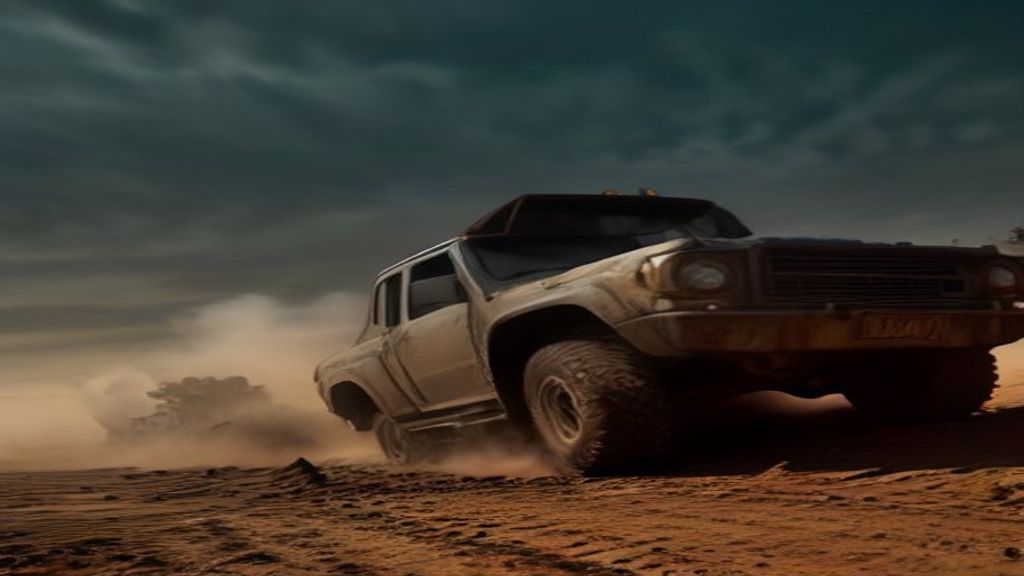
Sensors inside the modified, eight-thousand-pound armored vehicle go haywire. The barometric pressure plummets by 85 millibars in a matter of seconds, slamming the occupants with a sudden drop in air pressure so extreme it causes ears to pop violently and lungs to heave. Hail the size of baseballs shatters safety glass. Outside, small, hyper-intense sub-vortices spin like lethal top-blades within the primary wedge tornado, packing localized winds over 210 miles per hour.
Before the driver can put the heavy rig in reverse, a suction core strikes the vehicle head-on. Aerodynamic lift tears at the reinforced undercarriage. Telemetry later reveals all four tires lose contact with the dirt road. The truck rolls three times across open terrain before crashing upside-down into a flooded drainage canal, its radar dome smashed and engine dead.
Miraculously, both occupants survive. Strapped tightly into four-point racing harnesses within an integrated steel roll-cage, they crawl through shattered side windows into screaming, rain-slashed darkness, nursing cracked ribs and severe concussions.
In online severe weather circles, the harrowing footage and telemetry data triggered an explosion of debate. One weather enthusiast noted that relying on radar scans with a three-minute delay in a fast-moving high-precipitation storm is essentially driving blindfolded toward a cliff. Another observer argued that close-range data collection is the only way meteorologists will ever understand ground-level vortex physics, claiming that calculated risks are necessary to advance early warning systems.
Others take a harsher stance, insisting that chasing in low-visibility environments is fueled more by the pursuit of viral content than real science, warning that reckless positioning puts local emergency responders at unnecessary risk.
On the podcast, our hosts dig straight into the terrifying physics of sub-vortices, the fatal mistakes made inside the bear's cage, and where storm chasing crosses the line from scientific research into pure atmospheric madness.