Stop and Smell the Roses: The Gross Reason Victorians Carried Flowers Everywhere
Stop and Smell the Roses: The Gross Reason Victorians Carried Flowers Everywhere · Avonetics
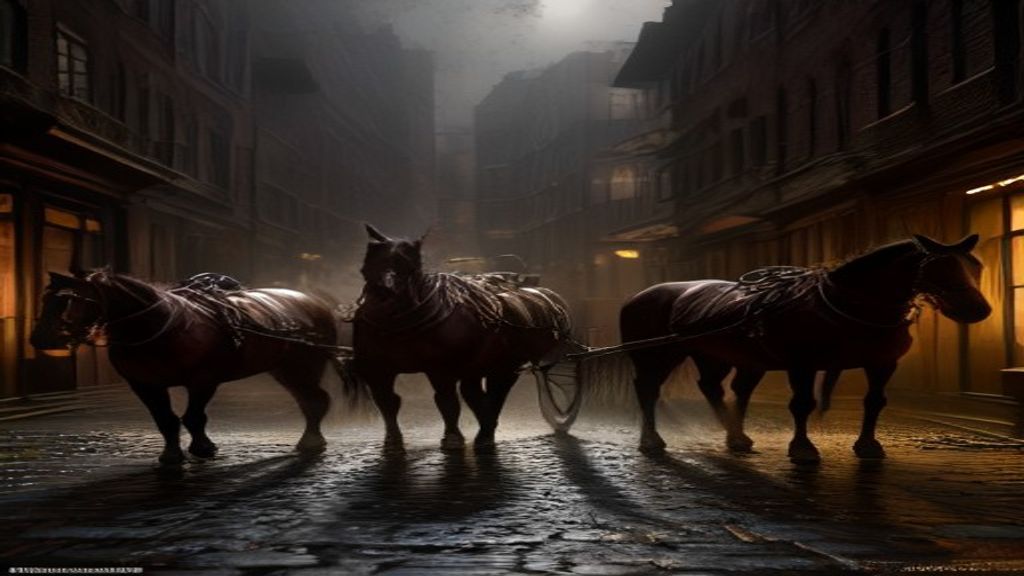
Imagine stepping outside your front door and instantly being hit by a wave of raw sewage, horse manure, and rotting slaughterhouse waste. Welcome to a typical morning in a 19th-century city.
Long before modern indoor plumbing, municipal garbage pickup, or motorized cars, urban life was a sensory nightmare. Cities like London and New York were packed with hundreds of thousands of draft horses, leaving mountains of filth on cobblestone streets. Add open gutters, uncontained cesspools, and industrial coal smog, and walking to work became a test of physical endurance.
 Read nextThe Great Blue Mystery: Why Ancient Greeks Described the Sea as 'Wine-Dark'
To survive the stench, citizens turned to an ingenious accessory: the nosegay. Also known as a tussie-mussie, this small bouquet of tightly packed herbs and fragrant flowers wasn't just a pretty accessory. It was personal armor against the city.
People didn't just carry nosegays for pleasure. In the 1800s, medical science was dominated by the miasma theory—the belief that diseases like cholera and typhus were spread through poisonous air and bad smells. To inhale foul odor was to invite deadly infection directly into your body.
As a result, odor defense became a massive industry. Flower girls sold cheap bunches of wild rosemary, thyme, and lavender on city corners for a copper penny. Wealthier citizens carried silver or mother-of-pearl vinaigrettes—tiny metal boxes holding sponges soaked in sharp, aromatic vinegar and essential oils.
When passing a pile of street manure or an open sewer, pedestrians would press their nosegays or vinaigrettes directly to their faces, breathing through the sweet botanicals until they reached cleaner air.
Social status quickly collided with smell defense. Upper-class citizens carried elaborate pomanders filled with costly ambergris, musk, and clove, using them not just to block stench, but to signal their elite place in society.
One historical observer noted that holding a perfumed trinket high above the muddy streets was the ultimate Victorian power move—a way of saying your nostrils were too refined for the common world.
Yet working-class laborers, who couldn't afford imported perfumes, improvised with sprigs of tansy or cheap vinegar dabbed on handkerchiefs. The panic over foul air crossed every social divide.
Was carrying a nosegay a genuine medical defense against terrifying urban filth, or was it an overblown aristocratic fashion trend? The hosts of History Uncut tear into this forgotten Victorian survival tactic on this week's episode.