Stepmom Confessions: Why 'Blended' Families Don't Always Blend (And That's Okay!)
Stepmom Confessions: Why 'Blended' Families Don't Always Blend (And That's Okay!) · Avonetics
The world of stepparenting is a minefield of unspoken expectations and emotional complexities. Many stepmoms find themselves navigating a unique landscape of responsibility, often feeling isolated and misunderstood. A recent discussion sparked by Wednesday Martin's book, *Stepmonster*, has brought these struggles to the forefront, offering validation and sparking debate among those living the blended family reality.
The book highlights several key truths that resonate deeply with stepparents. One major takeaway is the idea that 'blended' families don't always merge successfully, and when they don't, it's not a failure on the stepparent's part. This point alone offers immense relief to many who feel the weight of societal pressure to create a perfect, harmonious unit.
 Read next‘I Wish I Never Had This Life’: Father’s Raw Confession About Toddlermeltdowns and Marital Resentment Sparks Fierce Debate
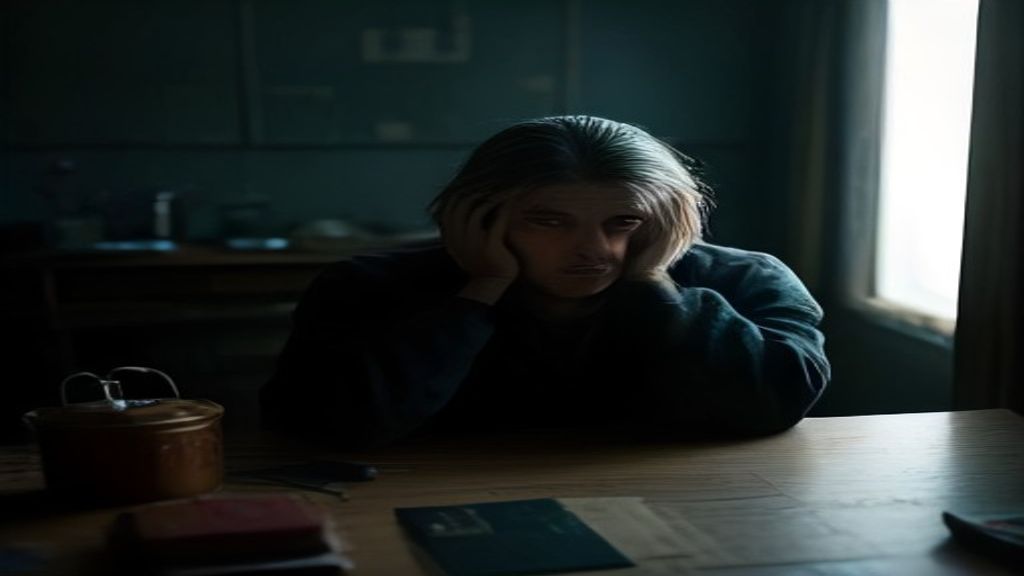
Another revelation from *Stepmonster* is that stepmothers are disproportionately affected by depression, low self-esteem, and isolation, despite often being the ones striving the hardest to make the family work. This insight provides a crucial framework for understanding the unique emotional burden carried by stepmoms.
The book also stresses the importance of a solid foundation between partners early in the relationship, emphasizing that the couple's bond must come first, even when children inadvertently create friction. And perhaps most controversially, it suggests that sometimes, a bond with a stepchild may never form, and that, too, is acceptable.
For many, *Stepmonster* has been a lifeline. One commenter shared, "I read it and found a lot of validation and comfort. Nobody in my family or friend circle has ever been a stepmom, so I don’t have anyone around who really understands the dynamic." They noted that reading the book even helped their partner develop more empathy and become a stronger advocate against family and friends who expected her to take on more childcare.
Another person found the book enlightening, praising its historical context on why step-relationships often face difficulties. They added, "even being a stepdad is easier than being a stepmother and the book explained why."
However, not everyone found the book universally applicable. Some stepparents, particularly those who have proactively established clear boundaries, felt parts of the book didn't align with their experiences. "I read it years ago when I first moved in with my husband, and for my specific situation I found a lot of it not applicable," one individual stated. They explained that they had extensive discussions with their partner about expectations and made a conscious decision to be "completely hands off" with their stepchildren from day one, leaving all parenting to their husband.
This hands-off approach, they argued, served as a "defense mechanism" to protect their mental health and prevent resentment, a strategy they developed after observing the challenges faced by others in stepparent forums.
The discussions surrounding *Stepmonster* reveal a powerful truth: there's no single blueprint for successful stepparenting. While validation and understanding are crucial, so too are clear communication, robust boundaries, and the courage to forge a path that prioritizes one's own well-being within the complex tapestry of a blended family. The hosts of "Raising Hell" dig into this challenging reality and explore what it truly means to navigate the stepparenting journey.
***
As we grapple with the nuanced struggles of blended families, another confession sheds light on a different kind of parental pressure: the relentless financial strain and emotional toll of trying to keep a family afloat.
One individual recently shared a raw and emotional account of their current predicament: "I cannot afford to live and it's making me want to give up." Their story paints a vivid picture of overwhelming hardship: four months behind on the mortgage, only half the bills caught up, and repeated power outages in a neglected, poorer area leading to $200 worth of spoiled food each time.
Just as they manage to keep a roach issue at bay, a sewer backup hits, demanding a $1,000 fix they simply don't have, with only $300 to their name for the next two weeks. The crushing blow? Seven months pregnant with an unplanned second child, facing a nine-week leave, and a gutted work schedule. The struggle to find a stay-at-home job to avoid daycare costs is immense.
"I can't do anything right, I can barely keep up with cleaning," they confess, feeling isolated with no friends and unresponsive family. The raw admission, "I made a mistake having a second kid. I don't know what to do. I'm debating putting him up for adoption," underscores the profound desperation and the heavy burden of modern parenting.