Silenced in the Sanctuary: Trans Performer's Solo Quietly Cut in Local Production of 'Godspell'
Silenced in the Sanctuary: Trans Performer's Solo Quietly Cut in Local Production of 'Godspell' · Avonetics
 medicube PDRN Pink Collagen Glow Jelly
Absorb quickly with 99% high-purity salmon PDRN, helping skin look renewed while improving firmness and replenishing fatigued-looking skin. Energize the complexion with fast-absorb…
See it →
medicube PDRN Pink Collagen Glow Jelly
Absorb quickly with 99% high-purity salmon PDRN, helping skin look renewed while improving firmness and replenishing fatigued-looking skin. Energize the complexion with fast-absorb…
See it →
In community theater, few musicals foster a sense of ensemble harmony quite like Stephen Schwartz's Godspell. Designed for a tight-knit group of performers where every actor shines, the show traditionally gives each cast member their own featured solo. But in a recent local production hosted by a self-described affirming church, that ensemble spirit hit a dramatic snag.
A trans and physically disabled performer, cast in the featured role of Jeffrey, recently learned that their assigned solo number—the energetic pop-rock hit "We Beseech Thee"—was abruptly taken away and given to another cast member. To make matters worse, every other actor in the ten-person cast retained their solo spots, leaving the production's only trans performer as the sole member without a individual moment in the spotlight.
Read nextTo Drill or Not to Drill: The Battle of the Temporary Painted Stage FloorNo explanation was offered by the creative team, leaving the actor heartbroken and wondering whether the cut was driven by covert transphobia, ableism, or concerns over vocal range. The situation has ignited a passionate discussion across performance communities online regarding how directors handle non-traditional casting and delicate vocal requirements.
Many industry observers urge caution before jumping to accusations of bigotry. One commenter noted that "We Beseech Thee" is an extraordinarily demanding tenor piece spanning from A3 to D5, suggesting the directors may have been trying to protect the actor from vocal strain or public embarrassment if the key didn't fit their voice. Another argued that community theater casting often comes down strictly to audition execution, emphasizing that directors frequently reassign parts based on vocal balance rather than identity.
However, others insist that context matters. Parallels were quickly drawn to the broader pattern of marginalized artists being quietly sidelined in creative spaces. One commenter argued that stripping a solo from the only trans and disabled cast member—while granting solos to all nine other performers—is an unmistakable act of disrespect, whether conscious or unconscious. Another insisted that if the directors fail to give a transparent, respectful reason for the change, the performer should walk away from the show entirely, noting that doing Godspell without singing defeats the purpose of being in the cast.
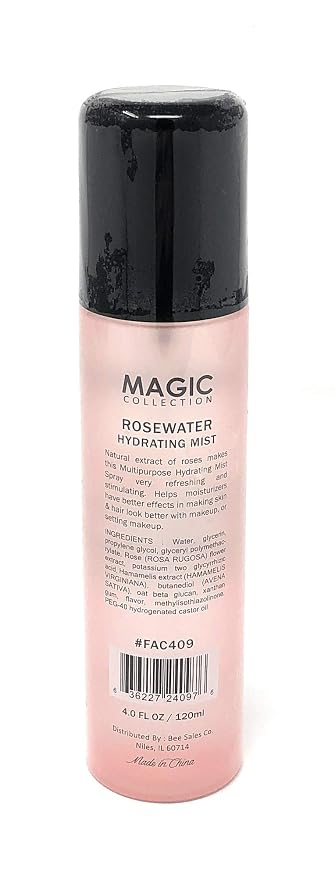 Magic Collection Hydrating Mist for Face
Hydrating Mist: Infused with natural rose extract for a refreshing and stimulating experience. Multi-Purpose Use: Suitable for face, body, and hair, enhancing the effects of moistu…
See it →
Magic Collection Hydrating Mist for Face
Hydrating Mist: Infused with natural rose extract for a refreshing and stimulating experience. Multi-Purpose Use: Suitable for face, body, and hair, enhancing the effects of moistu…
See it →
The emotional weight of being pushed out of performance spaces resonates deeply across artistic disciplines. For many trans artists, the struggle to fit into rigid binary structures begins long before reaching the theater stage. A former ballet dancer shared how navigating classical training during puberty created intense dysphoria, eventually leading them to quit dance altogether when the pandemic hit. Only years later, after transitioning and seeing trans male dancers thrive online, did they realize how much of their artistic identity had been sacrificed.
Whether in classical ballet academies or local church basements, the battle for authentic expression on stage remains uphill for queer and disabled performers. As for the Godspell production, the performer is left weighing whether to demand answers from the directors or protect their peace by stepping out of the spotlight entirely.
Our hosts debate both sides of this backstage showdown on the latest episode of Off Book.