Priced Out of the Spotlight: Advanced Dancer Forced to Quit Before Major Exam as Industry Cost Crisis Explodes
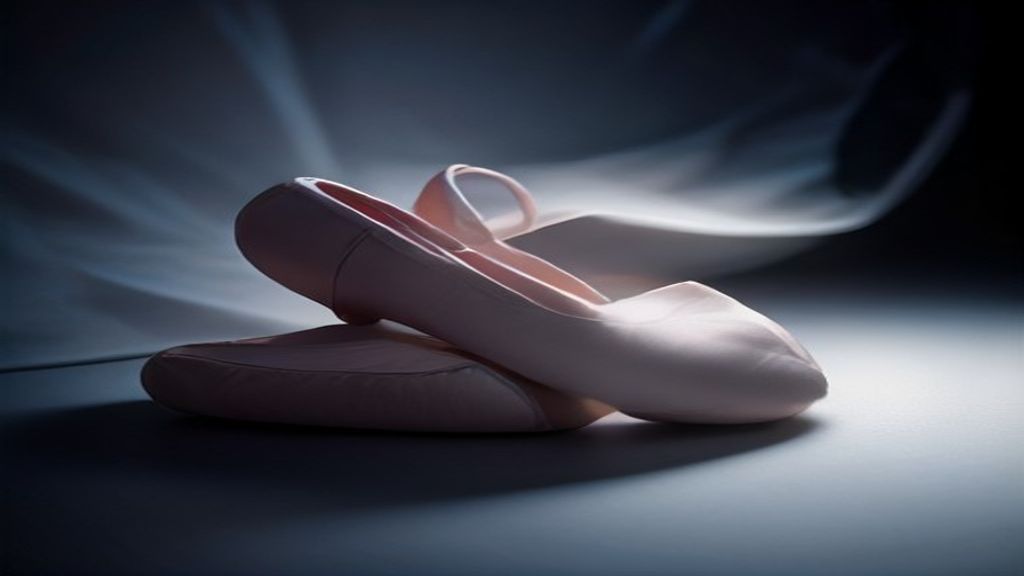
Priced Out of the Spotlight: Advanced Dancer Forced to Quit Before Major Exam as Industry Cost Crisis Explodes · Avonetics
 Women Casual Walking Shoes
: Cushioned & Anti-Slip for Daily Commute - Lightweight & Breathable for All-Day Comfort - Wom · Fashion
See it →
Women Casual Walking Shoes
Women Casual Walking Shoes: Cushioned & Anti-Slip for Daily Commute - Lightweight & Breathable for All-Day Comfort - Wom · Fashion
See it →
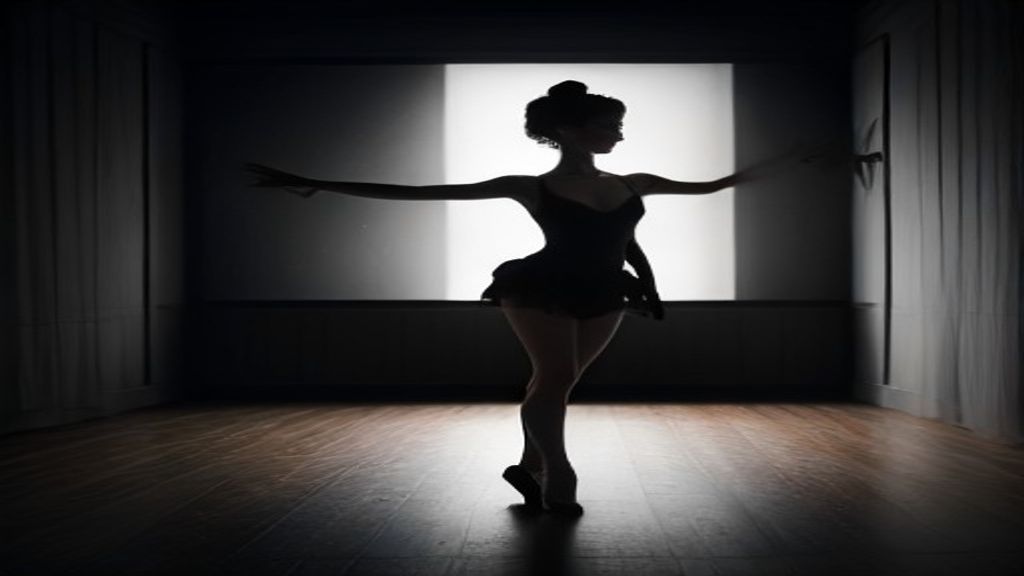
The dream of center stage is often shattered not by a career-ending injury or a lack of talent, but by a balance sheet. For one dedicated dancer on the brink of taking their Royal Academy of Dance Advanced 1 examination, years of relentless sweat, grueling barre work, and meticulous training collapsed under the relentless weight of monthly tuition fees and rent.
After pouring their life into mastering classical technique, the high-level student was forced to make the devastating decision to walk away from the studio entirely. Balancé steps and pirouettes were replaced by the harsh realities of survival: working two separate jobs while maintaining full-time university studies just to afford food and housing. Three months after hanging up their shoes, the physical toll of quitting has proven almost as painful as the financial heartbreak. Without daily studio instruction, muscle definition is fading, stamina is dwindling, and flexibility is slipping away. Trying to hold barre in a cramped apartment living room feels unmotivating without a master teacher offering real-time alignment corrections.
Read nextTo Drill or Not to Drill: The Battle of the Temporary Painted Stage FloorThe heart-wrenching saga underscores an uncomfortable truth long spoken in whispered tones behind the velvet curtains: elite performing arts remain deeply classist. Advanced classical training demands astronomical financial investments, creating a steep economic barrier that systematically filters out low-income talent regardless of dedication or skill. While the dancer privately harbored hopes that their studio instructor might grant a tuition waiver out of goodwill, studio owners face their own crushing overhead costs, rent increases, and payroll demands that leave little room for charity.
When news of this heartbreak spread across the performing arts community, reactions split into two fierce perspectives on how working-class artists should survive an expensive industry.
One group of seasoned performers urged the dancer not to give up, highlighting little-known safety nets within formal dance institutions. A commenter pointed out that major governing bodies like the Royal Academy of Dance offer dedicated financial bursaries and exam fee waivers precisely to keep high-achieving dancers from being priced out at critical milestones. Others suggested looking into work-study programs, such as assisting with children's beginner classes or managing studio reception desks in exchange for class credits. Digital alternatives were also proposed as a modern lifesaver; one retired dancer shared how combining a fifty-dollar monthly streaming subscription for classical technique with an occasional twenty-five-dollar monthly Zoom private session with an elite instructor offered a sustainable, budget-friendly way to maintain technique without paying steep studio drop-in fees.
 Women's 2026 Fashion Sneakers
 - Classic Retro Comfortable Tennis Skate Shoes - Lightweight Lace up Casual Trainers · Fashion
See it →
Women's 2026 Fashion Sneakers
Women's 2026 Fashion Sneakers - Classic Retro Comfortable Tennis Skate Shoes - Lightweight Lace up Casual Trainers · Fashion
See it →
However, another faction of industry veterans pushed back hard against the idea that artists should constantly hustle or work extra hours just to stay in the room. They argued that expecting a student who is already working two jobs to take on unpaid front-desk labor is inherently exploitative and leads directly to physical and mental burnout. As one commenter noted, high-level advanced technique cannot be safely maintained through casual apartment video practice without risk of severe injury, and pretending otherwise ignores the systemic failure of the arts economy.
This financial squeeze isn't isolated to classical dance floors—it spans across every corner of live entertainment. On the production side, a recent call for an AV Technical Lead and Technical Director for a high-profile, multidisciplinary event during New York Fashion Week offered a day rate of eight hundred to a thousand dollars. While that payout might look substantial on paper, industry technicians quickly pointed out that executing full multimedia design, rigging, and live technical direction in Lower Manhattan under tight fashion week deadlines demands specialized labor that often commands far higher compensation.
Whether on stage under the spotlights or behind the sound deck managing live cables, the performing arts continuously ask artists and technical staff to sacrifice their well-being for the love of the craft.
On the latest episode of Off Book, the hosts unpack every detail of this heartbreaking backstage saga, debating whether digital hacks and work-study hustles can truly save a career, or if it is time to call out the performing arts industry for pricing out its best talent.
 Gotrax Electric Scooter for Adults
500W Motor & 38Miles Range: The Gotrax Eclipse Ultra electric scooter adopts a 48V 15AH battery, with a powerful 500W motor and 10" tires, it reaches 20 MPH speed and up to 38 mile…
See it →
Gotrax Electric Scooter for Adults
500W Motor & 38Miles Range: The Gotrax Eclipse Ultra electric scooter adopts a 48V 15AH battery, with a powerful 500W motor and 10" tires, it reaches 20 MPH speed and up to 38 mile…
See it →