Locked Out at 4:30 A.M. and Ordered to Pick Locks: Nurse Quits Outpatient Clinic in 60 Hours
Locked Out at 4:30 A.M. and Ordered to Pick Locks: Nurse Quits Outpatient Clinic in 60 Hours · Avonetics
 NARS Afterglow Sensual Shine Lipstick-Turned
Finish type: Glossy. Item form: Crayon. Package type name: Tube. Container type: Tube. Product benefit: Long wearing. Skin type: Combination
See it →
NARS Afterglow Sensual Shine Lipstick-Turned
Finish type: Glossy. Item form: Crayon. Package type name: Tube. Container type: Tube. Product benefit: Long wearing. Skin type: Combination
See it →
A dispensing nurse at an outpatient addiction recovery clinic walked off the job after just two and a half shifts, exposing a jaw-dropping environment of administrative neglect, workplace bullying, and bizarre directives.
The trouble began long before day one. After applying for a position dispensing methadone and suboxone, the nurse waited a full month without communication. When an offer finally arrived, the facility’s interim director struggled to track onboarding paperwork and ignored multiple emails regarding basic first-day instructions.
 Read nextMedical Residents Are Screaming Into the Void About a Training System That Won't Change
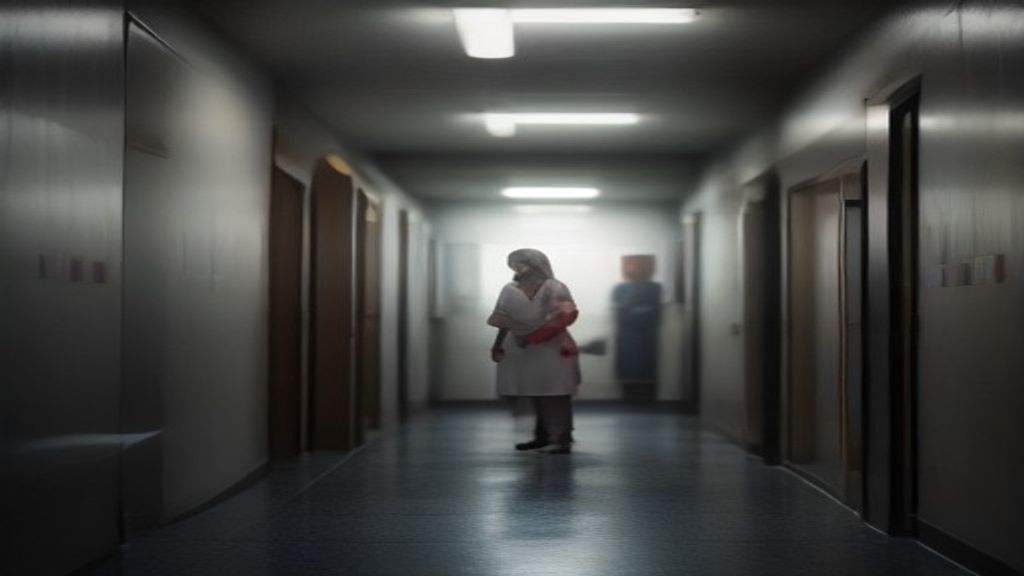
Things escalated dramatically on the nurse’s first morning. Arriving at 4:30 a.m., the nurse was locked out in the dark. Office phones were unstaffed, and when an answering service finally paged internal staff, the message was ignored. A worker inside eventually opened the door, initially mistaking the new hire for a patient attempting to secure early medication.
Once inside, orientation was nonexistent. Instead of clinical instruction, the preceptor spent shifts sharing intense personal drama and gossiping at the dispensing window about patients and colleagues. The environment was described as a toxic swamp where staff actively targeted a coworker with persistent bullying.
The final straw came when the interim director questioned why the nurse had not clocked in. Upon learning that the timecard terminal was located inside a locked office, the director instructed the nurse to pick the door lock using a credit card. When the nurse refused to break into a locked room inside a facility housing controlled substances, management grew hostile.
The nurse gathered their belongings, walked out on break, and submitted an immediate resignation email.
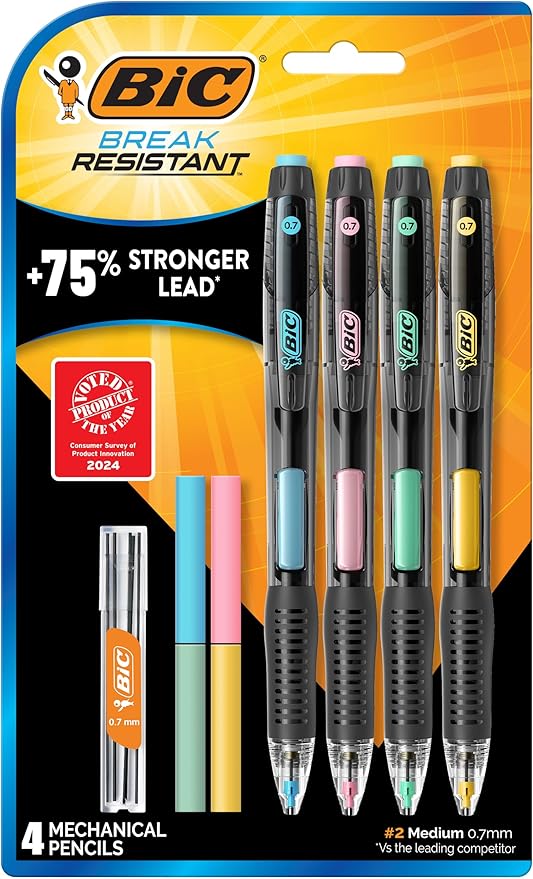 BIC Break Resistant Mechanical Pencils
One 4-count pack of BIC Break Resistant No. 2 mechanical pencils with erasers, 4 eraser refills and one lead refill. BIC Break Resistant mechanical pencils provide the perfect comb…
See it →
BIC Break Resistant Mechanical Pencils
One 4-count pack of BIC Break Resistant No. 2 mechanical pencils with erasers, 4 eraser refills and one lead refill. BIC Break Resistant mechanical pencils provide the perfect comb…
See it →
Healthcare workers weighing in on the incident overwhelmingly validated the quick exit. One commenter noted that administrative demands to pick locks in a facility handling controlled substances represent a massive red flag, suggesting shady operational practices. Another pointed out that negative patient interactions are often a direct reflection of toxic staff culture, arguing that mistreatment of patients trickles down from toxic management.
However, the story highlights a broader crisis across the medical industry: the extreme pressure on clinicians to endure dysfunctional workplaces until their bodies physically resist. In a parallel account from academic medicine, a newly minted chief resident described experiencing debilitating anxiety and severe insomnia just months after finishing residency. Despite earning higher pay and transitioning out of brutal resident hours, the doctor reported getting only one hour of sleep per night, paralyzed by panic ahead of board exams and attending shifts.
Commenters analyzing the resident's breakdown observed that medical training conditions professionals to suppress stress during acute crisis periods, leading to delayed psychological crashes once the immediate pressure subsides. Industry veterans emphasized that unlearning institutional endurance is one of the hardest challenges facing modern medical practitioners.
On this episode of Code Red, the hosts break down every red flag and debate where the line between professional endurance and self-preservation really lies.