Kitchen Island Warfare: Why Homebuyers Are Revolting Against Central Sinks and Stoves
Kitchen Island Warfare: Why Homebuyers Are Revolting Against Central Sinks and Stoves · Avonetics
House hunting in today's real estate market comes with plenty of compromises, but a growing number of prospective buyers are drawing a hard line in the sand over a surprisingly controversial architectural feature: the kitchen island sink and stove.
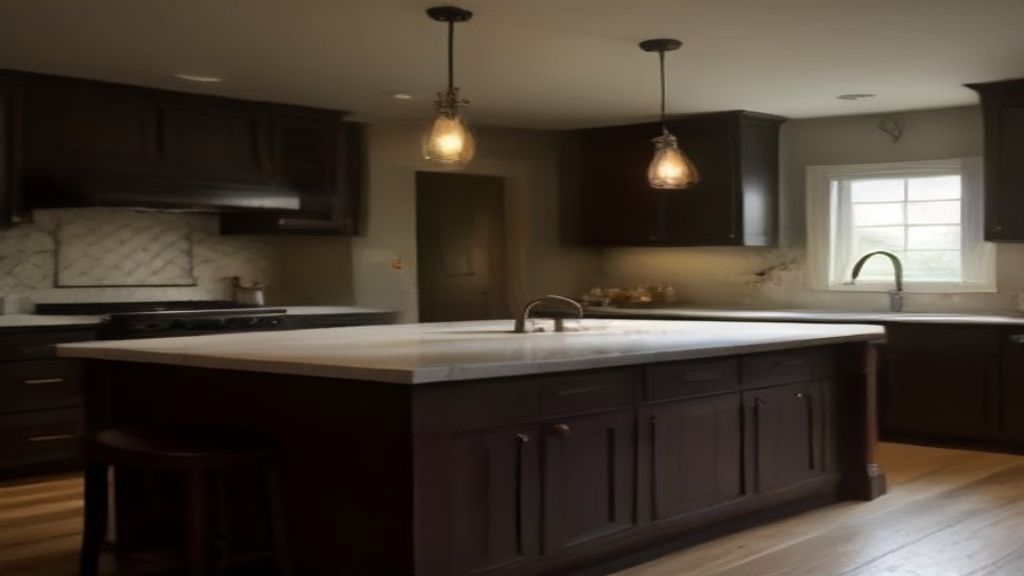
What was once marketed as the pinnacle of open-concept luxury is rapidly turning into a major point of frustration for homeowners who actually cook and live in their kitchens. A staggering number of newly renovated and custom-built homes now feature either a cooktop or a main basin jammed directly into the center of the kitchen island. But as daily life sets in, many are finding that this layout priority places form far ahead of function.
 Read nextDEATH RAYS & EXPOSED SKIRTS: Inside the $120 Million Architectural Disaster That's Terrorizing Downtown!
For families with school-aged children, the island sink has proven to be a daily logistics nightmare. When children sit at the counter to do homework or eat breakfast, the proximity to the faucet frequently leads to water-splattered notebooks, soggy paper, and damp electronics. Because the island serves as the visual anchor of an open floor plan, any dirty pot, sponge, or bottle of dish soap sits on public display for anyone sitting in the adjoining living room.
Then there is the issue of central island stoves. While design shows often depict charismatic cooks effortlessly stirring sauce while chatting with dinner guests, the practical reality involves airborne grease, oil splatters, and serious safety hazards. Without a massive, eye-level ventilation hood hanging from the ceiling—which defeats the open-concept sightline altogether—cooking grease easily drifts onto nearby seating, rugs, and furniture. In smaller spaces, placing a burner on an island leaves hot pots dangerously close to edges where guests lean or pass by.
Despite the backlash, the design world remains fiercely divided on the topic.
Defenders of the blank island insist that an island's truest value is an uninterrupted, multi-purpose work surface. They argue that the sink belongs along an exterior wall beneath a window, and the stove belongs backed against a solid wall equipped with a powerful exhaust system. One designer noted that cutting into an island slab destroys its versatility for baking, buffet serving, and holiday prep.
On the other side of the aisle, supporters of island sinks contend that the layout keeps the chef engaged with family and guests rather than staring at a backsplash. Proponents point out that with a deep apron-front sink, water containment ceases to be an issue, and sweeping crumbs directly off the counter into the basin becomes remarkably efficient.
As home design continues to evolve away from ultra-open floor plans, the demand for dedicated, enclosed work zones and clean counter space is making a massive comeback.
Our hosts tackle this exact design catastrophe and debate whether island appliances can ever be saved on this week's episode of Bad Blueprint.