First-Time Director Meltdown: Why Every Filmmaker Hates Their First Rough Cut
First-Time Director Meltdown: Why Every Filmmaker Hates Their First Rough Cut · Avonetics
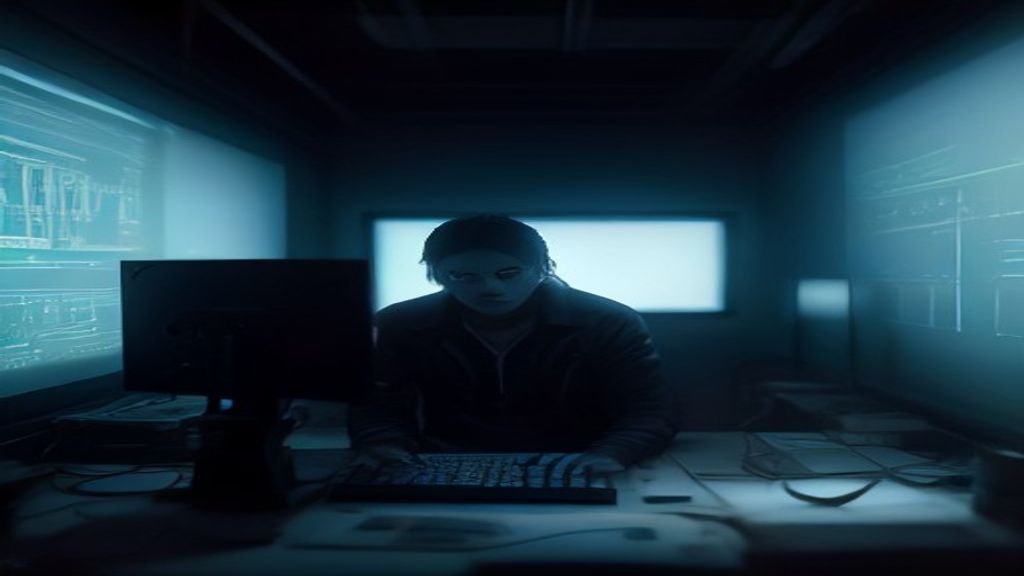
There is a quiet horror that occurs in the dark solitude of an editing suite. You have spent months writing, casting, funding, and shooting your dream project. On set, surrounded by booming microphones, high-end cinema lenses, and craft services, you felt like the next auteur ready to claim festival glory.
Then comes the assembly cut.
 Read nextHollywood's Great Comeback: Fact or Fiction?
You hit spacebar on your editing timeline, grab your hair, and realize with sinking dread that your masterpiece looks like an embarrassing home movie. The lighting feels flat, the pacing is sluggish, the raw audio hums with background noise, and the actors look stiff. Panic sets in. You want to delete the footage, abandon your career, and retreat from civilization.
If this sounds familiar, take a deep breath: you are in elite company.
The legendary Martin Scorsese famously remarked that if you don't get physically ill seeing your first rough cut, there is something fundamentally wrong with you. He added that no film is ever as grand as the daily rushes, nor as tragic as the first cut. In the creative community, veterans widely agree that anyone who walks out of an initial editing assembly completely satisfied is either lying or delusional.
The stark truth about filmmaking is that raw camera footage is never meant to look or feel finished. Raw log profiles strip out contrast and saturation, leaving images dull by design. Unmixed audio lacks the spatial depth, ambient room fill, Foley, and emotional weight that sound design provides. Without a score, dramatic silences feel like technical glitches rather than intentional artistic choices.
As one industry insider noted, the 'this sucks' phase is the exact hurdle where amateur hobbyists quit and professional filmmakers push through. The editing timeline is not a museum where you display finished art; it is a butcher shop where raw cuts are carved, trimmed, and reassembled into something entirely new.
Another seasoned creator pointed out that directors often suffer from set-memory trauma. When you watch your raw footage, you aren't just watching the clip—you are remembering the director of photography losing the light, the actor forgetting their line six times, and the catering arriving cold. You are judging the footage against your impossibly perfect mental fantasy rather than evaluating what is actually on screen.
To break out of the panic cycle, post-production veterans recommend three tactical moves: step away from the project for at least two weeks to cleanse your mental palette, bring in a neutral third-party editor who has no emotional attachment to the shoot, or screen the rough cut for a small group of trusted viewers who know nothing about the script.
cinematic magic isn't captured on set—it is forged in the fire of the edit room. The difference between a complete disaster and a festival winner is simply having the stomach to survive the rough cut.
Our podcast hosts dig straight into this editing room chaos and break down how to fix your footage on the latest episode of Call Sheet.