Cats, Snakes, and Friendly Fire: Inside the Most Cursed Navy Expedition in Human History
Cats, Snakes, and Friendly Fire: Inside the Most Cursed Navy Expedition in Human History · Avonetics
In October 1904, Tsar Nicholas II had a brilliant idea: send Russia’s elite Baltic Fleet clear around the globe to smash the Imperial Japanese Navy. What could possibly go wrong?
As it turned out, absolutely everything.
 Read nextThe Great Blue Mystery: Why Ancient Greeks Described the Sea as 'Wine-Dark'
The newly dubbed Second Pacific Squadron set sail from Latvia on an 18,000-nautical-mile journey that degenerated almost immediately into a fever dream of extreme paranoia, severe heatstroke, and absurd military errors.
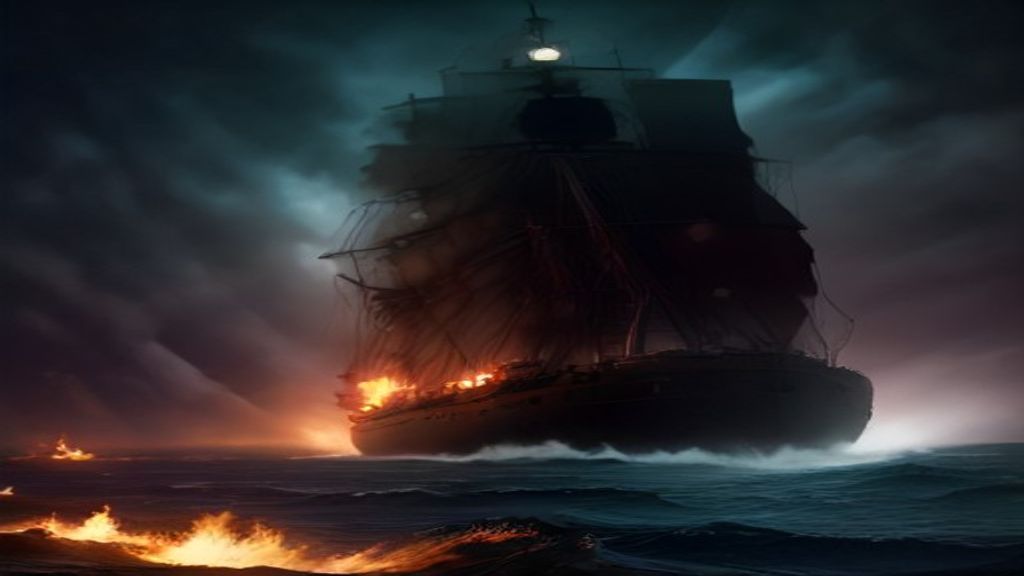
Before even escaping European waters, rumors spread that Japanese torpedo boats were hiding in the North Sea. High-strung Russian lookouts spotted silhouettes in the dense fog off Dogger Bank and opened fire with heavy naval artillery.
They were not Japanese warships. They were a fleet of peaceful English civilian fishing trawlers.
During twenty minutes of absolute chaos, Russian battleships sank a fishing vessel, killed two British fishermen, and managed to shell their own cruisers in the confusion. Britain was so outraged by the blunder that the Royal Navy shadowed the Russian fleet down the Atlantic coast, hovering on the brink of war.
Things only grew weirder as the fleet pushed south around the tip of Africa. Denied access to Suez Canal shortcuts, the ships spent months baking in 120-degree heat off Madagascar, waiting for coal supplies.
To pass the time, sailors transformed their warships into tropical menageries. Crews bought thousands of local animals, filling steel battle decks with monkeys, parrots, sea turtles, and venomous snakes. One officer was bitten by a newly adopted pet viper, while officers routinely hurled binoculars overboard in wild fits of rage.
Leading the comedy of errors was the supply ship Kamchatka. The vessel gained legendary status for firing live artillery shells into a neutral ocean liner by accident and repeatedly firing panicky night flares at flying fish.
Modern history fans still debate whether the fleet’s commander was a cartoonishly bad officer or simply a man handed an impossible task by a delusional autocrat. One popular commentator noted that the voyage plays out like a comedy movie script, while another argued it exposed the total decay of late Imperial Russia long before the 1917 revolution.
When the exhausted, barnacle-encrusted fleet finally reached the Tsushima Strait in May 1905, the modernized Japanese navy was waiting. In a devastating two-day battle, Russia lost 21 ships and over 4,000 men in one of the most one-sided naval massacres ever recorded.
On this week's podcast episode, the hosts dig into the bizarre daily life aboard the doomed fleet and unpack how panic nearly triggered World War I ten years early.