Blocked by Visa Bans and Civil War: Inside the Medical Student's Career Crisis
Blocked by Visa Bans and Civil War: Inside the Medical Student's Career Crisis · Avonetics
 Kids Headphones Wired for School
85dB/94dB volume-limiting of these kids headphones for school travel is adjustable for different environments (85dB for study mode, 94dB for travel mode), ensures safe listening le…
See it →
Kids Headphones Wired for School
85dB/94dB volume-limiting of these kids headphones for school travel is adjustable for different environments (85dB for study mode, 94dB for travel mode), ensures safe listening le…
See it →
A final-year medical student in Eastern Europe is facing an extraordinary crossroads. Originally from a nation currently locked in a devastating civil war, the aspiring surgeon has hit a legal dead end. The host country where they completed their medical degree restricts specialty residency positions strictly to citizens. Meanwhile, international options have systematically evaporated: the United States has enacted strict visa bans, European Union recognition remains out of reach, and the United Kingdom demands a grueling five-year waiting period just to qualify for application pool consideration.
For a student dedicated exclusively to surgery, the prospect of working as a general practitioner or sitting idle for half a decade is unbearable. The student has turned toward non-clinical alternatives, including pharmaceutical development, clinical research, and academic medical teaching. Yet, colleagues and mentors continue to warn that leaving direct patient care will lead to lifelong professional regret.
 Read nextMedical Residents Are Screaming Into the Void About a Training System That Won't Change
Healthcare observers are sharply divided on the dilemma. One industry observer noted that telling someone they will regret leaving clinical practice ignores the brutal geopolitical realities foreign students face. They emphasized that working in pharmaceutical innovation or medical research is not 'leaving' medicine, but rather redirecting clinical knowledge where systemic barriers cannot block it. Conversely, others insist that those determined to practice medicine must take whatever path is available, arguing that alternative avenues like Australia's medical council pathway remain worth pursuing despite the delay.
The pressure on emerging healthcare leaders is not confined to medical schools. In a parallel struggle within emergency medical services, a newly appointed Paramedic Supervisor overseeing a regional ambulance base recently returned from a mandatory corporate leadership retreat to find workplace drama waiting in their inbox.
 Blink Outdoor 4
Outdoor 4 is our fourth-generation wireless smart security camera with up to two-year battery life for around-the-clock peace of mind.. See and speak from the Blink app — Experienc…
See it →
Blink Outdoor 4
Outdoor 4 is our fourth-generation wireless smart security camera with up to two-year battery life for around-the-clock peace of mind.. See and speak from the Blink app — Experienc…
See it →
While the supervisor was out of state, two peer supervisors of equal rank were brought in to cover Advanced Life Support operations. Upon returning, an email from a base EMT alerted the new supervisor that the covering bosses spent the week critiquing the operation, bad-mouthing leadership to staff, and attempting to coordinate administrative changes with upper management behind closed doors.
Management analysts point out that transition periods in emergency services are notoriously volatile. While some advise the new supervisor to document the incident and protect their base staff from lateral interference, others warn against taking entry-level staff reports at face value without verified operational proof.
On the latest episode of Code Red, our hosts break down these high-stakes sagas, debating whether systemic exit strategies are a sign of wisdom or surrender.
 Wired Headphones with Microphone for School
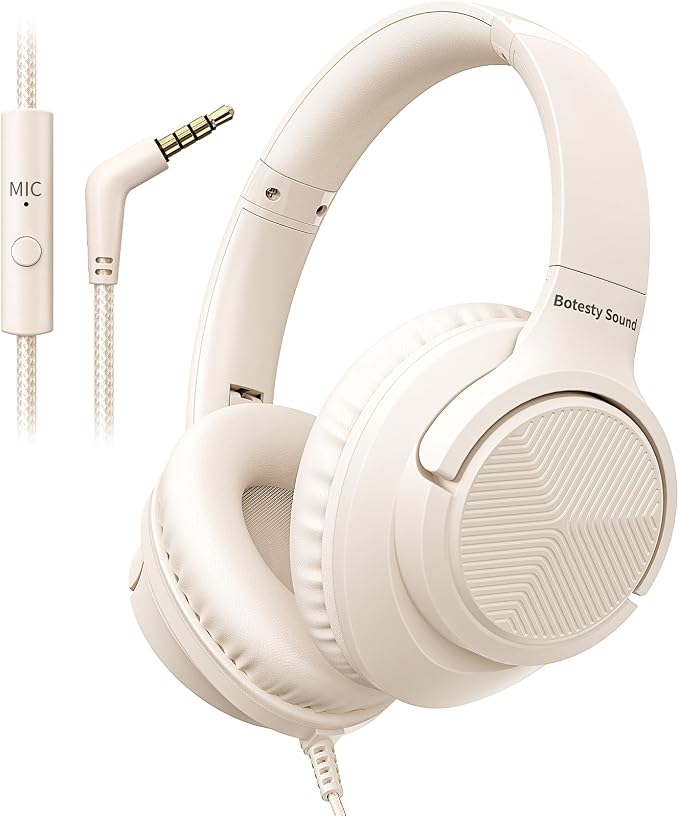
The wired headphones with a built-in mic for clear, hands-free calls, online learning and music listening. Positioned on the cable for clear, high-quality sound, even in noisy envi…
See it →
Wired Headphones with Microphone for School
The wired headphones with a built-in mic for clear, hands-free calls, online learning and music listening. Positioned on the cable for clear, high-quality sound, even in noisy envi…
See it →