Beyond the Firestorm: Why Sci-Fi's Quietest Apocalypses and Drowning Worlds Are Captivating Fans
Beyond the Firestorm: Why Sci-Fi's Quietest Apocalypses and Drowning Worlds Are Captivating Fans · Avonetics
 2pcs Cheese Squishy Slow Rising
Cheese Squishy's Cube Side Length: 2.4 Inch (6 cm),this size is perfect for squeezing in the palm of your hand.Weight:about 100g.. 【High-quality Safe Materials】Made of non-toxic an…
See it →
2pcs Cheese Squishy Slow Rising
Cheese Squishy's Cube Side Length: 2.4 Inch (6 cm),this size is perfect for squeezing in the palm of your hand.Weight:about 100g.. 【High-quality Safe Materials】Made of non-toxic an…
See it →
For decades, mainstream apocalyptic fiction has relied on the same explosive formula: soaring fireballs, crumbling monuments, and muscular heroes battling through chaotic city streets. But a growing movement within speculative fiction is turning its back on the loud end of the world in favor of something far more unsettling—silence.
Author C.A. Fletcher has struck a powerful chord with readers in his latest release, The Two of Us At The End Of The World. Jumping between two timelines—11 years and 201 years after a catastrophic Event—the narrative follows Cat, a young woman, Mouse, a young man six years her junior, and their loyal canine companion. Rather than relying on constant Hollywood-style peril, the story crafts a lonely, John Wyndham-esque landscape where nature slowly reclaims human concrete and asphalt over two centuries.
 Read nextMind-Bending Mystery: Are Book Redactions Changing Reality?
What makes this vision of the end times so arresting is its refusal to grant humanity a triumphant comeback. Instead, the characters are forced to examine the true essence of family, love, and survival in a world where humanity overall may not have a bright future ahead. One reader observed that this quiet, melancholic approach feels vastly more realistic and emotionally resonant than action-heavy blockbusters, forcing readers to sit with the true weight of solitude.
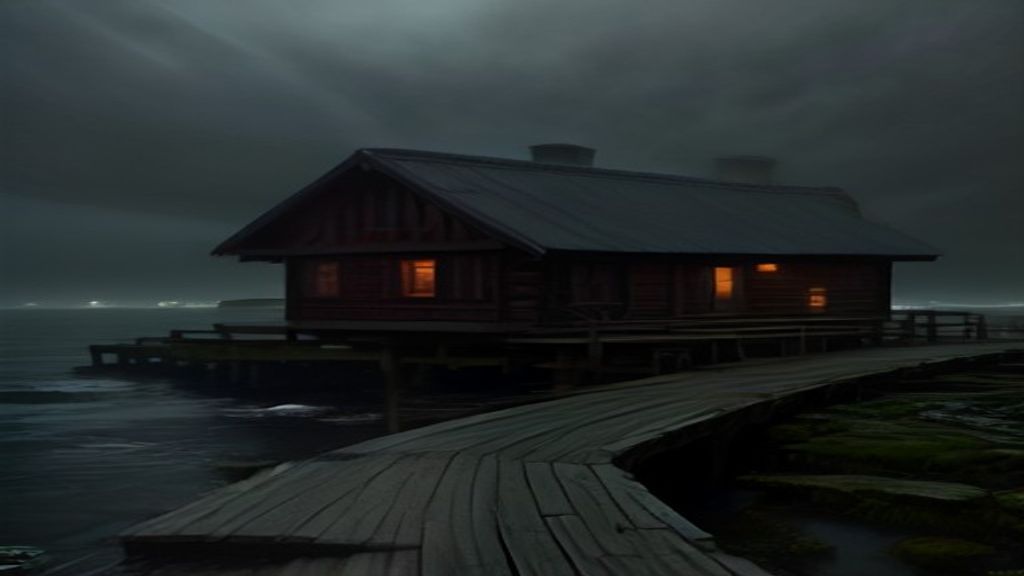
This shift toward quiet, high-immersion storytelling extends beyond Earthbound post-apocalyptic settings and into exotic, far-future worldbuilding. Genre fans are drawing vivid parallels to Michael Swanwick’s Nebula Award-winning classic, Stations of the Tide. Set on the ocean planet of Miranda, the book drops readers directly into the Tidewaters—a murky world of barnacle-covered wooden sidewalks, suffocating humidity, and flooded settlements—without offering a single paragraph of hand-holding exposition.
Blending the cryptic depth of Gene Wolfe with the uncompromising immersion of Glen Cook, Swanwick requires his audience to engage in an active reading experience. Readers must assemble the context themselves from dynamic dialogue and rich environmental clues. Another commenter noted that this demanding style treats the audience like intelligent collaborators rather than passive observers, creating an incomparable sense of place and mystery.
 Furvana U-Shaped Cat Plush Pillow
U-shaped neck pillow featuring an adorable cat design with brown and yellow patches, perfect for travel comfort and neck support. MATERIAL: Soft plush fabric exterior with premium…
See it →
Furvana U-Shaped Cat Plush Pillow
U-shaped neck pillow featuring an adorable cat design with brown and yellow patches, perfect for travel comfort and neck support. MATERIAL: Soft plush fabric exterior with premium…
See it →
However, not everyone in the speculative fiction community is sold on these slow-burn, unhandheld narratives. Critics argue that stories lacking hopeful outcomes can leave readers feeling drained, questioning the emotional stakes if humanity's doom is already sealed. Others warn that dropping audiences into intricate foreign worlds with zero explanation can create a frustrating barrier, mistaking opacity for depth.
Despite the controversy, the appetite for challenging, highly atmospheric science fiction continues to grow. Whether wading through the damp, barnacle-crusted alleys of Miranda or walking through silent, moss-grown cities two centuries after humanity's fall, readers are discovering that the most profound stories are often found where the noise stops.
The hosts on this week's episode of Hyperdrive break down both of these phenomenal sci-fi sagas and debate whether quiet end-times make for better storytelling.