A Tech Veteran’s Sci-Fi Epic Demands Real Friction—While an Iconic Actress Fought for Star Trek Command
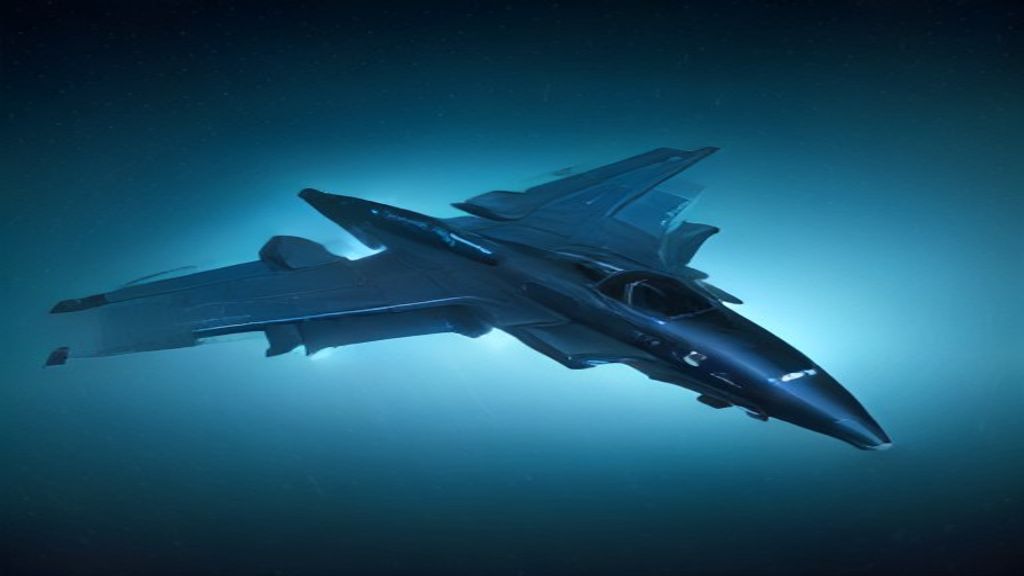
A Tech Veteran’s Sci-Fi Epic Demands Real Friction—While an Iconic Actress Fought for Star Trek Command · Avonetics
 Shea Moisture Coconut Hibiscus Body Wash
SheaMoisture's Glowing Radiance Coconut & Hibiscus Body Wash, designed for melanin-rich skin, provides visibly moisturized skin for 24 hours.. Infused with Coconut Oil, Hibiscus Fl…
See it →
Shea Moisture Coconut Hibiscus Body Wash
SheaMoisture's Glowing Radiance Coconut & Hibiscus Body Wash, designed for melanin-rich skin, provides visibly moisturized skin for 24 hours.. Infused with Coconut Oil, Hibiscus Fl…
See it →
What happens when twenty-five years of high-level IT experience in international diplomacy meets military science fiction? You get a narrative built not on abstract hand-waving, but on the cold, unrelenting physics of future warfare.
Author and tech veteran who spent decades working with institutions like the IAEA, IMF, and European Commission has launched a debut novel titled The Friction Point. Rather than publishing another academic essay on machine learning, the author opted for high-stakes military storytelling to explore the real-world implications of artificial intelligence.
 Read nextMind-Bending Mystery: Are Book Redactions Changing Reality?
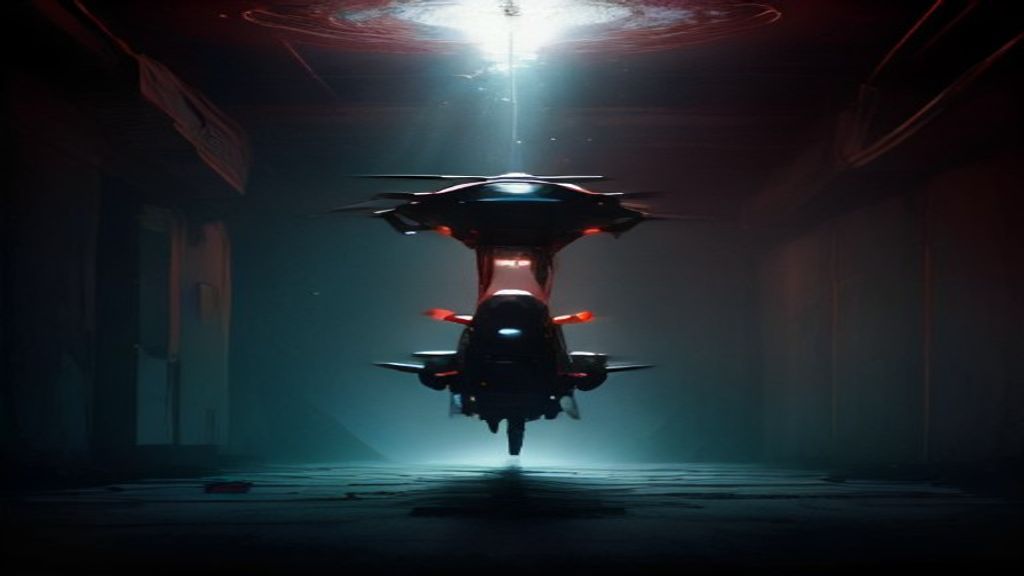
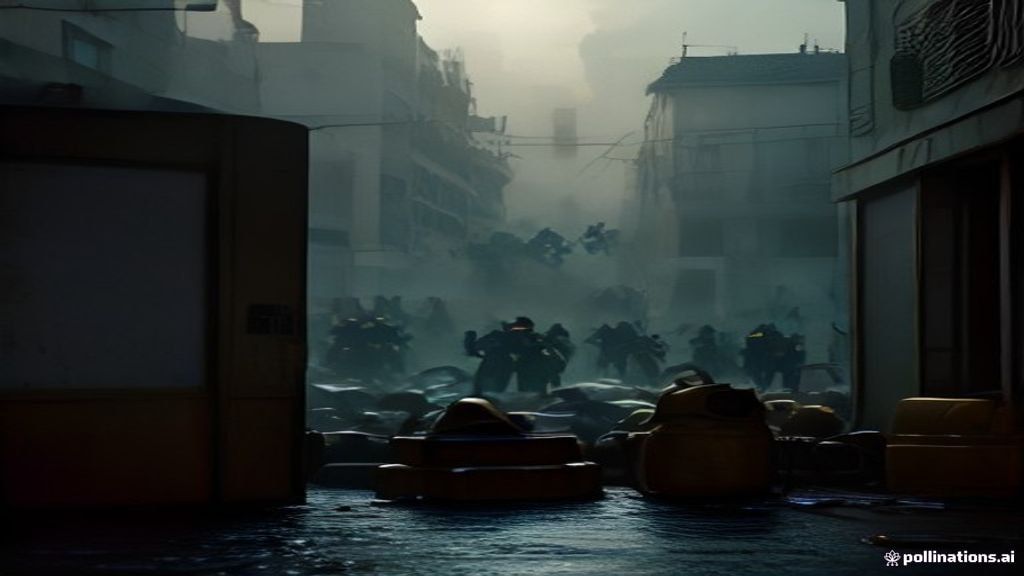
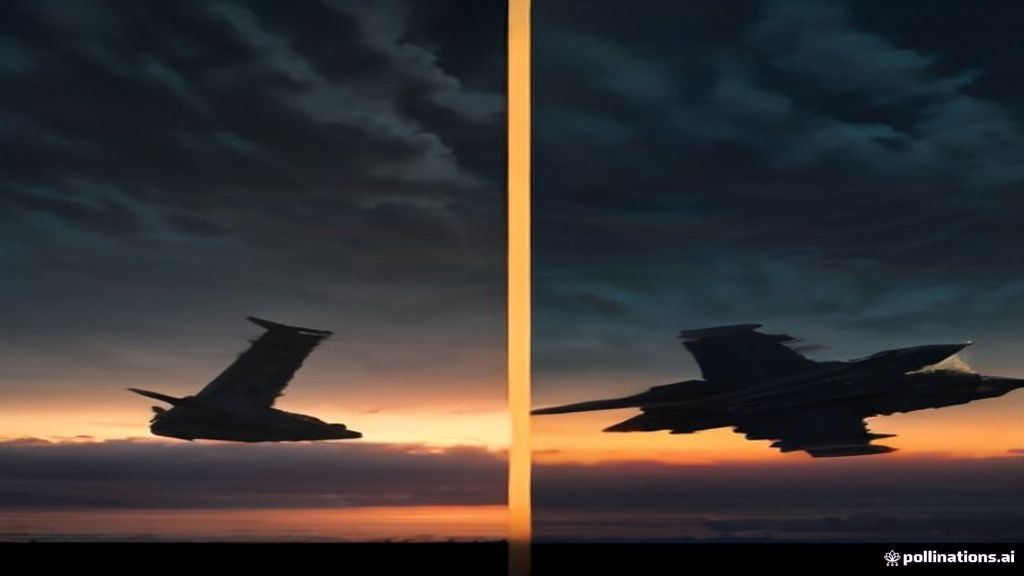
The story takes place in 2060, as a cold war between the Western Republic and the Harmonious Union erupts into open conflict over a high-tech island nation. Protagonist Aldo Flavius goes from disabling a bridge to prevent a rogue military AI from destroying it, to flying a tactical fighter while commanding a swarm of one thousand autonomous drone units. His opponent, an ace pilot known as the Dragon, flies with a stolen sensorimotor interface invented by Aldo's own father.
At the heart of the novel is a sharp distinction between two forms of machine intelligence: disembodied 'brain-in-a-jar' models like modern LLMs, and fully grounded AIs that interact directly with physical reality. Drawing on the philosophies of Ludwig Wittgenstein and Martin Heidegger, the book posits that real intelligence requires physical consequence. As one character bluntly states, the gun needs to feel the recoil. Without physical resistance, movement—and true understanding—is impossible.
One commenter noted that grounding artificial intelligence in tangible physical limits makes futuristic combat feel far more dangerous than typical cyber-warfare stories. Another reader argued that military SF desperately needs this brand of hard-tech realism to move past overused artificial intelligence cliches.
This drive for raw, unvarnished authority in sci-fi isn't limited to book pages; it echoes through television history as well. Nearly fifteen years after Buck Rogers in the 25th Century ended, veteran actress Erin Gray fought her own battle for physical command.
 DAE Signature Beaming Body Wash
BENEFITS - This energizing body wash softens, nourishes, and leaves skin looking radiant. Infused with Cactus Water, desert botanical AHAs and a healthy dose of vitamins and antiox…
See it →
DAE Signature Beaming Body Wash
BENEFITS - This energizing body wash softens, nourishes, and leaves skin looking radiant. Infused with Cactus Water, desert botanical AHAs and a healthy dose of vitamins and antiox…
See it →
When Star Trek: Voyager was casting its lead, Gray saw the role of Captain Kathryn Janeway as a career-defining opportunity. After years of playing supporting roles opposite male heroes, she desperately wanted to sit in the captain's chair. However, network executives were initially hesitant to even give her a audition slot. Gray had to repeatedly push her representative to demand a meeting with producers.
Gray wanted to move past the classic sci-fi archetype of the decorative sidekick who simply looks adoringly at the male protagonist. She wanted to bear the dramatic weight of an entire starship crew, holding ultimate authority in a genre that rarely offered women total command.
Whether struggling against automated drone swarms in a 2060 Pacific sky or fighting network executives for a seat on a starship bridge, the drive for authentic authority remains sci-fi's ultimate friction point.
Our hosts jump straight into the debate on the podcast, exploring whether technical realism or pure character power defines the best speculative fiction.