A Father's Sudden Death, Black Birds Circling, and the Desperate Search for Signs From the Afterlife
A Father's Sudden Death, Black Birds Circling, and the Desperate Search for Signs From the Afterlife · Avonetics
A sudden death at fifty-four leaves a family shattered, a non-religious child terrified, and a sky filled with dark birds circling a suburban rooftop. What happens when overwhelming grief collides with centuries-old theological boundaries? A heart-wrenching real-life story is sparking an intense public debate over loss, omens, and whether the living can ever truly communicate with the dead.
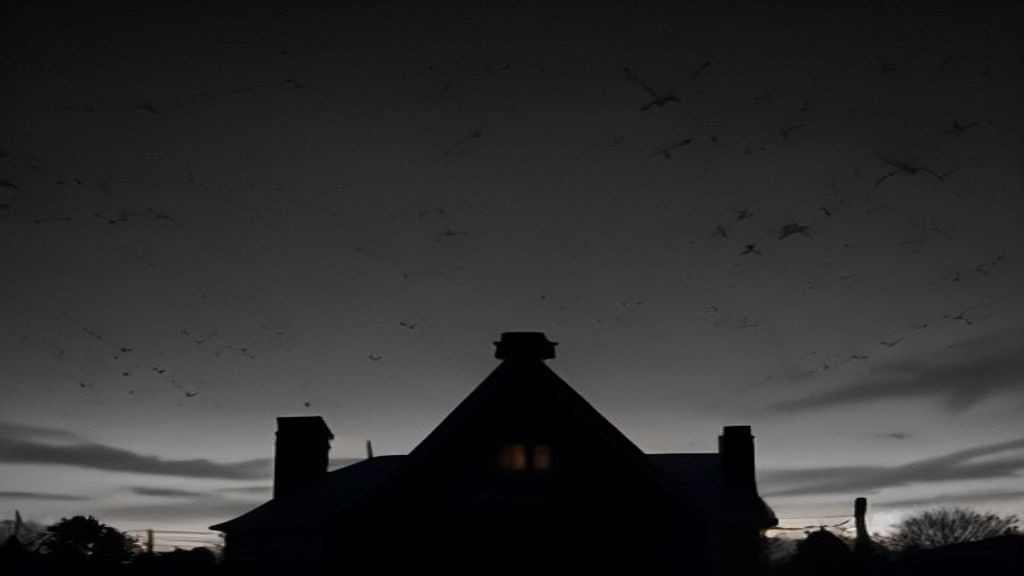
It begins in the intensive care unit of a local hospital. A father, healthy and vibrant just twenty-four hours earlier, succumbs to a sudden illness. For his adult children, the shock is immediate and paralyzing. But as he lay dying in the ICU, something unusual happens at the family home. A flock of black birds, of a species never before seen in the neighborhood, begins circling the roof in endless, tight formation.
 Read nextFrom $7 to $35: The Inflation Frustrating Muslim Shoppers Worldwide
For the father, a devout and practicing Muslim, his journey in this world ends. For his child, who admits to living a lax, non-religious lifestyle despite the father's lifelong guidance, an existential nightmare begins. Overwhelmed by grief and a sudden terror about their own spiritual standing, the grieving child begins pleading for a sign—any sign—that their father is at peace in the afterlife. But as the nights pass, the sky remains quiet, and sleep brings no dreams of the departed father.
The agonizing silence prompts an urgent inquiry: Is it permissible in Islamic tradition to ask God for a sign from a deceased loved one, or does hunting for omens lead down a dangerous path of superstition?
The public response splits sharply into two passionate camps, reflecting the delicate tension between emotional healing and strict orthodoxy.
On one side, many argue that yearning for reassurance is a natural, mercy-filled part of human mourning. One observer notes that even Prophet Abraham in sacred scripture asked God to show him how the dead are brought to life—not out of doubt, but to bring tranquility to his searching heart. Others point to traditional teachings indicating that the deceased retain an awareness of their graves, recognizing loved ones who visit and returning their greetings of peace across the veil.
For many who have lost parents, vivid dreams have served as powerful turning points. One commenter shares how, years after losing their father, a profound dream revealed the exact circumstances of his passing and filled their heart with an unshakeable sense of peace. Another speaks of a grandfather appearing in a dream with a stern, urgent instruction to read sacred scripture—a warning that transformed the grandchild's religious commitment forever. In this view, asking God for comfort is not a sin, but a vulnerable prayer for grace.
However, a strict theological counter-wave warns that grief can blind believers to dangerous spiritual errors. Multiple community members point out that drawing meaning from birds circling a house mirrors pre-Islamic superstitious practices known as tatayyur, which were explicitly banned. In classic Islamic theology, the deceased enter a realm known as Barzakh—a barrier world from which they possess no power to send signs or govern physical events.
"There are no signs from the dead," warns one commenter bluntly, pointing out that when grief leaves a person emotionally vulnerable, bad actors or spiritual deception can easily exploit that weakness. Critics stress that obsessing over omens historically led ancient cultures toward grave veneration and ancestor worship, turning grief into misplaced devotion.
Instead of searching the skies for birds or waiting on dreams, theologians advise channeling raw emotion into tangible, authentic actions. In Islamic tradition, three things continue to benefit a person after death: ongoing charitable gifts, beneficial knowledge left behind, and the prayers of a righteous child.
For a grieving son or daughter, the most powerful connection to a late father is not a cryptic sign, but personal reformation—turning back to prayer and offering continuous supplication for his soul.
Can seeking a sign bring genuine spiritual healing, or does it risk pulling a grieving heart into superstition? The hosts on Deen Uncut take on this emotional theological showdown in their latest episode.