The Dark Side of Tahajjud: When Unanswered Dua and Toxic Love Lead to Faith Burnout
The Dark Side of Tahajjud: When Unanswered Dua and Toxic Love Lead to Faith Burnout · Avonetics
 Kids Headphones Wired for School
85dB/94dB volume-limiting of these kids headphones for school travel is adjustable for different environments (85dB for study mode, 94dB for travel mode), ensures safe listening le…
See it →
Kids Headphones Wired for School
85dB/94dB volume-limiting of these kids headphones for school travel is adjustable for different environments (85dB for study mode, 94dB for travel mode), ensures safe listening le…
See it →
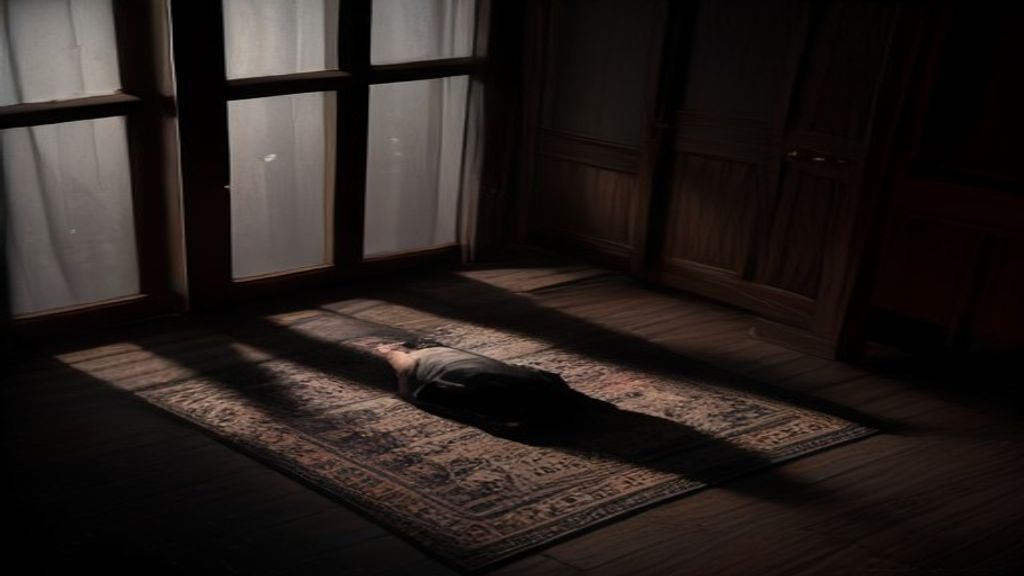
Standing in night prayer during the quietest hours before dawn is widely regarded as the pinnacle of Islamic spirituality. Known as Tahajjud, this voluntary vigil is taught as a sanctuary—a time when the heavens open and personal pleas are answered. But for a growing number of believers, the midnight prayer mat has transformed into a battlefield of heartbreak and faith burnout.
A compelling emotional crisis has emerged among young worshipers who find themselves begging for partners who consistently disrespect and hurt them. One individual shared the agonizing experience of weeping in prostration night after night, asking why prayers for a specific love remain unanswered despite pouring out more emotion for that person than for their own well-being.
 Read nextFrom $7 to $35: The Inflation Frustrating Muslim Shoppers Worldwide
The dynamic, observers point out, closely mirrors psychological trauma bonding. When a relationship is toxic, the intense highs and lows can create an obsessive loop. Bringing that attachment to the prayer mat can weaponize worship against the worshiper's own mental health.
Community reactions highlight a sharp divide on how to navigate this spiritual deadlock.
One commenter noted that intense love does not equate to divine compatibility. They argued that praying endlessly for a person who inflicts pain keeps the believer trapped in emotional addiction. In their view, true spiritual maturity requires shifting one's prayers toward asking for strength to walk away, rather than begging for a situation to magically change.
Another perspective rooted in classical Islamic theology suggested that emotional torment arises when human love eclipses divine devotion. According to this view, the highest peace is found when God is loved above all else, whereas demanding a specific outcome from the Almighty turns prayer into a tool for self-will rather than submission.
 Sony WH-1000XM5 headphones
Whether you work in a noisy office or travel often, Sony WH-1000XM5 headphones deliver outstanding noise cancellation and exceptional comfort. They are ideal for anyone who wants to stay focused or enjoy rich, detailed audio anywhere. Check out the link in the episode description.
Learn more →
Sony WH-1000XM5 headphones
Whether you work in a noisy office or travel often, Sony WH-1000XM5 headphones deliver outstanding noise cancellation and exceptional comfort. They are ideal for anyone who wants to stay focused or enjoy rich, detailed audio anywhere. Check out the link in the episode description.
Learn more →
On the opposing side, defenders of persistent dua insist that believers must never abandon hope. One commentator argued that desperation in prayer is a sign of deep reliance, quoting sacred traditions that encourage worshipers to maintain high expectations of divine intervention. From this standpoint, giving up on a prayer out of fatigue represents a failure of trust.
This romantic deadlock frequently spills into a broader issue: worship burnout. When prayer is treated as a high-stakes negotiation rather than a source of nourishment, extra acts of devotion begin to feel like an energy drain rather than a recharge.
In foundational texts, night prayer was prescribed to fortify leaders to carry immense burdens, not to cause collapse. Yet when believers approach worship while emotionally battered, adding more acts of devotions can trigger profound spiritual fatigue.
On the latest episode of Deen Uncut, our hosts break down this delicate boundary between spiritual perseverance and emotional self-destruction.
 WONGS BEDDING Black Comforter Set King
Black gold damask bed in a bag king comforter 104" x 90" + 2 pillowcases 20" x 36"+1 Fitted Sheet 78"x 80"+14“+1 Flat Sheet 102x 108"+2 Pillow Shams 20"x 40".. BLACK GOLD DAMASK CO…
See it →
WONGS BEDDING Black Comforter Set King
Black gold damask bed in a bag king comforter 104" x 90" + 2 pillowcases 20" x 36"+1 Fitted Sheet 78"x 80"+14“+1 Flat Sheet 102x 108"+2 Pillow Shams 20"x 40".. BLACK GOLD DAMASK CO…
See it →