150 Untamed Lions, 70 Bloodied Crew Members, and 10 Years of Pure Cinema Madness
150 Untamed Lions, 70 Bloodied Crew Members, and 10 Years of Pure Cinema Madness · Avonetics
Hollywood is no stranger to chaotic movie sets, but no film production in history matches the absolute blood-soaked madness of 1981’s *Roar*.
Conceived by *The Birds* star Tippi Hedren and her director husband Noel Marshall, the project began with a noble intention: create a sweeping adventure film that would promote the protection of endangered big cats. Instead, it became a real-life horror show that nearly destroyed their family and traumatized a film crew for a decade.
 Read nextIndie Director’s $500 Camera Refusal Sparks Fierce Debate Over Gear Elitism
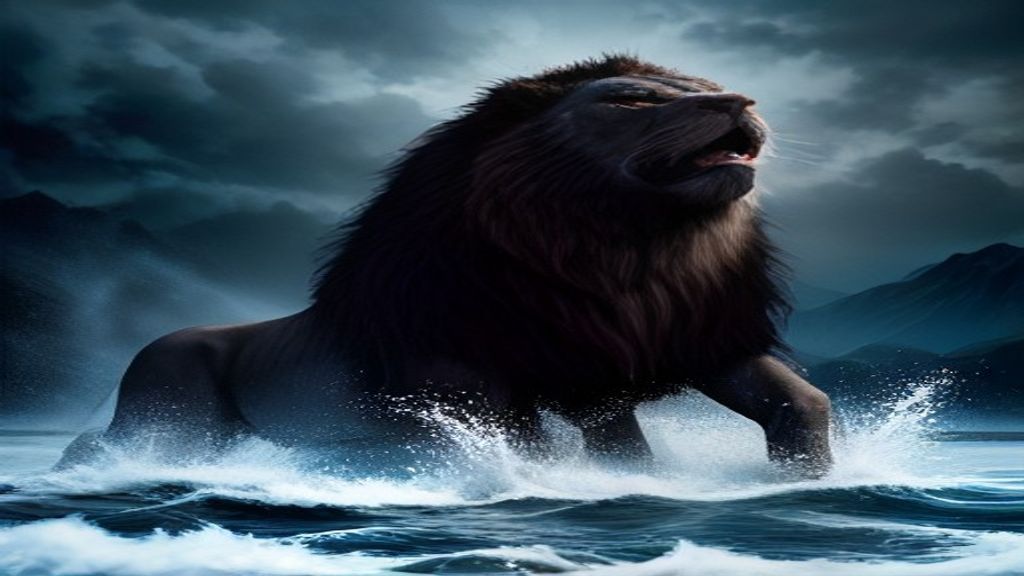
The premise was simple enough on paper. A scientist lives peacefully on an African preserve alongside dozens of free-roaming wild cats. When his family arrives for a surprise visit, chaos ensues. But rather than using trained animals or visual tricks, Marshall and Hedren decided to raise over 150 untamed lions, tigers, leopards, and jaguars on a private ranch in Acton, California, letting them roam free during filming.
What followed was unprecedented physical carnage. Over the course of the grueling 11-year project, more than 70 members of the cast and crew sustained severe injuries.
Cinematographer Jan de Bont was brutally ambushed by a lion, suffering a complete scalp-lock that required 220 stitches to mend. Hedren fractured a leg when thrown by an elephant and later suffered severe bites to her neck that resulted in gangrene. Her daughter, a teenage Melanie Griffith, was mauled so severely by a lioness that she required 50 stitches and emergency facial reconstruction to save her eye. Footage of that precise attack remains in the final edit of the film.
When observers revisit the film today, the overwhelming reaction is utter disbelief that the project was ever completed. One commentary enthusiast notes that watching *Roar* feels less like a narrative movie and more like watching a snuff film where the victims just happen to survive by sheer luck. Another fan described the experience as an unhinged hybrid of a Disney animal adventure and *The Texas Chain Saw Massacre*.
Natural disasters compounded the nightmare. In 1978, a dam failure upstream sent a devastating flash flood through the set, wiping out $3 million in equipment, destroying years of footage, and tragically killing three of the lions. Wildfires and viral feline outbreaks followed, ballooning the budget from $3 million to $17 million. To keep buying thousands of pounds of meat daily, Hedren and Marshall liquidated their family assets and personal art collections.
When *Roar* finally stumbled into theaters in 1981, it was an absolute box office bomb, making less than $2 million worldwide. Yet its legacy lives on as an unbelievable monument to cinema hubris.
Was Noel Marshall an eco-warrior visionary or a criminally reckless director who put his family in mortal danger for a B-movie?
The hosts of Backlot Lore dig into this terrifying slice of movie history, analyzing the archival footage, the jaw-dropping injury list, and the modern cult resurrection of Hollywood's most dangerous disaster on this week's episode.