จากดาชวาที่จัดเมนูถึงความเหลื่อมล้ำในการจ้างงาน: ความจริงของลอดเกาะภูเขา

จากดาชวาที่จัดเมนูถึงความเหลื่อมล้ำในการจ้างงาน: ความจริงของลอดเกาะภูเขา · Avonetics
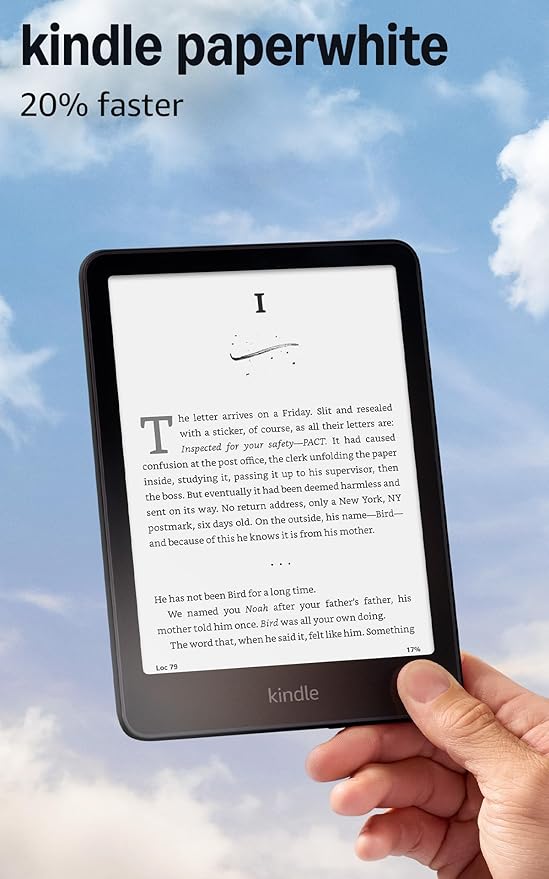 Amazon Kindle Paperwhite 16GB
Our fastest Kindle Paperwhite ever – The next-generation 7“ Paperwhite display has a higher contrast ratio and 25% faster page turns.. Ready for travel – The ultra-thin design has…
See it →
Amazon Kindle Paperwhite 16GB
Our fastest Kindle Paperwhite ever – The next-generation 7“ Paperwhite display has a higher contrast ratio and 25% faster page turns.. Ready for travel – The ultra-thin design has…
See it →
I've been working as a dishwasher and prep cook for three years across various kitchens, and recently I landed a job advertised as "Cook Wanted for Ski Lodge." When I walked into the kitchen I was told I'd be designing both breakfast and dinner menus, managing food inventory, and supervising one other person. The owner initially asked me to cook simple American dishes, and I delivered a full brunch plus baked salmon with vegetables that he praised enthusiastically. This blend of practical execution and unexpected responsibility left me questioning whether my background is enough to meet these elevated expectations. The three-year journey from dishwashing to preparing menus for a winter lodge created an internal tug-of-war inside me. On one hand, I've gained technical proficiency—knife skills, sauce knowledge, stock management—but on the other, the scope of strategic decision-making feels overwhelming. Creating a balanced menu involves forecasting ingredient costs, coordinating with suppliers, planning portion sizes for varying guest counts, and troubleshooting last-minute dietary restrictions. These tasks sit firmly in the realm of kitchen leadership rather than pure manual service. Several online threads have surfaced discussing this exact scenario. One contributor stressed that a position demanding menu creation and inventory control should carry executive compensation, suggesting the advertisement is either misleading or intentionally vague about expectations. They reminded me that "making a menu" isn't just listing recipes—it requires branding, cost analysis, and staff training. Conversely, another voice defended the arrangement from a worker's standpoint. They pointed out the glaring inconsistency: under-18s are legally restricted to leaving early, yet this youngster remained on the floor until mid-morning without age verification in the staff list. When an external inspector visited for a routine visit, the request for rota documentation triggered a fine for the establishment and blamed the head chef. Interestingly, the chef was singled out despite the systemic failure occurring behind the scenes. The implications extend beyond this single case. Many hospitality workers face invisible ladders—they start as cleaners, progress slowly, and often discover their original ambitions couldn't survive the climb. Industry observers suggest that transparent job descriptions, collective bargaining agreements, and regular pay audits could prevent such mismatches. The story also resonates with global trends where restaurant chains prioritize uniformity over individual craftsmanship, leading to burnout and resentment among frontline staff. Ultimately, the episode invites listeners to examine their own trajectories. If you thrive on creative problem-solving and want to prove yourself, taking on greater responsibility can accelerate growth. But if you need stability, predictable advancement, and a living wage commensurate with your skills, this could be a red flag. The key is honest dialogue with employers about what the role truly entails—and knowing when to walk away before compromising your dignity or financial security. As the show brings this story to a close, a soft melodic tune begins to play, signalling the end of this episode's journey and inviting listeners to share their experiences on social media.
 Sony WH-1000XM5 headphones
Whether you work in a noisy office or travel often, Sony WH-1000XM5 headphones deliver outstanding noise cancellation and exceptional comfort. They are ideal for anyone who wants to stay focused or enjoy rich, detailed audio anywhere. Check out the link in the episode description.
Learn more →
Sony WH-1000XM5 headphones
Whether you work in a noisy office or travel often, Sony WH-1000XM5 headphones deliver outstanding noise cancellation and exceptional comfort. They are ideal for anyone who wants to stay focused or enjoy rich, detailed audio anywhere. Check out the link in the episode description.
Learn more →