When a Tiger Looked Right at Me: The Night a Camera Became a Lifeline

When a Tiger Looked Right at Me: The Night a Camera Became a Lifeline · Avonetics
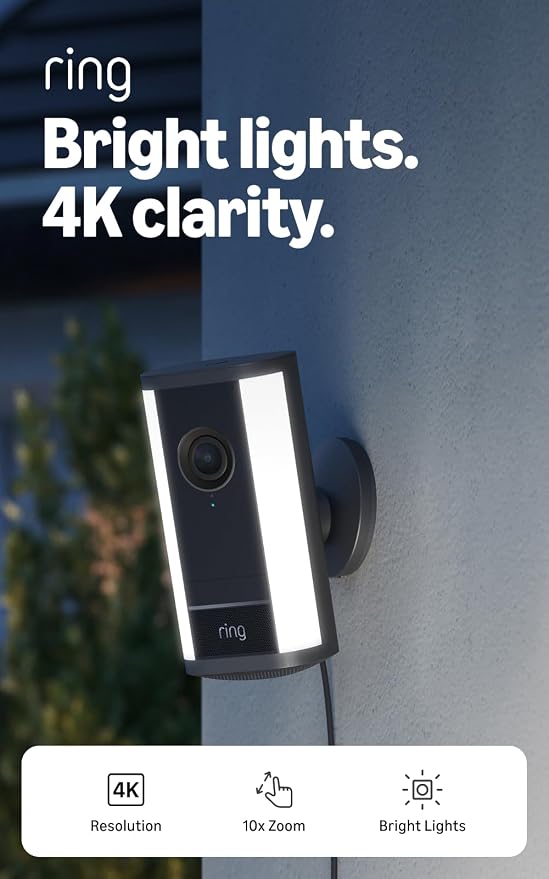 Ring Spotlight Cam Pro
Capture it all with Retinal 4K video — See every detail of your home or business in full view — powered by Retinal 4K. (Video quality may vary based on internet bandwidth and devic…
See it →
Ring Spotlight Cam Pro
Capture it all with Retinal 4K video — See every detail of your home or business in full view — powered by Retinal 4K. (Video quality may vary based on internet bandwidth and devic…
See it →
When Maya Patel set up her camera trap in the pine‑oak forests of Uttarakhand, she expected to capture the occasional deer or a shy leopard. What she didn’t anticipate was a tiger stepping into the frame on a crisp October night.
Patel’s team had placed 15 infrared cameras across 2 square kilometers of dense woodland. Each device recorded at 12 frames per second, capturing the slightest movement in the darkness. At 02:34 on October 12, 2022, the screen lit up with a single amber eye reflecting moonlight. A subadult male tiger, later estimated at 220 pounds, moved methodically toward the metal box. It circled three times, its tail held low—a classic territorial signal, according to some experts. The animal paused just three feet away, sniffing the equipment before vanishing into the underbrush after 27 seconds.
 Read nextSaved From the Brink: Colorado’s Legendary Elk Herd Faces a Deadly New Nightmare
The footage quickly became a talking point among wildlife circles. Dr. Anika Liu, a feline behavior specialist, argued the encounter was a territorial display. She referenced a 2021 study showing that 68% of tiger camera‑trap interactions involved scent marking rather than predation. Liu emphasized the low tail and deliberate pacing as signs of dominance.
Dr. Samuel Osei, however, saw a different story. He cited data from the *Journal of Predator Ecology* indicating that 23% of hunting attempts occur within a 2‑meter radius, and that tigers often assess heat sources before striking. Osei suggested the tiger might have been evaluating the camera’s infrared glow as potential prey movement.
The debate extended beyond academia. Patel’s team followed standard safety protocols, maintaining a 30‑meter distance and working with a local guide. Yet some community members, like hunter Ravi Singh, warned that camera traps could attract predators by creating artificial scent zones. Conservationist Meera Desai urged researchers to adapt guidelines, noting that habituation is a real risk when technology pushes observation boundaries.
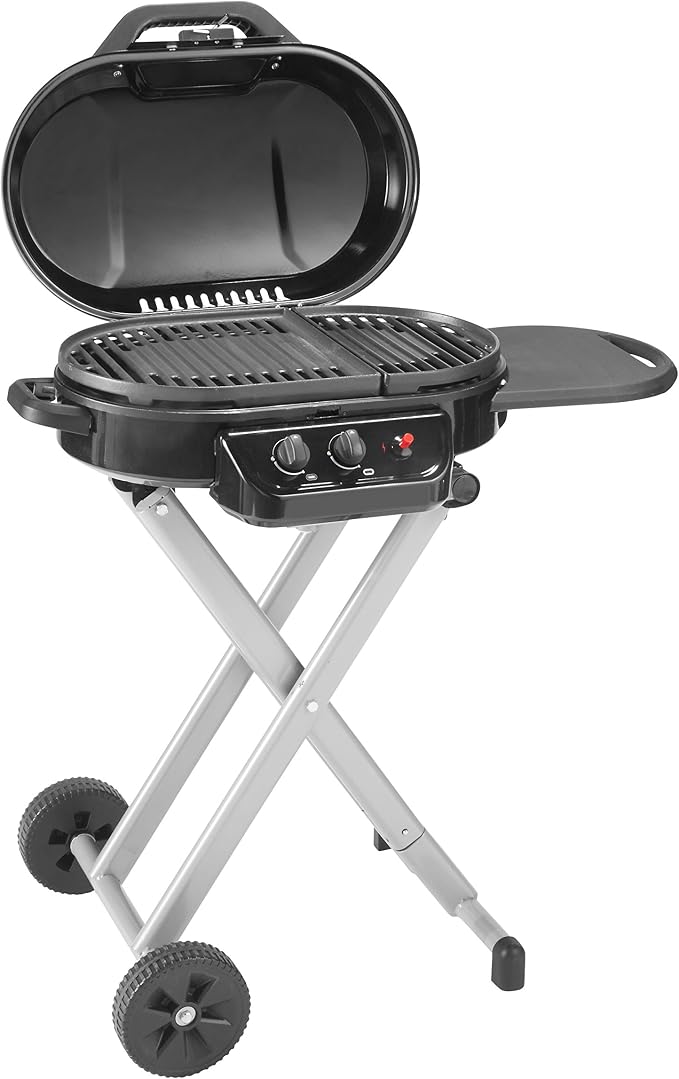 Coleman RoadTrip 225 Portable Propane Grill
The Coleman RoadTrip 225 Propane Gas Grill delivers up to 11,000 BTUs with a pair of adjustable gas grills, ensuring superior control over outdoor grilling.. BBQ ESSENTIAL: With an…
See it →
Coleman RoadTrip 225 Portable Propane Grill
The Coleman RoadTrip 225 Propane Gas Grill delivers up to 11,000 BTUs with a pair of adjustable gas grills, ensuring superior control over outdoor grilling.. BBQ ESSENTIAL: With an…
See it →
Patel’s experience led to immediate changes. The team increased the safe distance to 45 meters for subadult males and revised their equipment checklist to include scent‑neutral materials. The footage was shared with the Wildlife Protection Society, fueling a new campaign on "respectful observation." The video’s viral spread—over 2.3 million views—highlighted both the power of real‑time wildlife documentation and the responsibility that comes with it.
The incident raises key questions. Why did the tiger ignore Patel’s presence but focus on the camera? Does infrared light mimic prey movement? Ongoing GPS collar studies aim to answer these mysteries, tracking tiger movements relative to camera placements.
For anyone drawn to the wild, Patel’s story is a stark reminder: the line between observer and observed can blur in an instant. It’s a lesson in humility, safety, and the urgent need to balance curiosity with conservation.
Join Wild Instinct as we break down this nail‑biting encounter, explore the science, and debate what it means for future wildlife research. Tune in for the full deep analysis and more jaw‑dropping stories from the heart of the wild.
 Sony WH-1000XM5 headphones
Whether you work in a noisy office or travel often, Sony WH-1000XM5 headphones deliver outstanding noise cancellation and exceptional comfort. They are ideal for anyone who wants to stay focused or enjoy rich, detailed audio anywhere. Check out the link in the episode description.
Learn more →
Sony WH-1000XM5 headphones
Whether you work in a noisy office or travel often, Sony WH-1000XM5 headphones deliver outstanding noise cancellation and exceptional comfort. They are ideal for anyone who wants to stay focused or enjoy rich, detailed audio anywhere. Check out the link in the episode description.
Learn more →