Wallet vs. Waistline: Why Backpackers Are Spending Thousands to Avoid Losing Weight
Wallet vs. Waistline: Why Backpackers Are Spending Thousands to Avoid Losing Weight · Avonetics
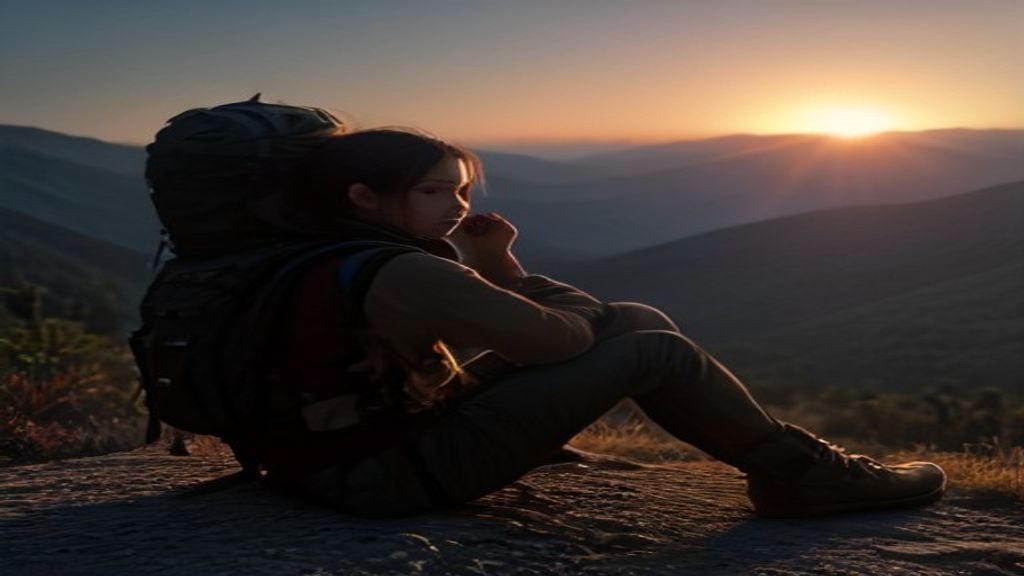
A growing debate is dividing the backpacking community: when your trail pack feels agonizingly heavy, should you open your wallet for ultra-lightweight gear, or should you open a gym membership?
It is a dilemma faced by countless hikers who find themselves struggling on steep ascents. One hiker recently laid out the stark math of modern wilderness prep. Weighing in at 225 pounds with thirty pounds of excess body fat to lose, he realized his current backpacking setup tipped the scales at 34 pounds. To reduce his pack weight by just three pounds using high-end shelters and sleep systems, he was looking at an eye-watering price tag of over $1,400.
 Read nextThe Great Camper Canopy Debate: High-Tension Cables vs Backyard Common Sense
That works out to nearly five hundred dollars per pound saved. Meanwhile, shedding thirty pounds of body fat through nutrition and consistent hiking would cost nothing and improve overall health, yet gear guides routinely ignore body weight in favor of obsessing over trimming ounces off trail gear.
Critics of the ultralight gear obsession were quick to voice their frustration. One experienced trail runner noted that extra body fat remains strapped to your frame twenty-four hours a day, putting constant impact stress on your knees and ankles, whereas a heavy backpack can easily be removed during rest breaks. Another veteran hiker pointed out that maintaining muscle while dropping body fat dramatically improves a person's functional strength-to-weight ratio, making a 34-pound load feel significantly lighter without spending a single dime.
However, defenders of gear upgrades argue that biomechanics tell a different story. Weight carried directly on the spine and shoulders causes acute torque and muscle fatigue that general body fat simply does not duplicate. Furthermore, purchasing a premium sleep system and tent directly enhances sleep quality and trail recovery, allowing hikers to wake up refreshed and physically capable of handling tougher miles.
As if personal weight ratios were not enough to stress over, backcountry enthusiasts are also locking horns over campground etiquette. A secondary debate has erupted over "campsite ghosting"—the practice of holding Forest Service reservations as a backup option when plans are uncertain.
One camper admitted to holding an unused permit in Oregon's Umpqua National Forest, worried that a no-show might flag their account or anger fellow outdoorsmen. While some argue that holding a spot in an empty campground is a victimless luxury as long as the fee is paid, park stewards counter that phantom bookings undermine public access and create ghost campgrounds across national parks.
Our hosts take a firm stand on both of these backcountry dilemmas on this week's episode of the podcast.