'Turn Off the AC!': Landlord Floods Tenant's Apartment, Leaves Water Sitting for 4 Days
'Turn Off the AC!': Landlord Floods Tenant's Apartment, Leaves Water Sitting for 4 Days · Avonetics
 Sunny Health & Fitness Versatile Treadmill
Extreme Incline Decline Range: Challenge yourself with 45% auto incline to -3% decline capabilities that simulate mountain climbs, downhill runs, and varied terrain for maximum cal…
See it →
Sunny Health & Fitness Versatile Treadmill
Extreme Incline Decline Range: Challenge yourself with 45% auto incline to -3% decline capabilities that simulate mountain climbs, downhill runs, and varied terrain for maximum cal…
See it →
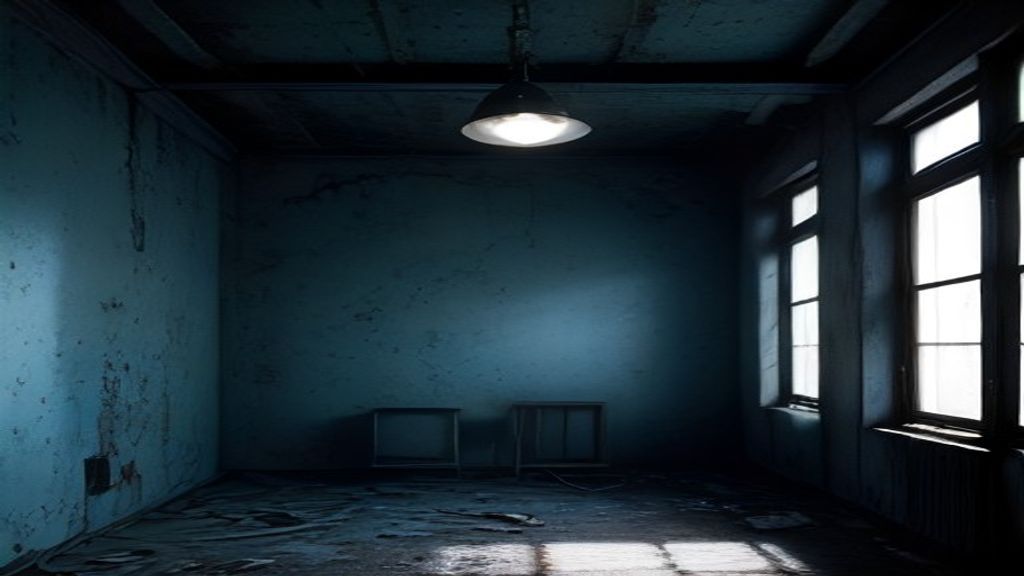
A routine appliance replacement quickly transformed into a high-stakes property disaster for one Georgia tenant, after a landlord's negligence left an apartment severely water-damaged and rotting in triple-digit heat.
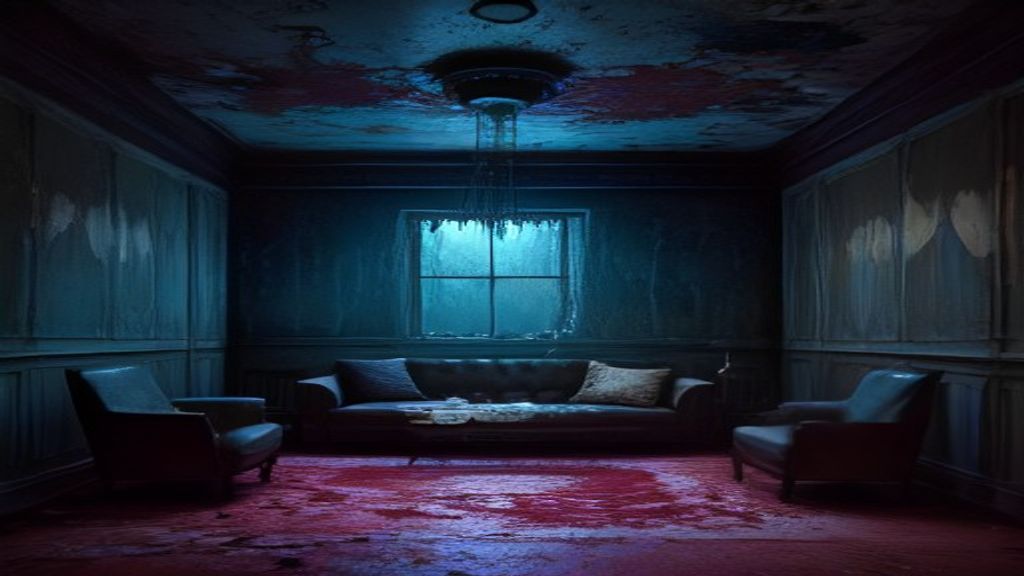
The nightmare began when the landlord installed a new appliance in the unit, left it running unattended, and departed the premises. Within hours, gallons of water spilled across the upper floor, soaking through the subflooring and raining down into the ceiling of the lower room. Paint began bubbling off the walls, drywall softened, and carpets were completely drenched.
 Read nextThe Perfect Move-In Playbook: How to Spend 30 Empty Days in Your New Home
Despite immediate text alerts documenting the paper trail, the landlord returned only to fix the leaking unit—leaving the standing flood untouched. When questioned about mitigation, her initial suggestion was simply to let the carpets 'air dry.' After promising to return the next day with bath towels, the landlord went silent for 72 hours.
When communication finally resumed, the landlord delivered a stunning piece of advice: she instructed the tenant to turn OFF the central air conditioning so the heat would evaporate the water. In Georgia's sweltering summer climate, shutting off climate control creates an ideal incubator for aggressive mold growth, which can infest damp building materials within 24 to 48 hours.
Community observers quickly sounded the alarm over the landlord's dangerous instructions. One housing advocate noted that cooling and dehumidification are vital defenses against spore development, calling the landlord's directive utterly reckless. Others pointed out that Georgia tenancy rules generally grant landlords a 48-hour window to remediate major flooding before tenants can exercise repair-and-deduct rights or issue formal legal cure notices.
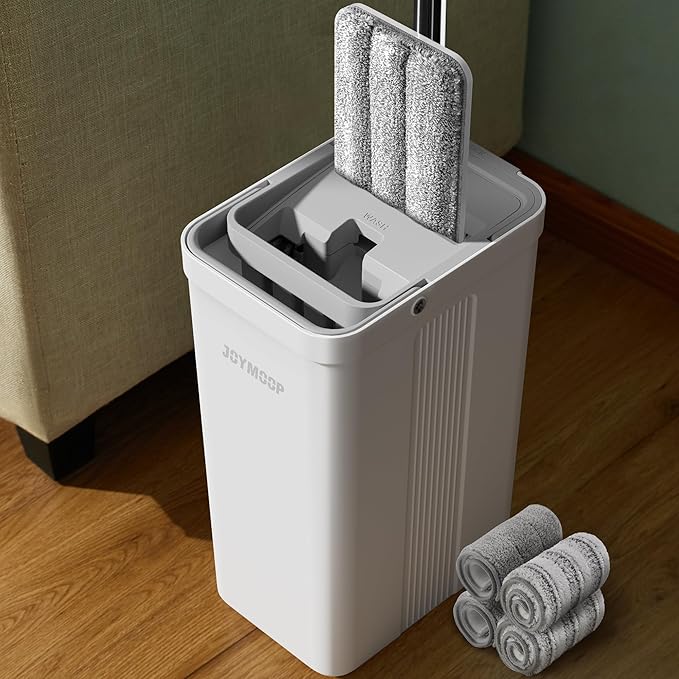 JOYMOOP Flat Mop System
This Flat Squeeze Mop Bucket Set provides a streamlined process for washing and wringing your mop. It’s designed to help you tackle everyday spills and dirt efficiently, making you…
See it →
JOYMOOP Flat Mop System
This Flat Squeeze Mop Bucket Set provides a streamlined process for washing and wringing your mop. It’s designed to help you tackle everyday spills and dirt efficiently, making you…
See it →
However, taking legal action carries distinct risks. Commenters warned that involving municipal housing inspectors could backfire if the city declares the property uninhabitable, effectively forcing an emergency eviction before the tenant gathers enough cash to relocate. Some advised immediate self-help tactics, such as renting commercial carpet extractors, to salvage air quality while preparing an exit strategy.
Frustrated renters facing endless property management failures are increasingly seeking radical alternatives. Many are turning toward staged construction loans, purchasing land plots and funding custom builds progressively to bypass existing real estate market traps entirely.
Our podcast hosts unpack the full legal fallout and debate whether this tenant should call the inspectors or run for the hills on today's episode of Property Line.